
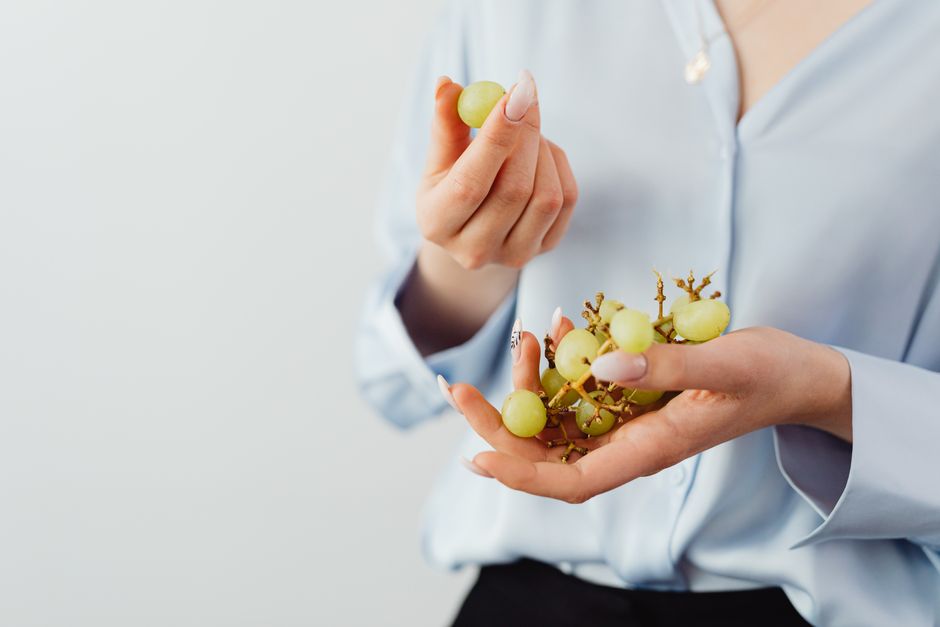
Grapes are one of those fruits that seem to spoil overnight. You buy a beautiful bunch, and three days later they are soft, wrinkled, or growing a fuzzy coat. The good news is that you can keep grapes crisp for two to three weeks with the right storage method. The key is controlling moisture and airflow. For the fridge, keep them unwashed in a perforated container or the original plastic bag with a few holes poked in it. For the freezer, wash, dry, and freeze them in a single layer on a baking sheet before transferring them to a sealed bag. You can also preserve them by making juice, jam, or even dehydrating them into raisins.
Why Do Grapes Spoil So Fast?
Grapes have a thin, delicate skin that offers little protection. They also carry natural yeasts on their surface. When moisture sits on the skin, those yeasts multiply quickly and start fermentation. That is why a damp bunch of grapes turns mushy or smells like wine within days.
Temperature matters too. Grapes are a cold-climate fruit. They respond best to temperatures just above freezing, around 30-32°F. At typical room temperature, they lose moisture fast and begin to break down. The refrigerator slows this process dramatically, but only if you manage humidity correctly.
Another factor is ethylene gas. Grapes are sensitive to ethylene, a natural gas that many fruits and vegetables release as they ripen. Apples, bananas, and tomatoes give off a lot of it. If you store grapes next to these, they will age faster. Keep them away from high-ethylene producers in your fridge.
How To Preserve Grapes In The Fridge
The fridge is the best place for fresh grapes. The goal is to keep them cold, dry, and slightly ventilated. Start by picking through the bunch. Remove any grapes that are bruised, split, or showing signs of mold. One bad grape can ruin the whole bunch because mold spreads quickly.
Do not wash grapes before refrigerating them. Water left on the skin encourages mold and speeds up spoilage. Wash them right before you eat them instead. If you must wash them ahead of time, dry them thoroughly with a clean towel or a salad spinner.
Store grapes unwashed in a container that allows some airflow. A perforated plastic bag or a container with holes works well. The original plastic bag from the store works if you poke several small holes in it. This lets excess moisture escape while keeping humidity high enough to prevent shriveling.
Place the grapes in the crisper drawer. The crisper is designed to hold humidity better than the main shelves. If your crisper has an adjustable vent, set it to the high-humidity setting for grapes. Stored this way, grapes can stay firm and sweet for two to three weeks.
One common mistake is stacking heavy items on top of the grape container. Grapes bruise easily. Bruised areas turn brown and spoil faster. Give them their own space in the drawer.
How To Freeze Grapes For Long-Term Storage
Freezing is the best way to keep grapes for months. Frozen grapes last up to a year in the freezer when stored properly. They do not stay crisp like fresh grapes, but they become a sweet, icy snack that many people enjoy straight from the freezer.
Start by washing the grapes thoroughly under cool running water. Remove them from the stems. Discard any that are soft, split, or damaged. Spread the clean grapes in a single layer on a baking sheet lined with parchment paper. Make sure they are not touching each other.
Place the baking sheet in the freezer for two to three hours, or until the grapes are completely frozen. This step prevents them from clumping together into one solid mass. Once frozen, transfer the grapes to a freezer-safe bag or airtight container. Squeeze out as much air as possible before sealing.
Label the bag with the date. Frozen grapes are best used within 10 to 12 months for quality, though they remain safe to eat beyond that. They do not spoil in the freezer, but they can develop freezer burn if exposed to air, which affects taste and texture.
Frozen grapes have many uses. Eat them straight from the freezer as a cold snack. Use them to chill wine without diluting it. Blend them into smoothies for a thick, frosty texture. You can also thaw them slightly and use them in baking or sauces.





Can You Preserve Grapes By Making Raisins?
Yes, dehydrating grapes turns them into raisins, which last for months at room temperature. The process removes most of the water, leaving a concentrated, sweet product that resists spoilage. You can use a food dehydrator or an oven for this.
Wash the grapes and remove them from the stems. You can leave them whole or cut them in half for faster drying. Some people blanch grapes in boiling water for 30-60 seconds first. This softens the skin and speeds up drying. It is optional but helps.
If using a dehydrator, spread the grapes in a single layer on the trays. Set the temperature to 135°F and dry for 12 to 24 hours. The exact time depends on the size of the grapes and their water content. They are done when they are leathery and no longer sticky to the touch.
If using an oven, set it to the lowest temperature, usually around 150-200°F. Place grapes on a baking sheet lined with parchment paper. Prop the oven door open slightly with a wooden spoon to let moisture escape. Check them every few hours. Oven drying can take 8 to 12 hours.
Store homemade raisins in an airtight container in a cool, dark place. They will keep for several months. Homemade raisins often have a different texture than store-bought ones because commercial raisins are dried with sulfur dioxide to preserve color. Your homemade version may be darker, which is normal.
Making Grape Juice And Jam For Preservation
Juice and jam are traditional ways to preserve grapes that go beyond simple storage. Both methods use heat to kill microorganisms and sugar or acidity to prevent spoilage. They are practical options if you have a large harvest or bought grapes in bulk.
For grape juice, wash the grapes and remove them from the stems. Place them in a large pot with a small amount of water. Heat gently and crush the grapes as they soften. Simmer for about 10 minutes. Strain the mixture through a fine mesh sieve or cheesecloth to remove skins and seeds. Sweeten to taste if desired.
Fresh grape juice lasts only a few days in the refrigerator. To preserve it longer, you must process it in a water bath canner. Pour the hot juice into sterilized jars, leaving headspace, and process according to standard canning guidelines. Properly canned grape juice lasts up to a year in a cool, dark pantry.
Grape jam follows a similar principle. Cook crushed grapes with sugar and pectin until the mixture reaches the gel point. Pour into sterilized jars and process in a water bath. The high sugar content and acidity make jam very shelf-stable. Unopened jars last a year or more.
If canning is new to you, follow a tested recipe from a reliable source. Improper canning can lead to spoiled food or, in rare cases, foodborne illness. Do not guess at processing times. The acidity of grapes is generally sufficient for water bath canning, but the exact recipe matters.
Practical Tips For Longer Grape Life
Beyond the main methods, several small habits extend grape life. Buy grapes that are firm, plump, and firmly attached to green stems. Avoid bunches with brown or brittle stems, which indicate older fruit. Check the bottom of the container for squished or leaking grapes before you buy.
Do not remove grapes from the stem until you are ready to eat them. The stem attachment point is a small wound where moisture escapes and microbes enter. Leaving grapes on the stem keeps them fresher.
If you have a large amount of grapes and no time to process them, consider giving some away or freezing them quickly. Frozen grapes take up less space than fresh ones and are easy to portion out later.
One non-obvious tip: a paper towel in the grape container absorbs excess moisture. Place a dry paper towel at the bottom of the container and replace it every few days if it becomes damp. This simple step can noticeably extend shelf life.
Rotate your stock. When you buy new grapes, use the older ones first. This prevents forgotten grapes from spoiling at the back of the fridge.
Frequently Asked Questions
Should grapes be washed before refrigerating?
No. Washing adds moisture that speeds up mold growth. Wash them right before eating instead.
How long do grapes last in the fridge?
Stored unwashed in a perforated container in the crisper drawer, grapes last two to three weeks.
Can you freeze grapes without them sticking together?
Yes. Freeze them in a single layer on a baking sheet first, then transfer to a sealed bag.
How long do frozen grapes last?
Frozen grapes keep their best quality for 10 to 12 months in a sealed freezer bag.
