
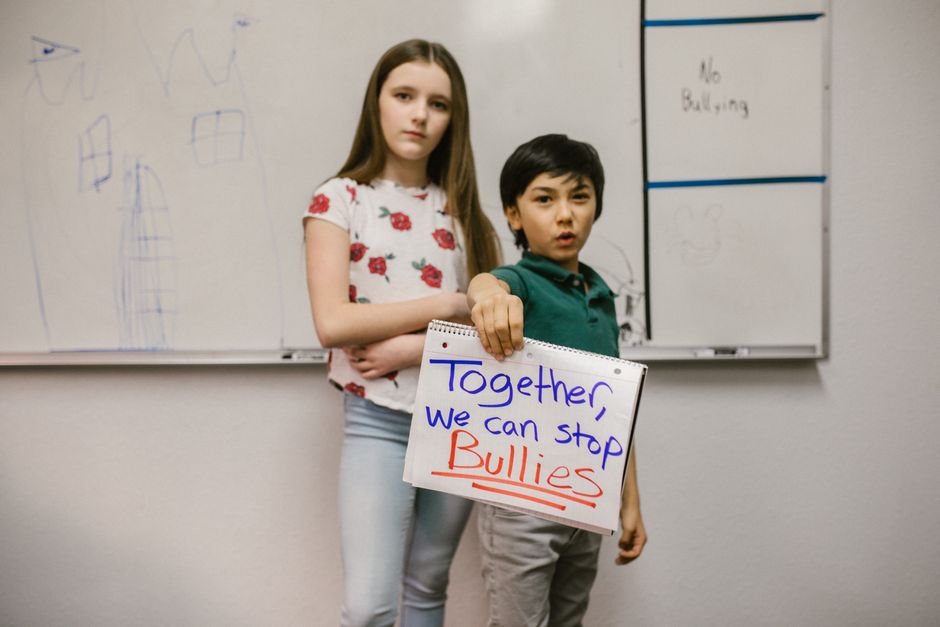
Bullying is a pattern of intentional, repeated aggression where one person has more power than another. To tackle it, start by documenting every incident with dates, times, and details, then report it to a trusted adult or authority figure who can act. The next step is to build a support network of friends and allies, and practice assertive responses that do not escalate the conflict. If the bullying continues, escalate the report to higher authorities like school administrators, HR departments, or law enforcement, and seek professional help for emotional support.
What Exactly Counts as Bullying?
Bullying is not a single mean comment or a one-time argument. It is repeated harmful behavior with a power imbalance. The person bullying has more physical strength, social status, or influence than the target.
There are four main types. Physical bullying includes hitting, pushing, or damaging property. Verbal bullying includes name-calling, insults, and threats. Social bullying involves spreading rumors, excluding someone on purpose, or embarrassing them publicly. Cyberbullying happens through texts, social media, or online platforms.
The CDC reports that about 1 in 5 high school students experienced bullying on school property in 2023. For cyberbullying, the rate was about 16 percent. These numbers are real, not hype.
How To Tackle Bullying When It First Happens
Your first response matters, but not in the way you might think. The old advice to “just ignore it” does not work well. Research published in the Journal of Youth and Adolescence found that ignoring bullies often makes the behavior continue because the bully still gets a reaction from the audience.
A better first step is to stay calm and give a short, firm response. Say something like “Stop that” or “That is not okay” in a neutral voice. Then walk away toward a safe place or a group of people. This denies the bully the emotional reaction they want while keeping you safe.
Do not try to reason with a bully or explain why their behavior hurts you. Bullies are not confused about what they are doing. They are using power. Arguing gives them more power.
What the Research Actually Shows About Effective Strategies
Some studies suggest that school-wide anti-bullying programs reduce bullying by about 20 to 25 percent. That is meaningful, but it also means most programs do not stop bullying entirely. The most effective programs share three features: clear rules against bullying, consistent consequences, and active involvement from teachers and parents.
Research from the University of Nebraska-Lincoln found that bystander intervention is one of the most powerful tools. When a peer steps in to say “That is not cool” or helps the target walk away, bullying stops within seconds more than half the time. The key is teaching bystanders how to act safely, not just telling them to “do something.”
Restorative justice approaches have mixed evidence. Some schools report less repeat bullying after using restorative circles. Other reviews find no clear benefit. As of 2026, the evidence is not strong enough to say this works better than traditional discipline.





How To Tackle Bullying at School: A Step-by-Step Plan
| Step | Action | Why It Matters |
|---|---|---|
| 1 | Document everything | Keep a written record of dates, times, locations, what was said or done, and who witnessed it. Screenshots for cyberbullying. |
| 2 | Tell a trusted adult | This can be a parent, teacher, counselor, or principal. Give them your documentation. |
| 3 | Request a meeting | Ask for a meeting with the adult and the person in charge, like the principal or HR manager. |
| 4 | Follow up in writing | Send a brief email summarizing what was discussed and what was agreed upon. This creates a paper trail. |
| 5 | Check back | After one week, follow up to see if the bullying stopped. If not, escalate to the next authority level. |
This plan works for adults in workplace bullying too. The same steps apply. Documentation is the single most important part. Without it, you have a he-said-she-said situation. With it, you have evidence.
What To Avoid When Dealing With Bullying
- Do not tell the child to fight back physically. Research shows physical retaliation often makes bullying worse and gets the target in trouble too.
- Do not minimize it. Saying “Kids will be kids” or “It builds character” ignores real harm. Bullying is linked to depression, anxiety, and lower academic performance.
- Do not handle it alone. Bullying thrives in secrecy. Involving others breaks the power imbalance.
- Do not confront the bully directly yourself. If you are a parent, do not approach the other child or their family without involving the school. It can escalate into a dangerous situation.
- Do not rely on technology alone. Blocking someone online helps but does not stop in-person bullying. Both need attention.
A common misconception is that bullying is always obvious. Much of it is subtle. Social exclusion, eye-rolling, and whispered comments can be just as damaging as physical aggression. Adults often miss these signs because they happen out of sight.
How To Tackle Bullying in the Digital World
Cyberbullying has unique challenges. It can happen 24 hours a day. The bully can be anonymous. The content can spread to hundreds of people instantly.
The first step is always the same: document. Take screenshots of every message, post, or comment. Do not delete anything. If the platform allows, report the user. Most social media sites have reporting tools for harassment.
Do not respond to cyberbullies. Engagement feeds the behavior. Block the person and adjust your privacy settings to limit who can contact you. Tell a trusted adult immediately.
Some people report that changing their phone number or email address helps when the harassment is relentless. This is a drastic step, but it can be effective. Law enforcement should be involved if the cyberbullying includes threats of violence, sexual content, or repeated harassment that violates laws.
When To Get Professional Help
Bullying causes real psychological harm. The American Academy of Pediatrics states that children who are bullied are at higher risk for depression, anxiety, sleep problems, and suicidal thoughts. These risks are not rare. They are common enough that every parent and teacher should know the warning signs.
Signs that professional help is needed include: changes in eating or sleeping, refusing to go to school, drop in grades, self-harm, talking about hopelessness, or sudden loss of friends. Do not wait for these to go away on their own. They rarely do.
A therapist who specializes in childhood trauma or cognitive behavioral therapy can help. CBT has strong evidence for reducing anxiety and depression related to bullying. School counselors can also provide support, though they are often overworked and may not have time for ongoing therapy.
Frequently Asked Questions
What is the first thing to do when your child is being bullied?
Listen without judgment and thank your child for telling you. Then start documenting the incidents and contact the school or authority the next day.
Does reporting bullying actually make it stop?
It depends on how the authority responds. Reporting works best when you have documentation and follow up in writing to ensure action is taken.
How do I teach my child to stand up to a bully?
Teach them to say “Stop that” in a firm voice and walk away toward a group of people. Role-play this at home so it feels natural.
Can bullying cause long-term mental health problems?
Yes. Research shows that chronic bullying increases the risk of depression, anxiety, and low self-esteem that can last into adulthood.
