
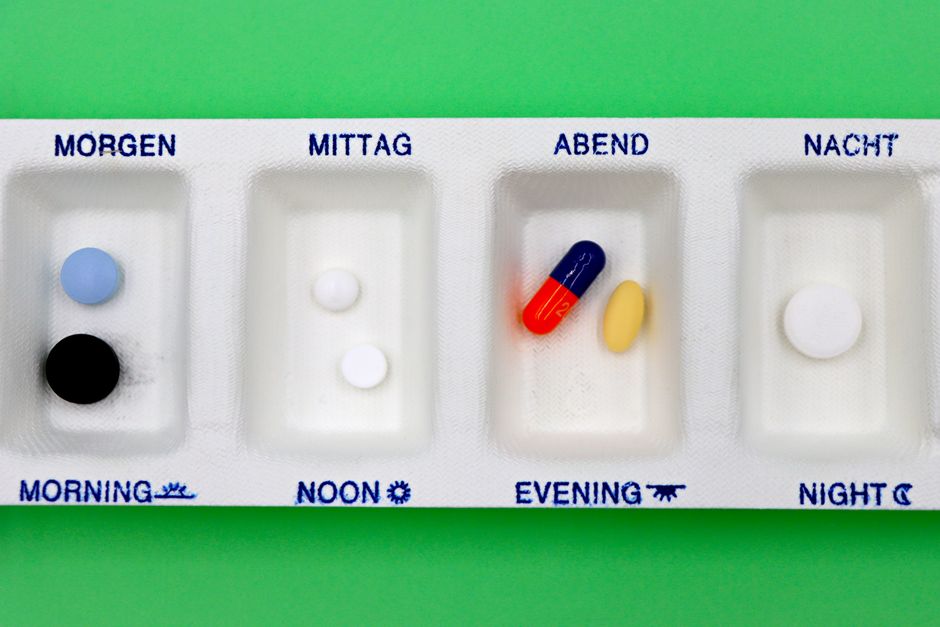
If you take Zoloft at night and want to switch to morning, the safest method is to gradually shift your dose by one to two hours earlier each day over the course of a week. This slow transition helps your body adjust to the new timing while minimizing withdrawal-like symptoms or side effects. The key is patience — a sudden change can cause dizziness, nausea, or sleep disruption. Always check with your prescribing doctor before making any timing change, as individual metabolism and dosage matter.
Why Should You Switch Zoloft From Night To Morning?
Many people start taking Zoloft at night because it can cause drowsiness. But for some, that effect fades after a few weeks. Once the body adjusts, the medication can actually become stimulating for certain individuals.
Taking Zoloft at night may then interfere with sleep. Some people report vivid dreams, restlessness, or trouble falling asleep. Others find that morning dosing fits better with their daily routine and improves their energy during the day.
There is no medical rule that says Zoloft must be taken at a specific time. The right timing depends on how your body responds. If you suspect your sleep quality has changed since starting Zoloft, a morning switch might help. The National Institute of Mental Health notes that medication timing should be individualized based on patient response.
How To Switch Zoloft From Night To Morning Safely?
The safest method involves a gradual shift of one to two hours earlier each day. Do not skip a dose or double up on medication. Consistency in daily dosing is critical for maintaining stable blood levels of sertraline, which is the active ingredient in Zoloft.
Here is a sample schedule if you usually take Zoloft at 10 PM and want to reach 8 AM:
- Day 1: Take at 9 PM
- Day 2: Take at 8 PM
- Day 3: Take at 7 PM
- Day 4: Take at 6 PM
- Day 5: Take at 5 PM
- Day 6: Take at 4 PM
- Day 7: Take at 3 PM
- Day 8: Take at 2 PM
- Day 9: Take at 1 PM
- Day 10: Take at 12 PM
- Day 11: Take at 11 AM
- Day 12: Take at 10 AM
- Day 13: Take at 9 AM
- Day 14: Take at 8 AM
This two-week schedule is conservative and works well for most people. If you are on a low dose (25 mg or 50 mg), you may be able to move faster — for example, shifting by two to three hours each day. Higher doses (100 mg or more) benefit from a slower approach.
Research published in the Journal of Clinical Psychiatry indicates that sertraline has a half-life of about 24 to 26 hours. This means it stays in your system long enough that a gradual shift does not cause significant drops in blood levels. That is why this method works.
What Does The Research Say About Changing Sertraline Timing?
There are no large-scale clinical trials specifically studying how to switch Zoloft from night to morning. Most of what we know comes from clinical experience and pharmacokinetic data — how the drug moves through the body.
Sertraline has a long half-life compared to many other antidepressants. This slow clearance is actually helpful when changing timing. Because the drug stays active in your system for about a day, small shifts in when you take it do not cause sudden withdrawal or spikes.
The FDA prescribing information for Zoloft states that the medication can be taken in the morning or evening. It does not recommend one over the other. This tells us that timing flexibility is built into the drug’s design.
One study from the Journal of Affective Disorders found that patients who took SSRIs in the morning reported better daytime functioning after the first month. But the same study noted that individual responses varied widely. Some people never adjust to morning dosing and do better at night.




What Side Effects Can Happen During The Switch?
Even with a gradual shift, some people experience temporary side effects. These are usually mild and last a few days. The most common include dizziness, headache, nausea, and fatigue.
Some people report feeling more anxious or irritable during the transition. This happens because your body is adapting to a new peak level timing. Your brain chemistry is stable overall, but the daily rhythm of drug concentration shifts slightly.
Sleep changes are also possible. If you move your dose too quickly into the morning, you might feel drowsy during the day for a short period. This typically resolves within three to five days as your body adjusts.
If side effects are severe or last longer than a week, slow down the transition. Go back to the previous time and wait a few extra days before moving again. Your doctor may also suggest temporarily lowering the dose during the switch, though this is less common.
How To Switch Zoloft From Night To Morning Safely: A Comparison
| Method | Time to Complete | Risk of Side Effects | Best For |
|---|---|---|---|
| Gradual shift (1-2 hours/day) | 10-14 days | Low | Most people, especially on higher doses |
| Faster shift (3-4 hours/day) | 4-7 days | Moderate | Low doses (25-50 mg) with good tolerance |
| Immediate switch (cold change) | 1 day | High | Not recommended for anyone |
The gradual method has the lowest risk and is the most commonly recommended approach by psychiatrists. The faster method works for some people but carries a higher chance of temporary dizziness or nausea. The immediate switch should be avoided entirely.
Common Mistakes When Changing Zoloft Timing
Skipping a dose to reset the clock is a common error. If you miss your night dose and wait until morning to take it, you have gone roughly 12 hours without medication. For some people, this causes withdrawal symptoms like brain zaps, dizziness, or mood changes within 24 hours.
Doubling up on a dose is equally dangerous. Taking two doses close together can increase the risk of serotonin syndrome, a rare but serious condition. Symptoms include rapid heart rate, high blood pressure, confusion, and muscle rigidity. If you accidentally take a double dose, call your doctor or poison control immediately.
Another mistake is changing the timing on the same day you change your dose. If your doctor recently increased or decreased your Zoloft, wait at least one to two weeks before adjusting the timing. Let your body stabilize at the new dose first.
Some people also try to use over-the-counter sleep aids to manage the transition. This can mask how your body is actually responding to the timing change. If you feel you need sleep medication during the switch, talk to your doctor rather than self-treating.
What To Do If The Switch Does Not Work
Not everyone tolerates morning dosing well. Some people find that Zoloft in the morning makes them feel jittery or overly alert. Others report that their anxiety actually increases during the day after a morning dose.
If you try the gradual switch and still feel worse after two weeks, consider going back to night dosing. There is no medical benefit to morning dosing for everyone. The best time is the one that works for you consistently.
Some patients split their dose — taking half in the morning and half at night. This is not standard practice with Zoloft because the tablets are not scored for splitting. However, your doctor may prescribe a lower dose tablet to allow for this approach. It is worth asking if you have tried both morning and night without success.
The American Psychiatric Association emphasizes that adherence to medication matters more than the exact time of day. If night dosing helps you take it every day without fail, stay with night dosing.
Frequently Asked Questions
Can I switch Zoloft from night to morning in one day?
No, switching in one day is not recommended because it can cause withdrawal symptoms and side effects like dizziness and nausea. A gradual shift over one to two weeks is safer.
Will I feel different after switching Zoloft to morning?
Some people feel more energetic during the day, while others may feel drowsy for the first few days. Most side effects resolve within a week as your body adjusts.
Should I tell my doctor before changing Zoloft timing?
Yes, you should always inform your doctor before making any change to how you take your medication. They can offer personalized advice based on your dose and health history.
Can I take Zoloft with food in the morning?
Yes, taking Zoloft with food can reduce nausea, which is a common side effect. A light breakfast or snack is usually enough to help.
