
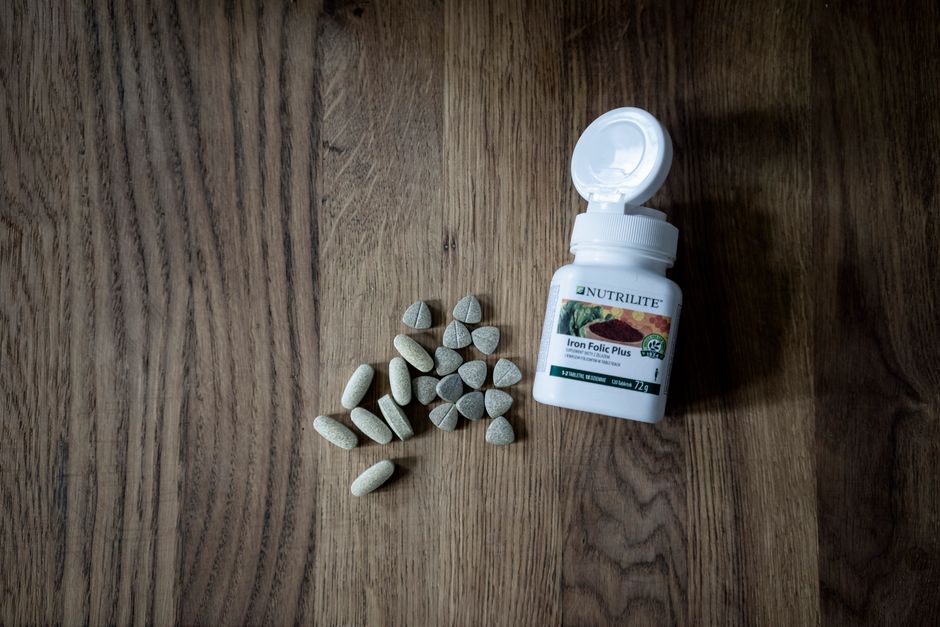
Your liver performs over 500 functions, from filtering toxins out of your blood to producing the bile that helps you digest food. It is also the only internal organ that can fully regenerate itself after injury. There is no single food, supplement, or exercise that “detoxes” your liver. Instead, the things that support it are the same things that support the rest of your body: eating a balanced diet, staying active, limiting alcohol, and managing conditions like obesity and diabetes that put long-term stress on the organ.
That answer is not as exciting as a juice cleanse. It also happens to be what the evidence actually shows. Below is a clear look at what your liver does, what genuinely helps it, and what has no proof behind it.
What Does Your Liver Actually Do?
The liver is a chemical processing plant that runs continuously. Every drop of blood that leaves your stomach and intestines passes through it before reaching the rest of your body.
Its main jobs include:
- Filtering and breaking down toxins, drugs, and alcohol
- Producing bile, which helps you absorb fat and fat-soluble vitamins
- Storing glucose as glycogen and releasing it when your blood sugar drops
- Making proteins your blood needs to clot
- Storing vitamins and minerals, including iron and vitamin B12
- Breaking down old red blood cells and recycling their components
This workload is the reason the liver is vulnerable to so many different problems. Fat accumulation, viral infections, heavy alcohol use, and certain medications can each interfere with how it functions.
What Foods Support Liver Health?
No single food protects the liver. What matters is the overall pattern of what you eat over months and years. The eating pattern with the strongest evidence behind it for liver health is a Mediterranean-style diet — one built around vegetables, fruit, whole grains, legumes, nuts, olive oil, and fish.
Research published in the journal Gut found that people who ate closer to a Mediterranean pattern had less liver fat and a lower risk of developing fatty liver disease. This does not mean olive oil “cleans” the liver. It means the diet as a whole reduces the metabolic strain that drives fat buildup in the organ.
Foods worth emphasizing
- Vegetables and fruit — high in fiber and antioxidants
- Whole grains — oats, barley, brown rice, whole wheat
- Fatty fish — salmon, sardines, mackerel
- Nuts and seeds — especially walnuts
- Coffee — regular or decaf, without heavy sugar or cream
Coffee deserves a specific mention because the evidence is unusual. Multiple large studies, including research published in the journal Hepatology, have linked regular coffee drinking to lower rates of liver scarring and lower risk of liver cancer. This is one of the few food-liver connections supported by consistent human data. It is not a treatment for liver disease, and it does not offset heavy alcohol use.
What to limit
Sugar-sweetened drinks are the most consistent dietary driver of liver fat in the research. Fructose from added sugar is processed almost entirely by the liver, and large amounts push the organ toward storing fat. Fried foods, processed meats, and refined carbohydrates also contribute when eaten in excess.
Can Exercise Improve Liver Health?
Yes, and the effect appears to work partly independently of weight loss. Physical activity reduces liver fat and improves how the liver responds to insulin, even when the scale does not move much.
Some studies suggest that both aerobic exercise and resistance training reduce liver fat in people with fatty liver disease. The evidence does not clearly show that one type beats the other for this purpose. What matters more is doing something regularly.
General physical activity guidelines for adults in the United States call for at least 150 minutes of moderate-intensity aerobic activity per week, plus muscle-strengthening activity on two or more days per week. Those numbers are not liver-specific — they are the standard recommendations for adult health overall.
A practical note that gets missed: sitting for long stretches appears to work against the liver independent of how much you exercise. Breaking up long periods of sitting with short movement breaks is worth doing even on days you exercise.

Does Alcohol Really Damage the Liver?
Yes. Alcohol is one of the most direct threats to liver health, and the damage scales with how much and how long you drink.
The liver breaks down alcohol in two steps. The first produces a compound called acetaldehyde, which is toxic to liver cells. The second converts acetaldehyde into a less harmful substance. When you drink faster than the liver can process, acetaldehyde builds up and damages tissue. Repeated over years, this can lead to fat accumulation, then inflammation, then scarring, and eventually cirrhosis.
Not everyone who drinks heavily develops severe liver disease — genetics, diet, and other factors affect the outcome. But the relationship between heavy drinking and liver damage is well established. There is no supplement that prevents it. The most effective step is reducing or stopping alcohol use.
If you drink and are concerned about your liver, talking to a doctor is more useful than guessing. Liver function tests can show whether something is off.
Do Liver Detox Products Work?
No. There is no clinical evidence that detox teas, cleanses, or liver supplements remove toxins or improve liver function in healthy people.
The premise itself is flawed. Your liver already detoxifies your blood continuously. You do not need to “flush” it. And some of these products — particularly those containing high doses of certain herbal extracts — have been linked to liver injury themselves.
Herbal and dietary supplements are a recognized cause of drug-induced liver injury in the United States. Green tea extract in high-dose supplement form, for example, has been associated with liver damage in some people. This does not mean green tea as a drink is harmful. It means concentrated extracts can behave very differently from food.
If a product promises to “cleanse” or “detox” your liver, treat that as a marketing claim, not a medical one. No study has confirmed it.
What Else Affects Liver Health?
Diet and exercise are the levers you control most directly, but several other factors matter.
Weight. Excess body fat, especially around the abdomen, is the leading driver of nonalcoholic fatty liver disease in the United States. Losing even a modest amount of weight can reduce liver fat. Research indicates that losing 5 to 10 percent of body weight improves liver health in people with fatty liver disease, though the exact threshold varies by person.
Blood sugar and insulin. Type 2 diabetes and insulin resistance are closely tied to liver fat accumulation. Managing blood sugar is part of managing liver health.
Medications. Some prescription medications can affect the liver, including certain pain relievers, cholesterol drugs, and others. This does not mean they are unsafe — it means your doctor may monitor your liver with blood tests. Never stop a prescribed medication without talking to your doctor first.
Viral hepatitis. Hepatitis B and C are viral infections that attack the liver. Both can be screened for with a blood test. Hepatitis C is now curable with antiviral medication, and hepatitis B is preventable with a vaccine.
Smoking. Smoking is linked to faster progression of liver disease and higher risk of liver cancer.
When Should You See a Doctor?
Liver disease often produces no symptoms until it is advanced. That is why it is sometimes called a silent condition.
See a doctor if you have:
- Yellowing of the skin or eyes (jaundice)
- Persistent pain or swelling in the upper right abdomen
- Unusual fatigue or weakness that does not improve
- Dark urine or pale, chalky stools
- Easy bruising or bleeding
- Swelling in the legs or ankles
Many of these symptoms have other causes, so having one does not mean you have liver disease. But they are worth checking. Routine blood tests can detect liver problems early, when they are most manageable.
If you have risk factors — heavy alcohol use, obesity, type 2 diabetes, or a family history of liver disease — ask your doctor whether liver function testing makes sense for you.
Frequently Asked Questions
Can you detox your liver naturally?
No — your liver detoxifies your blood on its own, and no food or drink speeds that process up. Products marketed as liver cleanses have no clinical evidence behind them and some have been linked to liver injury.
What is the fastest way to reduce liver fat?
There is no fast fix, but reducing added sugar and alcohol while increasing physical activity are the changes with the strongest evidence. Losing 5 to 10 percent of body weight improves liver fat in people with fatty liver disease.
Is coffee good for your liver?
Regular coffee drinking has been linked in multiple large studies to lower rates of liver scarring and liver cancer. It is not a treatment for liver disease and does not cancel out heavy alcohol use.
How much exercise do you need for liver health?
Standard adult guidelines call for at least 150 minutes of moderate aerobic activity per week plus strength training twice weekly. Both aerobic and resistance exercise appear to reduce liver fat, and consistency matters more than the specific type.
