
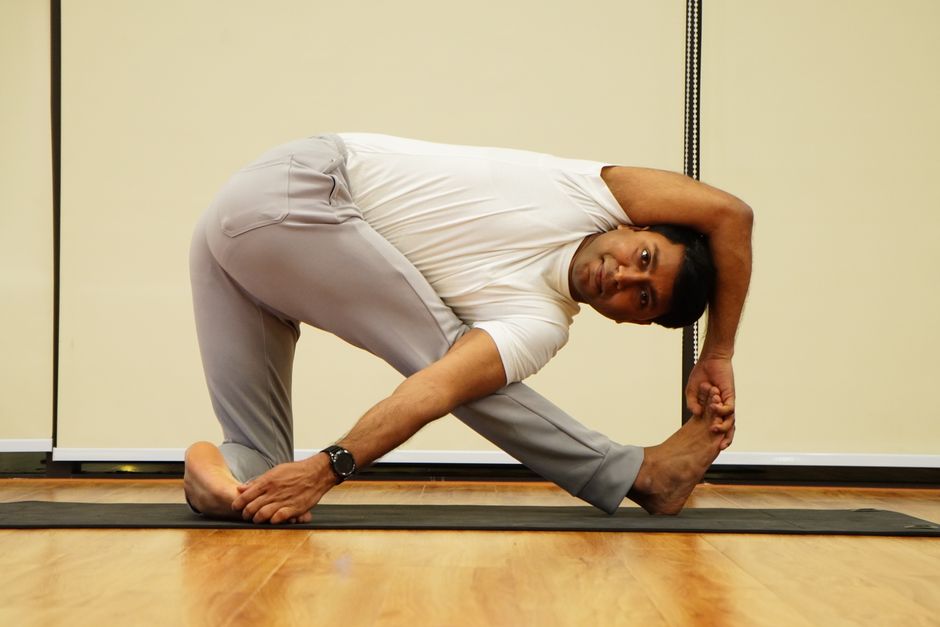
Sitting for long hours, sleeping in an awkward position, or simply getting older can leave your hips and lower back feeling stiff and tight. The most effective way to ease this tightness is to perform gentle, consistent stretches that target the hip flexors, glutes, and the muscles along your spine. Start with a routine of 5 to 10 minutes daily, holding each stretch for 20 to 30 seconds without bouncing, and you will begin to feel a difference in your mobility and comfort within a week or two.
Why Do Hips and Lower Back Get Tight?
The hips and lower back are connected by a network of muscles, tendons, and fascia. When one area is tight, the other often compensates. The most common culprit is prolonged sitting. When you sit, your hip flexors—the muscles at the front of your hip—stay in a shortened position. Over time, they adapt to that length and become tight.
This tightness pulls your pelvis forward. Your lower back muscles then have to work harder to keep you upright. That extra work leads to fatigue, stiffness, and pain. Weak gluteal muscles can also contribute. When your glutes are weak, your lower back and hamstrings take over more of the load, which leads to overuse and tightness.
Stress is another factor. Many people hold tension in their hips and lower back without realizing it. This chronic muscle tension restricts blood flow and makes the tissues feel stiff and achy.
How To Stretch Hips And Lower Back To Ease Tightness
The best approach combines stretches for the front of the hip, the glutes, and the lower back. A balanced routine prevents you from overstretching one area while ignoring another. Perform these stretches on a comfortable mat or carpeted floor. Move slowly into each position and stop if you feel sharp pain.
Here is a simple sequence that covers all the key areas:
- Knee-to-chest stretch: Lie on your back with both knees bent. Pull one knee toward your chest, holding it with your hands. Keep your lower back pressed into the floor. Hold for 30 seconds, then switch sides.
- Figure-four stretch: Lie on your back with both knees bent. Cross your right ankle over your left knee. Gently pull your left thigh toward your chest. You should feel this in your right glute. Hold for 30 seconds, then switch sides.
- Child’s pose: Kneel on the floor with your big toes touching and knees spread wide. Sit back onto your heels and reach your arms forward, lowering your chest toward the floor. Hold for 30 to 60 seconds. This stretches the lower back and hips simultaneously.
- Kneeling hip flexor stretch: Kneel on your right knee with your left foot flat on the floor in front of you. Keep your torso tall and gently push your hips forward until you feel a stretch in the front of your right hip. Hold for 30 seconds, then switch sides.
- Cat-cow stretch: Start on your hands and knees. Inhale as you drop your belly and lift your chest, letting your head come up. Exhale as you round your spine toward the ceiling, tucking your chin. Move slowly through this for 60 seconds.
Do not rush these stretches. The goal is to let the muscle relax into the stretch, not to force it. Breathing slowly and deeply helps your muscles release more effectively.
How Often Should You Stretch?
Daily stretching is ideal for tight hips and a stiff lower back. Even a short session of five minutes is better than skipping it entirely. Consistency matters more than intensity. Stretching once a week for an hour will not produce the same results as stretching for ten minutes every day.
If you are experiencing acute pain, reduce the intensity of your stretches. A mild pulling sensation is normal. Sharp or shooting pain is not. If you feel sharp pain, stop the stretch and consult a healthcare professional.
Consider stretching at two key times during the day. In the morning, gentle stretching helps wake up your muscles and prepares your spine for the day. In the evening, stretching helps release the tension that has built up from daily activities. Both are beneficial, so choose what fits your schedule.





Common Mistakes That Worsen Tightness
Many people stretch incorrectly and wonder why their tightness does not improve. One common mistake is bouncing during a stretch. This triggers the stretch reflex, which causes the muscle to contract rather than relax. Always move into a stretch slowly and hold it still.
Another mistake is stretching only the area that hurts. If your lower back is tight, you might stretch it endlessly without addressing the tight hip flexors that are causing the problem. An integrated approach that includes the hips, glutes, and back is more effective.
Holding your breath is also counterproductive. When you hold your breath, your muscles stay tense. Exhale as you move deeper into a stretch. This signals to your nervous system that it is safe to relax.
Finally, do not stretch cold muscles aggressively. A light warm-up—like a short walk or marching in place for a few minutes—increases blood flow to the muscles and makes them more pliable. Stretching cold tissue increases the risk of strain.
When Stretching Is Not Enough
Stretching is effective for muscle tightness, but it is not a cure-all. If your tightness stems from weak muscles, stretching alone will not fix the problem. Strengthening your glutes and core is often necessary to support your lower back and maintain proper hip alignment.
Simple strengthening exercises like bridges, bird dogs, and planks can make a significant difference. These exercises teach your muscles to support your spine in a neutral position. When your core and glutes are strong, your lower back does not have to work as hard.
If your tightness persists despite regular stretching and strengthening, consider other factors. Your mattress, your desk setup, and your daily movement patterns all play a role. A physical therapist can assess your specific movement patterns and prescribe a targeted program.
There is no clinical evidence that any single stretch or device can permanently cure chronic tightness. It is an ongoing management issue. Think of stretching as part of your daily hygiene, like brushing your teeth. It requires consistent effort to maintain results.
Safety Considerations and When to See a Doctor
Most cases of hip and lower back tightness are muscular and respond well to stretching. However, sometimes tightness signals a more serious condition. See a doctor if you experience any of the following:
- Numbness or tingling that radiates down your leg
- Weakness in your legs or feet
- Loss of bowel or bladder control
- Pain that follows a recent fall or injury
- Pain that does not improve with stretching after several weeks
These symptoms can indicate nerve involvement or a structural problem that requires medical evaluation. Do not ignore them or assume stretching will resolve them.
No clinical guidelines currently exist for how much stretching is safe during pregnancy. If you are pregnant, check with your obstetrician before starting a new stretching routine. Some stretches, like lying flat on your back, are not recommended in later pregnancy.
Frequently Asked Questions
How long should I hold each stretch for my hips and lower back?
Hold each stretch for 20 to 30 seconds. This duration allows the muscle fibers to relax without triggering the protective stretch reflex.
Can stretching make my lower back pain worse?
Yes, if you stretch too aggressively or have an underlying condition like a herniated disc. Stretch gently and stop immediately if you feel sharp or shooting pain.
Is it better to stretch in the morning or at night?
Both times are beneficial. Morning stretching helps prepare your muscles for the day, while evening stretching releases accumulated tension. Choose the time you can do consistently.
Do I need to warm up before stretching my hips and back?
A light warm-up helps. Walking for a few minutes or doing gentle marching in place increases blood flow and makes the muscles more responsive to stretching.
