
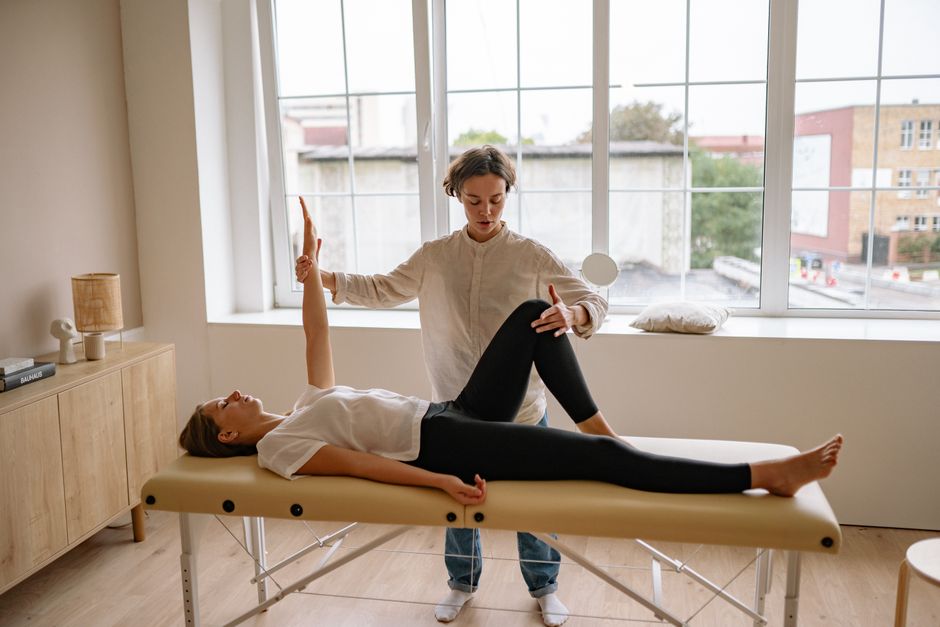
Sciatica pain can stop you in your tracks. The sharp, shooting pain that travels from your lower back down your leg is hard to ignore. Stretching is one of the most effective ways to find relief. The goal is to gently lengthen the muscles that press on the sciatic nerve, especially the piriformis muscle deep in the buttock. Consistent, gentle stretching can reduce nerve compression and ease the pain over time.
What Causes Sciatic Nerve Pain?
Sciatica is a symptom, not a condition itself. It happens when something presses on the sciatic nerve. This nerve runs from your lower spine, through your buttock, and down the back of your leg. The most common cause is a herniated disc in the lower spine. The disc bulges and touches the nerve root.
Another common cause is piriformis syndrome. The piriformis is a small muscle in the buttock. If it gets tight or spasms, it can press directly on the sciatic nerve as it passes beneath or through the muscle. This produces pain that feels like sciatica even though the spine is healthy.
Other causes include spinal stenosis, which narrows the space around the nerve roots, and spondylolisthesis, where a vertebra slips forward. Less common causes are infections, tumors, or direct injury. Knowing the cause matters because it guides which stretches are safe for you.
How To Stretch For Sciatica And Relieve Nerve Pain Safely
Stretching for sciatica is not about pushing through pain. It is about gentle, sustained lengthening. The best approach is to start with low-intensity stretches and hold each one for 20 to 30 seconds. Breathe normally and relax into the stretch. Never bounce.
If a stretch increases your pain, especially if it sends shooting pain further down your leg, stop immediately. That is a sign the nerve is being aggravated, not helped. Pain that radiates beyond your knee during a stretch is a red flag. Ease off and try a gentler variation or skip that stretch entirely.
Consistency beats intensity. Stretching once a day for two weeks will do more than an intense session once a week. The nerve needs time to settle down. Think of it as slowly calming an irritated nerve rather than forcing it into submission.
The Best Stretches for Sciatic Nerve Relief
These stretches target the muscles most often involved in sciatica. They are safe for most people when done correctly. Always warm up with a short walk for a few minutes before stretching. Cold muscles do not stretch well.
Piriformis Stretch
Lie on your back with both knees bent. Cross the ankle of the painful leg over the opposite knee. Gently pull the bottom thigh toward your chest. You should feel a stretch in the buttock of the crossed leg. Hold for 30 seconds and repeat two to three times.
Knee-to-Chest Stretch
Lie on your back with both knees bent. Bring one knee toward your chest, keeping the other foot flat on the floor. Hold the knee with both hands and pull gently. This stretches the lower back and gluteal muscles. Hold for 30 seconds. Switch sides.
Seated Spinal Twist
Sit on the floor with both legs extended. Bend one knee and place the foot flat on the floor on the outside of the opposite leg. Twist your torso toward the bent knee, placing your opposite elbow on the outside of that knee. This mobilizes the lower spine and stretches the glutes. Hold for 30 seconds and switch sides.
Figure-Four Stretch
Lie on your back with both knees bent. Cross one ankle over the opposite knee, forming a figure four shape. Gently press the bent knee away from you. You will feel a deep stretch in the hip and buttock. Hold for 30 seconds. This is a variation of the piriformis stretch that works well for many people.
Hamstring Stretch
Tight hamstrings can worsen sciatica by pulling on the pelvis. Lie on your back with one leg extended. Loop a towel or strap around the ball of your foot and gently lift the straight leg. Keep the knee as straight as comfortable. Stop when you feel a mild pull in the back of the thigh. Hold for 30 seconds.





Stretches to Avoid With Sciatica
Some stretches can make sciatica worse. High-intensity stretches that force the spine into extreme positions are risky. Avoid full forward folds with straight legs, as they place significant load on the lower spine and can aggravate a herniated disc. Deep squats can also compress the lumbar spine.
Be careful with any stretch that involves twisting while bending forward. This combination puts uneven pressure on the spinal discs. If you have a herniated disc, this position can push the disc further into the nerve.
Listen to your body. A stretch that feels fine one day may hurt the next. Sciatica fluctuates. Modify your routine based on how you feel each day. Pain is information. Use it to guide your choices.
When Stretching Is Not Enough
Stretching helps many people with sciatica, but it is not a cure for everyone. If your pain does not improve after two weeks of consistent stretching, seek medical advice. A doctor or physical therapist can assess your specific situation and may recommend other treatments.
Physical therapy is often more effective than stretching alone. A therapist can teach you strengthening exercises that support the spine and correct muscle imbalances. They can also use manual therapy techniques to release tight muscles.
Some people need medication to manage inflammation. Nonsteroidal anti-inflammatory drugs like ibuprofen can reduce swelling around the nerve. In more severe cases, a doctor may recommend steroid injections or surgery. These are reserved for people with significant pain or neurological symptoms.
Other Ways to Relieve Sciatic Nerve Pain
Stretching works best as part of a broader approach. Heat and cold therapy can provide quick relief. Apply a cold pack for 15 minutes to reduce inflammation in the first few days of a flare-up. After that, switch to a heating pad to relax tight muscles and increase blood flow.
Gentle movement helps. Walking for 10 to 15 minutes several times a day keeps the nerve mobile without overloading it. Swimming and water walking are excellent options because water supports your body weight and reduces pressure on the spine.
Sleep position matters. Many people with sciatica find relief by sleeping on their side with a pillow between their knees. This keeps the spine aligned and reduces pressure on the nerve. Avoid sleeping on your stomach, which twists the lower back.
Your workstation setup can also affect sciatica. If you sit for long periods, take breaks every hour. Stand up and walk around for a few minutes. Use a chair with good lumbar support. Slouching compresses the lower spine and can worsen nerve irritation.
When to See a Doctor Immediately
Most sciatica resolves on its own within a few weeks. But some symptoms require urgent medical attention. Seek immediate care if you experience loss of bladder or bowel control. This can indicate cauda equina syndrome, a rare but serious condition that requires emergency surgery.
Also seek urgent care if you have progressive weakness in your leg or foot. If your foot drops when you walk, or you cannot stand on your toes or heels, see a doctor promptly. Numbness in the groin or saddle area is another warning sign.
Severe pain after an injury or accident also warrants immediate evaluation. Sudden, intense pain accompanied by fever, chills, or unexplained weight loss should be checked by a doctor. These symptoms may point to an infection or another underlying condition.
How Long Before Stretching Helps?
Most people notice some improvement within one to two weeks of daily stretching. The timeline depends on the cause of your sciatica and how long you have had symptoms. Acute sciatica from a recent disc herniation may respond faster than chronic pain that has persisted for months.
Be patient. Nerves heal slowly. The pain may shift location as it improves, moving from your leg back toward your spine. This is often a good sign. It means the nerve is recovering. Some people experience a temporary increase in pain when they start stretching, but this should settle within a few days.
If you see no improvement after two to three weeks, reassess your approach. You may need a different set of stretches or a more comprehensive treatment plan. A physical therapist can create a personalized program based on your specific movement patterns and limitations.
Frequently Asked Questions
Can I stretch with severe sciatica pain?
Gentle stretching is safe for most people with sciatica, but you should avoid any movement that increases pain. If a stretch sends shooting pain down your leg, stop and try a gentler variation or skip it entirely.
How many times a day should I stretch for sciatica?
Stretching two to three times daily is generally effective for sciatica relief. Each session should include holds of 20 to 30 seconds with rest between stretches.
Is walking good for sciatic nerve pain?
Walking is beneficial for most people with sciatica because it keeps the nerve mobile without straining the spine. Short, frequent walks of 10 to 15 minutes are better than one long walk that aggravates the pain.
What is the fastest way to relieve sciatica?
Alternating heat and cold therapy combined with gentle stretching offers the fastest relief for most people. Cold reduces inflammation in the first days, while heat relaxes tight muscles that press on the nerve.
