
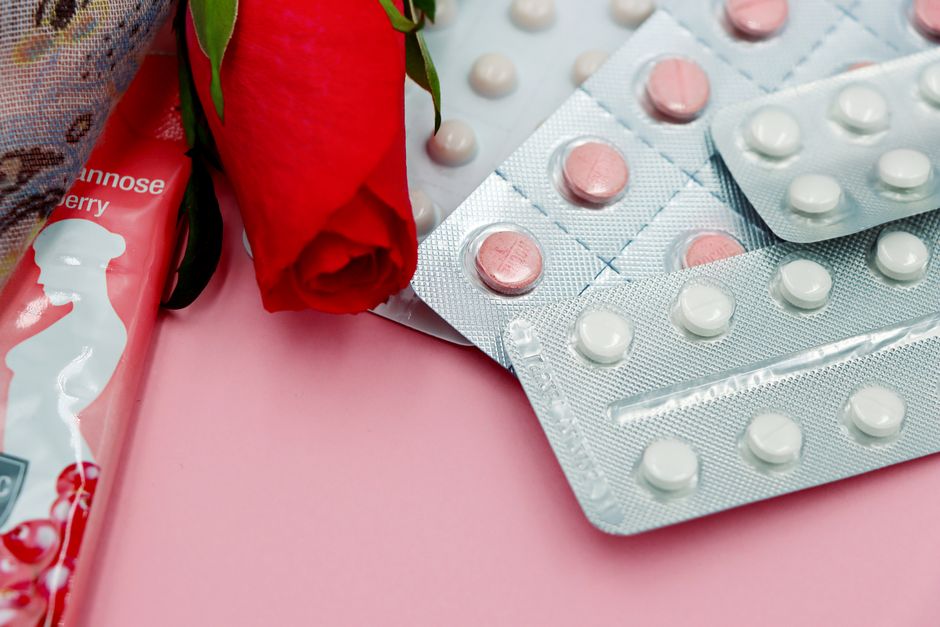
Premature ovarian failure — also called primary ovarian insufficiency — means your ovaries stop working normally before age 40. The word “failure” sounds final, but the reality is more complex. Some women regain ovarian function on their own, and some have gone on to conceive without medical treatment. Natural approaches cannot guarantee reversal, but certain lifestyle changes and supplements may support ovarian health while you work with your doctor on the bigger picture.
What Is Premature Ovarian Failure, Really?
Premature ovarian failure (POF) happens when the ovaries stop releasing eggs regularly and estrogen production drops. The medical community now prefers the term primary ovarian insufficiency (POI) because “failure” overstates the situation. The ovaries are not always completely shut down — they may still function intermittently.
This distinction matters. Studies have found that up to 5-10% of women with POI may still ovulate occasionally. Some have even conceived naturally after a diagnosis. That is not a promise, but it explains why the word “failure” is misleading.
The condition is diagnosed when a woman under 40 has irregular or absent periods for at least four months and blood tests show elevated FSH (follicle-stimulating hormone) levels. FSH levels above 25-30 mIU/mL on two tests taken a month apart are typically used to confirm the diagnosis.
Can You Actually Reverse Premature Ovarian Failure Naturally?
No natural protocol has been proven to reverse POI in large clinical trials. That is the honest answer. But the question deserves more nuance.
Some women experience temporary return of ovarian function. Researchers call these “flares” of activity. They happen spontaneously, not because of a specific treatment. This means when a woman improves after trying a supplement or diet change, it is difficult to know whether the treatment worked or whether her ovaries simply cycled back on their own.
What natural approaches can do is support the body’s hormone systems, reduce inflammation, and protect remaining ovarian tissue. These are reasonable goals. They may improve overall health and possibly support ovarian function, but they are not a guaranteed reversal.
What Causes Premature Ovarian Failure?
Knowing the cause matters because it shapes what natural strategies might help. There are several known drivers of POI:
- Autoimmune disease — the immune system attacks ovarian tissue. This is the most common identifiable cause.
- Genetic factors — including Fragile X syndrome carrier status and Turner syndrome.
- Chemotherapy or radiation — cancer treatments can damage ovarian follicles.
- Surgery — ovarian surgery for cysts or endometriosis can reduce ovarian reserve.
- Unknown causes — in many cases, no specific cause is found.
If your POI is autoimmune in origin, reducing immune system overactivity could theoretically help. If it is genetic, no dietary change will alter your DNA. If it is damage from chemotherapy, the remaining follicles may be fewer but could still respond to supportive care.
Your doctor can run tests to identify a cause. Antivarian antibodies, karyotyping, and Fragile X genetic testing are commonly ordered. Knowing your cause helps you set realistic expectations.


What Natural Strategies Have Some Evidence Behind Them?
Several supplements and lifestyle factors have been studied in women with POI or reduced ovarian reserve. The evidence is mostly preliminary, and study sizes are small. But some findings are worth discussing with your doctor.
Vitamin D is one of the most studied. Vitamin D receptors exist on ovarian tissue, and deficiency is common in women with POI. Some research suggests that correcting a deficiency may improve follicle function. There is no evidence that high-dose vitamin D restores ovulation in women with normal levels.
Coenzyme Q10 (CoQ10) supports mitochondrial function, and mitochondria provide energy for egg maturation. Some studies in women with diminished ovarian reserve have shown improved response to IVF when CoQ10 is used beforehand. The evidence for natural conception is less clear.
DHEA (dehydroepiandrosterone) is a hormone precursor. Some fertility specialists recommend it for women with low ovarian reserve. Research results are mixed. Some studies show improved pregnancy rates in IVF, while others show no benefit. DHEA is a hormone — it should only be used under medical supervision.
Omega-3 fatty acids reduce inflammation. Since inflammation may play a role in autoimmune POI, anti-inflammatory diets are sometimes recommended. No trial has proven that an anti-inflammatory diet restores ovarian function.
What About Diet and Lifestyle Changes?
Diet cannot cure POI, but it can support hormone balance and overall health. A Mediterranean-style diet — rich in vegetables, fruits, whole grains, fish, and olive oil — is consistently linked to better metabolic health. Metabolic health matters because blood sugar regulation affects sex hormone levels.
Maintaining a healthy weight is relevant. Both very low body weight and obesity can disrupt ovulation. If you are underweight, gaining weight may help restore cycles. If you are overweight, even modest weight loss can improve hormone profiles.
Stress management deserves attention. Cortisol, the stress hormone, interacts with reproductive hormones. Chronic stress is not proven to cause POI, but it can worsen hormonal imbalances. Practices like yoga, meditation, and adequate sleep are low-risk and may support overall hormonal health.
Exercise is beneficial but must be calibrated. Excessive intense exercise can suppress ovarian function. Moderate exercise — like brisk walking, swimming, or cycling — supports cardiovascular health, which is especially important because POI increases heart disease risk.
Hormone Therapy: The Standard Medical Approach
Before exploring natural options, understand what conventional medicine offers. Hormone replacement therapy (HRT) — typically estrogen plus progesterone — is the standard treatment for POI until the age of natural menopause, around age 51.
HRT does not restore fertility. It replaces the estrogen your ovaries are no longer making. This protects your bones, heart, and brain from the effects of low estrogen. Women with POI who do not take HRT face higher risks of osteoporosis and cardiovascular disease.
Some women prefer bioidentical hormones or natural alternatives. The evidence does not show that bioidentical hormones are safer or more effective than conventional HRT. What matters most is that you take some form of estrogen until natural menopause age, unless you have a medical reason not to.
If you want to conceive, HRT alone will not achieve that. Fertility options include IVF with donor eggs, which has high success rates, or using your own eggs if you are still producing any. Some women try natural approaches to encourage ovulation while also pursuing medical fertility treatment.
What Does the Research Actually Show About Natural Reversal?
The research on natural reversal of POI is limited. Most studies are small, short-term, and lack control groups. This makes it hard to draw firm conclusions.
Some case reports describe women who regained regular cycles after specific interventions — such as vitamin D supplementation or lifestyle changes. These reports are encouraging but cannot prove cause and effect. A woman who improves while taking vitamin D may have improved anyway.
One area of active research is stem cell therapy and platelet-rich plasma (PRP) injections into the ovaries. These experimental treatments are offered at some clinics, but no large clinical trials have confirmed their safety or effectiveness. The American Society for Reproductive Medicine has called for more research before these treatments are offered routinely.
Be cautious with clinics that promise ovarian rejuvenation. If a treatment sounds too good to be true, it usually is. Ask for published evidence. Ask how many patients they have treated. Ask what success rates they can document.
How To Work With Your Doctor on a Natural Approach
The safest path is integrative — combining conventional medical care with supportive natural strategies. Your doctor can monitor your hormone levels and adjust treatment as needed. This is important because some supplements interact with medications, and some can be harmful in high doses.
Before adding any supplement, ask your doctor to run baseline blood tests. Check your vitamin D, iron, ferritin, and thyroid function. These are common deficiencies that can affect overall health and possibly ovarian function.
If you decide to try supplements, introduce one at a time. Keep a journal of symptoms, cycles, and any changes. This helps you and your doctor see what is working. Give each change at least three months before judging it — ovarian cycles take time to respond.
Remember that POI affects more than fertility. It affects bone density, heart health, and emotional well-being. A comprehensive approach addresses all of these. Natural strategies that support bone and heart health — like weight-bearing exercise, adequate calcium and vitamin D, and a heart-healthy diet — matter regardless of whether they restore ovulation.
Frequently Asked Questions
Can you get pregnant naturally with premature ovarian failure?
Yes, but it is uncommon — about 5-10% of women with POI may still ovulate occasionally and conceive without medical help. Most women with POI who want children use donor eggs or IVF with their own eggs if any remain.
What supplements help premature ovarian failure?
Vitamin D and CoQ10 have the most supportive evidence, but neither is proven to restore ovarian function. Work with your doctor to check for deficiencies before supplementing, and use DHEA only under medical supervision.
Is premature ovarian failure reversible?
Reversal is not guaranteed, but some women experience temporary return of ovarian function on their own. Natural approaches may support hormone balance, but no treatment has been proven to consistently reverse POI.
How long can premature ovarian failure last?
POI is usually a lifelong condition, though some women have intermittent ovarian function for years. Hormone therapy is typically recommended until the age of natural menopause, around 51, to protect bone and heart health.
