
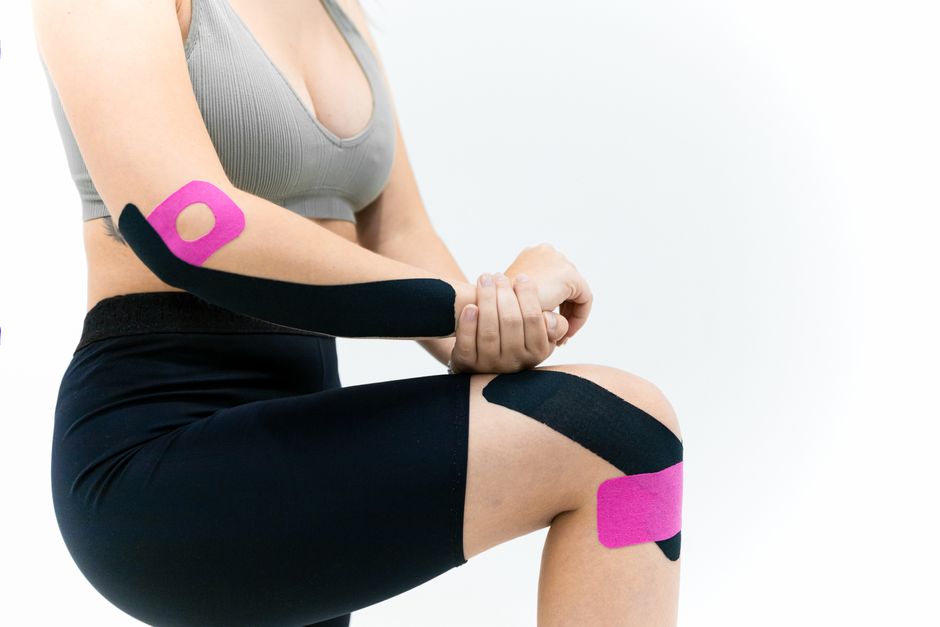
Knee taping is a simple technique that can provide support, reduce pain, and improve confidence during movement. The most common method involves applying rigid tape in a specific pattern around the kneecap to change how forces travel through the joint. While it does not fix structural damage, it can help manage symptoms during daily activities or sports.
What Does Knee Taping Actually Do?
Knee tape works primarily through sensory feedback and mechanical support. When applied correctly, the tape stimulates nerve receptors in the skin, which can reduce the perception of pain. This is called the gate control theory of pain — the brain receives competing signals from the skin and the deeper joint structures, and the skin signals can partially block the pain signals.
Mechanically, tape can also influence how the kneecap tracks in its groove. If your kneecap tilts or shifts slightly during movement, specific taping patterns can gently guide it into a more neutral position. This is not a permanent correction, but it can reduce irritation during activity.
It is important to understand what tape does not do. It does not strengthen muscles, fix torn ligaments, or cure arthritis. It is a temporary tool to help you move more comfortably while you address the underlying issue with strength training, physical therapy, or medical care.
Which Type of Tape Should You Use?
Two main types of tape are used for knees: rigid athletic tape and kinesiology tape. They work differently, and choosing the right one depends on your goal.
Rigid tape, often called zinc oxide tape, does not stretch. It provides firm mechanical support and restricts unwanted movement. It is commonly used for acute injuries where you need to limit motion, such as a mild ligament sprain. It is also the standard choice for the classic kneecap taping technique used by physical therapists.
Kinesiology tape is elastic and stretches to roughly 140 percent of its resting length. It allows full range of motion while providing gentle sensory feedback. Many people find it more comfortable for daily wear, and it can be left on for several days. The evidence for kinesiology tape is mixed, but some studies suggest it can reduce pain in the short term for conditions like patellofemoral pain syndrome.
For a first-time user, rigid tape is often easier to apply correctly for kneecap support. Kinesiology tape requires more attention to stretch and anchor points.
How To Strap Knee With Tape: Step-by-Step
Before applying any tape, prepare the skin. Shave excessive hair if needed. Clean the area with soap and water, then dry it completely. Do not apply lotion or oil before taping, as this prevents adhesion. If you have sensitive skin, test a small piece of tape on your inner arm first.
For the standard kneecap support technique using rigid tape, follow these steps while sitting with your knee bent at about 30 degrees. This slight bend keeps the kneecap seated properly in its groove.
- Measure and cut. Cut two strips of rigid tape, each about 6 to 8 inches long. You want each strip to span from one side of the kneecap to the other, with about an inch of overlap onto the skin on each side.
- Apply the first strip. Place one end of the tape on the outer side of your kneecap. Pull it gently across the kneecap toward the inner side. The goal is to apply a light, comfortable pull — not a hard stretch. Smooth the tape down with your fingers.
- Apply the second strip. Place the second strip on the inner side of the kneecap and pull it across toward the outer side. This creates an X pattern over the kneecap. The two strips should cross near the center of the kneecap.
- Smooth and secure. Rub the tape firmly to activate the adhesive. Check that the edges are flat and not curling. The tape should feel snug but not tight enough to cut off circulation.
- Test your movement. Stand up and bend your knee a few times. The tape should stay in place and feel supportive. If you feel pinching, burning, or numbness, remove the tape and reapply with less tension.
This X-pattern technique is the most widely taught method for general kneecap support. It is sometimes called the McConnell taping method, named after the physical therapist who popularized it for patellofemoral pain. Research on this technique shows it can reduce pain during activity, though the effects are most consistent in the short term.





How Long Can You Wear Knee Tape?
Rigid tape is generally worn for a few hours at a time. It is not designed for prolonged wear because it can irritate the skin and limit circulation if left on too long. Most people apply it before exercise or a specific activity and remove it afterward.
Kinesiology tape can be worn for two to five days, including during sleep and showers. The adhesive is designed for extended wear. However, if you experience itching, redness, or blistering, remove the tape immediately. Skin irritation is the most common side effect of any taping method.
Do not sleep in rigid tape. The skin underneath needs time to breathe and recover. If you need daily support, apply fresh tape each morning and remove it at night.
Common Mistakes and How to Avoid Them
The most common mistake is applying the tape too tight. A common misconception is that tighter tape means more support. In reality, excessive tension can restrict blood flow, cause nerve compression, and increase pain. The tape should feel like a firm hand resting on your knee — not a vice.
Another frequent error is applying tape to wet or oily skin. The tape will peel off within minutes. Always clean and dry the area thoroughly.
Placing tape directly over open wounds, rashes, or broken skin is unsafe. The adhesive can introduce bacteria and cause infection. Skip taping if your skin is compromised.
Finally, do not use knee tape as a substitute for medical evaluation. If your knee is swollen, gives way, locks, or causes you to limp, see a healthcare provider before taping. These symptoms can indicate structural damage that tape will not address.
When Knee Taping Is Not Enough
Knee tape is a symptom management tool, not a treatment. If taping relieves pain during activity, that is useful, but it does not resolve the underlying cause. The most common causes of knee pain that people tape for include patellofemoral pain syndrome, mild osteoarthritis, and patellar tendinopathy.
For these conditions, the evidence consistently supports strengthening exercises as the primary treatment. Quadriceps and hip muscle strengthening reduces pain and improves function more reliably than taping alone. A physical therapist can design a program specific to your condition.
If you have significant instability, such as your knee giving way during walking, taping is not appropriate. You likely need a brace, physical therapy, or further medical evaluation. Similarly, if you have a suspected ligament tear, do not rely on tape. Seek professional assessment.
Some research suggests that combining taping with exercise produces better short-term results than exercise alone. But the long-term outcome depends on the exercise program, not the tape.
Alternatives to Knee Taping
Knee sleeves and compression wraps are common alternatives. They provide warmth and proprioceptive feedback — your body’s sense of joint position — without the restrictive pull of rigid tape. Many people find them more convenient because they are reusable and easy to put on.
Knee braces offer more structural support than tape, particularly for ligament instability. However, they are bulkier and can restrict movement more than tape. The choice depends on your specific condition and activity level.
For pain management, over-the-counter anti-inflammatory medications like ibuprofen can help in the short term. Always follow the dosing instructions on the label and talk to your doctor if you take them regularly.
The evidence does not show that any single taping method is superior for all knee conditions. The best approach is often trial and error with guidance from a physical therapist, combined with a proper strengthening program.
When to See a Doctor
Seek medical care if your knee pain lasts more than two weeks despite rest and taping. Also see a doctor if you have significant swelling, inability to bear weight, visible deformity, or a popping sensation followed by immediate pain. These can indicate a more serious injury such as a meniscus tear or ligament rupture.
If you have diabetes or peripheral vascular disease, talk to your doctor before using tape. Reduced circulation in the legs increases the risk of skin breakdown under adhesive tape.
Frequently Asked Questions
How long does knee tape stay on?
Rigid tape should be removed after a few hours, while kinesiology tape can stay on for two to five days. Remove any tape immediately if it causes pain, numbness, or skin irritation.
Can I shower with knee tape on?
Kinesiology tape is water-resistant and can handle a shower, but rigid tape is not. Dry the tape thoroughly after showering to keep it in place.
Does knee taping actually work for pain?
Some studies show taping can reduce knee pain in the short term, especially for kneecap-related pain. It does not treat the underlying cause, so it should be combined with strengthening exercises.
Is it safe to tape my knee every day?
Yes, but use fresh tape each day and allow your skin to rest overnight. Watch for redness, itching, or blistering, and stop if irritation develops.
