
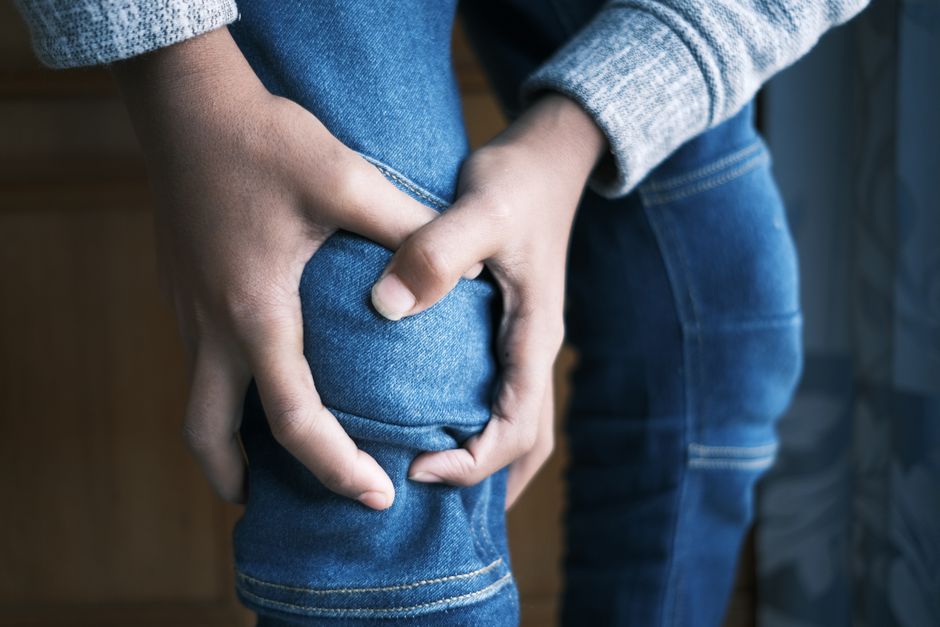
The anterior cruciate ligament, or ACL, is one of the four major ligaments that stabilize the knee joint. It connects the thigh bone (femur) to the shin bone (tibia) and runs diagonally through the center of the knee. Its main job is to keep the shin bone from sliding too far forward and to provide rotational stability. When this ligament tears, it is called an ACL injury, and it is one of the most common and serious knee injuries, especially in athletes.
What Is The ACL In The Knee Causes Symptoms Treatment?
The ACL is a strong band of tissue, about the size of a pinky finger, that controls how the knee moves. Injuries happen when the ligament is stretched beyond its limit and tears, either partially or completely. The classic cause is a sudden stop or change of direction, a landing from a jump, or a direct blow to the side of the knee. Symptoms usually include a loud “pop” at the moment of injury, severe pain, rapid swelling, and a feeling that the knee has “given out” or is unstable.
Treatment depends on the severity of the tear and the person’s activity level. Some people recover with physical therapy and bracing. Others, especially young athletes or those who play pivoting sports, need surgery to rebuild the ligament. The recovery process takes months, and the goal is always to restore strength, stability, and confidence in the knee.
How Does the ACL Get Torn?
Most ACL tears are non-contact injuries. That means the ligament tears without another player hitting the knee. The most common mechanism is a sudden deceleration combined with a change of direction. Picture a soccer player cutting to the left at full speed. The foot plants, the knee twists, and the ACL takes the force. Landing awkwardly from a jump is another frequent cause, especially if the knee collapses inward.
Direct contact can also tear the ACL. A blow to the outside of the knee, like in a football tackle, can force the knee inward and strain the ligament. These contact injuries often involve other structures too, like the medial collateral ligament (MCL) or the meniscus. When multiple structures tear at once, it is called a “terrible triad” and requires careful surgical planning.
There are also risk factors that make some people more prone to ACL injuries. Women have higher rates of ACL tears than men in the same sports, likely due to differences in muscle strength, joint laxity, and landing patterns. Fatigue, poor conditioning, and improper footwear on the wrong playing surface all increase risk as well.
What Does an ACL Tear Feel Like?
Many people report hearing or feeling a “pop” at the exact moment of injury. That pop is often followed by intense pain and the inability to continue the activity. Swelling usually begins within a few hours. This rapid swelling is caused by bleeding inside the joint, known as a hemarthrosis. The knee becomes stiff and difficult to bend or straighten fully.
Instability is the hallmark symptom of a complete ACL tear. The knee may feel like it wants to “give out” or buckle, especially when turning or landing. This happens because the shin bone can slide forward on the thigh bone without the ACL holding it in place. Some people can walk on a torn ACL, but they often feel unsteady on stairs or uneven ground.
It is worth noting that a partial ACL tear can feel similar to a complete tear in the early days. The pain and swelling are often identical. The difference becomes clearer over time. A partial tear may heal with conservative care, while a complete tear rarely heals on its own because the ligament ends cannot reattach without surgery.




How Is an ACL Tear Diagnosed?
A doctor will start with a physical exam. The most reliable test is the Lachman test, where the doctor holds the thigh steady and pulls the shin forward. If the shin moves too far, the ACL is likely torn. Another test, called the pivot shift test, checks for rotational instability. These tests are accurate but can be hard to perform when the knee is very swollen and painful.
An MRI is the standard imaging test for confirming an ACL tear. It shows the ligament clearly and can also reveal damage to the meniscus, cartilage, or other ligaments. X-rays are not useful for seeing the ACL itself, but they are often taken to rule out bone fractures. In some cases, a doctor may order a special X-ray view to check for a small bone fragment pulled off with the ligament.
Diagnosis is usually straightforward in a clinic with the right tools. The challenge is deciding what to do after the diagnosis, which depends heavily on the patient’s age, activity goals, and the degree of instability.
Treatment Options: Surgery Versus No Surgery
Not every ACL tear requires surgery. The decision depends on the person, not just the tear. A sedentary older adult with a partial tear may do well with physical therapy alone. A 17-year-old basketball player with a complete tear almost always needs surgery to return to cutting and jumping sports. The key factor is whether the knee feels unstable during everyday activities or desired sports.
Non-surgical treatment focuses on strengthening the muscles around the knee, especially the quadriceps and hamstrings. Strong muscles can compensate for the missing ligament by holding the knee steady. Physical therapy usually lasts several months and includes balance training, plyometrics, and sport-specific drills. Some people return to full activity without surgery, but they must accept a higher risk of future meniscus tears from repeated instability episodes.
Surgery involves reconstructing the ACL using a graft. The graft is tissue taken from the patient’s own body, most commonly the patellar tendon or hamstring tendon, or from a deceased donor. The surgeon drills tunnels in the bone, passes the graft through the knee, and fixes it in place. This gives the knee a new ligament to heal into.
Surgical recovery is lengthy. The first weeks involve crutches and a brace. Full return to sport typically takes 9 to 12 months, sometimes longer. The graft itself goes through a healing process where it slowly becomes part of the bone. Returning too early puts the graft at risk of re-tearing.
What Does Recovery Look Like?
Whether treated surgically or not, recovery is a gradual process. The first goal is to reduce swelling and restore full range of motion. This starts within days of the injury. Walking without crutches usually happens within a few weeks, but the knee remains weak and stiff for much longer.
Physical therapy is the backbone of recovery. The exercises progress from simple quad sets and straight leg raises to squats, lunges, and eventually running and jumping. Balance and proprioception training are critical. The knee has nerve endings that sense joint position, and these must be retrained after an injury. Without this training, the knee may feel “foreign” even after strength returns.
Returning to sport is a decision made jointly by the patient, surgeon, and physical therapist. The typical criteria include full range of motion, no swelling, strength equal to the uninjured leg, and successful completion of sport-specific drills. Many surgeons now use functional tests, like hop tests, to measure readiness. Passing these tests does not guarantee a safe return, but it significantly lowers the risk of re-injury.
Can ACL Injuries Be Prevented?
Prevention programs exist and they work, though they do not eliminate risk entirely. These programs focus on proper landing technique, strengthening the hamstrings and glutes, and teaching the body to avoid dangerous knee positions. Neuromuscular training, which includes balance and plyometric exercises, has been shown to reduce ACL injury rates in young female athletes, who are at the highest risk.
The most important preventive habit is learning to land softly with the knees bent and aligned over the toes. Many injuries happen when the knee collapses inward during landing or cutting. Strengthening the hip abductors and external rotators helps keep the knee in a safe position. Core strength also matters because a stable trunk keeps the lower body aligned.
Wearing the right footwear for the surface and maintaining good overall conditioning are simple but effective measures. Fatigued muscles protect the knee less effectively than fresh ones. There is no guaranteed way to prevent an ACL tear, but consistent training can meaningfully lower the odds.
When Should You See a Doctor?
See a doctor as soon as possible if you hear a pop in your knee and it swells within a few hours. Do not try to “walk it off.” Early diagnosis helps you make better treatment decisions and prevents additional damage to the meniscus from an unstable knee. If the knee feels like it is giving out during normal walking, that is a strong sign of a complete tear.
Delaying treatment does not make the injury worse by itself, but it can lead to secondary problems. Repeated episodes of instability can tear the meniscus, which increases the risk of arthritis later in life. A timely evaluation gives you the full picture and lets you choose the path that fits your life.
Frequently Asked Questions
Can you walk on a torn ACL?
Yes, many people can walk on a torn ACL, especially once the initial swelling goes down. However, the knee may feel unstable, and walking on uneven ground or stairs can be difficult.
How long does an ACL tear take to heal without surgery?
Non-surgical recovery typically takes 3 to 6 months of physical therapy to regain strength and stability. The ligament itself does not heal, but strong leg muscles can compensate for the missing structure.
Is ACL surgery always necessary?
No. Surgery is recommended for young athletes, people with high activity demands, or those whose knee gives out during daily activities. Older or less active individuals often do well with physical therapy alone.
What is the success rate of ACL reconstruction surgery?
Most people who have ACL surgery regain good knee stability and return to their previous activity level. However, about 1 in 5 athletes may experience a re-tear or injure the ACL in the opposite knee within a few years.
