
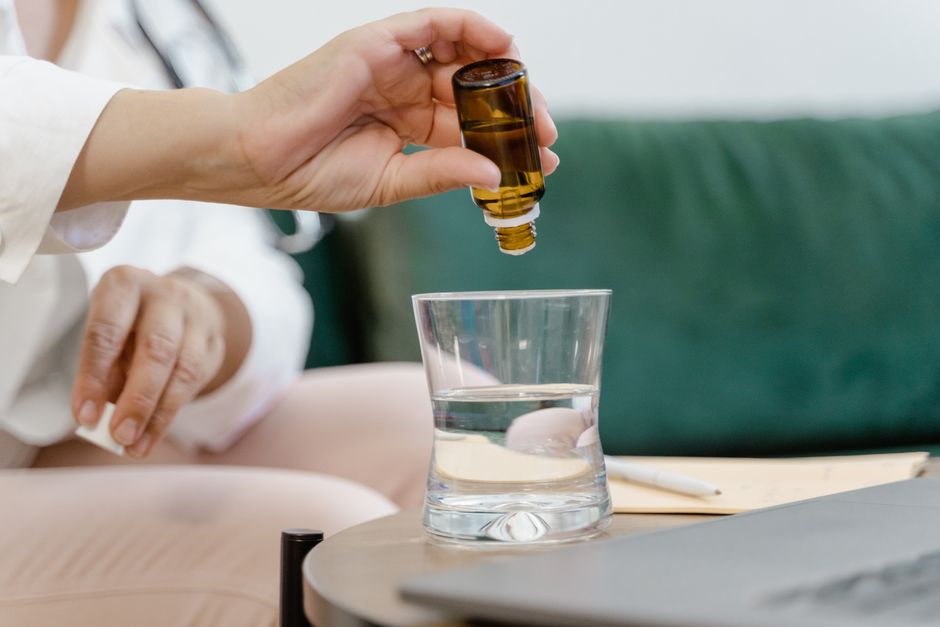
Storing tinctures correctly is about protecting the plant material and the alcohol or solvent that preserves it. The main enemies are heat, light, and oxygen. Keep tinctures in dark glass bottles, away from direct sunlight, and in a cool place. Properly stored, most alcohol-based tinctures can last for several years without losing significant potency.
How To Store Tinctures Properly And Extend Shelf Life?
The single most important rule is to use dark glass. Amber or cobalt blue bottles block the UV light that breaks down plant compounds. Clear glass lets light in, which speeds up degradation. If you buy a tincture in a clear bottle, transfer it to a dark one or keep it inside a cabinet.
Temperature matters almost as much. Heat accelerates chemical reactions, including the breakdown of active ingredients. A consistent, cool room temperature between 60-70°F is ideal. Avoid storing tinctures above the stove, on windowsills, or in bathrooms where humidity and heat fluctuate.
Oxygen is the third factor. Every time you open the bottle, air enters. This can slowly oxidize the tincture, changing its color and potency over time. Use dropper bottles that seal tightly, and always replace the cap immediately after use.
What Is The Best Container For Tinctures?
Glass is the standard choice. High-quality tinctures come in glass because it is non-reactive. Plastic can leach chemicals into the liquid over time, especially when the tincture contains alcohol. Alcohol is a solvent — it can pull compounds from plastic into your tincture.
Dark glass offers the best protection. Amber and cobalt blue bottles block the most light. Green glass provides some protection but less than amber. Clear glass offers almost none.
Look for bottles with a tight-fitting dropper cap. The dropper should be glass or food-grade plastic. Some cheaper droppers degrade with repeated alcohol exposure. If the rubber bulb on top becomes stiff or cracked, replace the bottle.
How Long Do Tinctures Actually Last?
Alcohol-based tinctures have a long shelf life. When stored properly, most remain potent for 3 to 5 years. Some herbalists report keeping tinctures for a decade or more with good results. The alcohol acts as a preservative, preventing bacterial and fungal growth.
Glycerin-based tinctures, sometimes called glycerites, do not last as long. Glycerin is not as strong a preservative as alcohol. These typically last 1 to 2 years. They also require refrigeration after opening to slow spoilage.
Vinegar-based extracts have the shortest shelf life. Vinegar is a weaker preservative, and these extracts usually last about 3 to 6 months in the refrigerator. They are best made in small batches and used quickly.
Alcohol percentage matters. A tincture with 40-60% alcohol (80-120 proof) preserves well. Lower alcohol content means less protection. If you make your own tinctures, aim for a final alcohol content of at least 25-30% for reliable preservation.




How Can You Tell If A Tincture Has Gone Bad?
Your senses are the best tools. A healthy tincture smells like the plant it came from, often with a sharp alcohol note. If it smells sour, musty, or completely different from when you bought it, that is a red flag.
Look for visible changes. Mold floating in the liquid is a clear sign of contamination. Cloudiness in a previously clear tincture can also indicate spoilage, though some tinctures naturally become cloudy as compounds settle over time. Sediment at the bottom is normal and not necessarily a problem.
Taste is another indicator, but use caution. If the smell is off, do not taste it. A spoiled tincture will taste sour, bitter in an unpleasant way, or simply “wrong” compared to a fresh sample. When in doubt, throw it out. A tincture is not worth risking your health over.
Changes in color over time are common and not always a sign of spoilage. Many tinctures darken as they age. This is a natural oxidation process. It does not necessarily mean the tincture is ineffective, but it can indicate gradual loss of potency.
Does Refrigeration Help Tinctures Last Longer?
Refrigeration can help, but it is not required for alcohol-based tinctures. A cool, dark cabinet works just as well. The refrigerator offers a stable, cool temperature that slows chemical breakdown. The downside is that cold temperatures can cause some tinctures to become cloudy or thicken.
Glycerin and vinegar tinctures benefit more from refrigeration. These have weaker preservation and the cold slows bacterial growth. Always refrigerate vinegar-based extracts after opening. Check the label on glycerin products — many manufacturers recommend refrigeration after opening.
If you do refrigerate, let the tincture return to room temperature before using it. This keeps the dropper working properly and ensures consistent dosing. Cold liquid can cause glass droppers to draw up less liquid.
Should You Freeze Tinctures For Long-Term Storage?
Freezing is not necessary and can actually cause problems. High-proof alcohol does not freeze in a standard home freezer, but the water in lower-proof tinctures can separate or form ice crystals. This changes the concentration and can affect potency.
Repeated freeze-thaw cycles are worse. They stress the bottle, can cause the dropper to crack, and accelerate oxidation. If you must freeze a tincture, use a freezer-safe glass bottle with a tight seal, not the original dropper bottle.
The evidence does not support freezing as a superior storage method. A cool, dark shelf provides the same preservation benefits without the risks. Freezing adds no meaningful advantage for alcohol-based tinctures.
Does Storage Affect Tincture Potency?
Yes, but the effect is gradual. Light and heat break down the active plant compounds over time. This is why dark glass and cool temperatures matter. A tincture stored in a bright, warm windowsill will lose potency faster than one stored in a dark cabinet.
Some plant compounds are more fragile than others. Delicate compounds like certain flavonoids and volatile oils degrade faster than robust alkaloids. This means some tinctures lose potency on a different timeline than others, even under identical storage conditions.
The alcohol itself does not evaporate if the bottle is sealed properly. Evaporation only happens when the cap is left off or the seal is broken. A properly sealed bottle maintains its alcohol content, which preserves the extract.
Frequently Asked Questions
Can tinctures go bad?
Yes, but slowly. Alcohol-based tinctures can last 3 to 5 years when stored properly, while glycerin and vinegar extracts spoil much faster.
Should tinctures be kept in the fridge?
Only glycerin and vinegar-based tinctures require refrigeration after opening. Alcohol-based tinctures do fine in a cool, dark cabinet.
Is it safe to use a tincture past its expiration date?
It depends on the type and how it was stored. Check for changes in smell, cloudiness, or mold. If anything seems off, discard it.
Does freezing a tincture ruin it?
Freezing can cause separation and damage the dropper. It offers no preservation benefit over cool, dark storage.
