
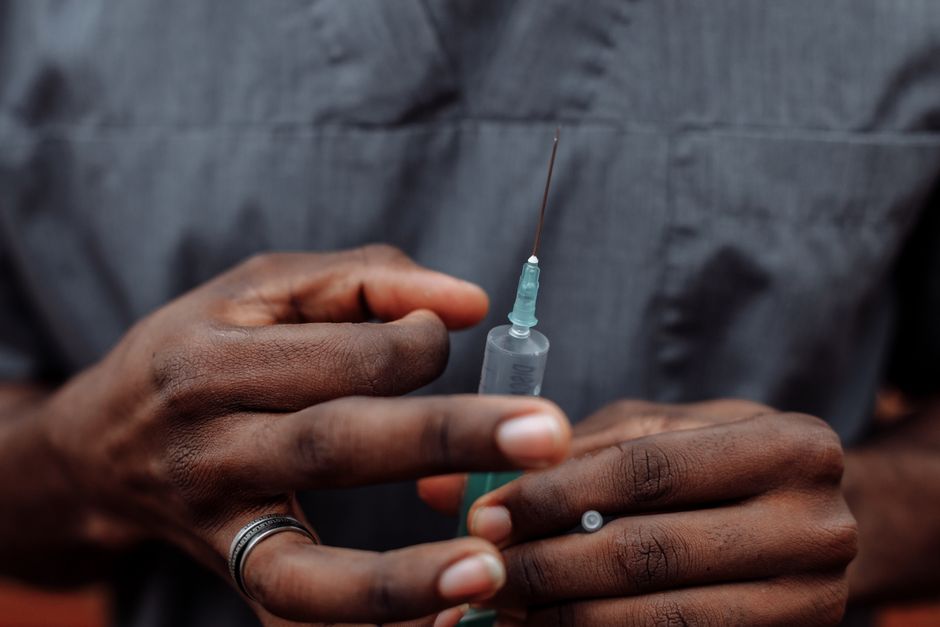
Vitamin B12 injections are usually given into a muscle or under the skin, using a sterile needle and syringe, with the correct dose drawn from a single-use vial. The injection site is cleaned first, the needle is inserted at the angle appropriate for the tissue depth, and the site is checked afterward for bleeding. Most people receive B12 injections in a clinical setting, and self-injection at home should only happen after a clinician has trained you and confirmed it is appropriate for your situation.
B12 shots matter because vitamin B12 is required for red blood cell formation, DNA synthesis, and normal nerve function. When levels drop low enough, the consequences can include anemia and nerve damage. For some people, injections are the only reliable way to correct a deficiency, because the problem is not how much B12 they eat but how well their body can absorb it.
Why Do Some People Need B12 Injections Instead of Pills?
Vitamin B12 absorption depends on a chain of steps, and a break anywhere in that chain can make oral supplements ineffective.
In a normal digestive process, stomach acid separates B12 from the proteins in food. The freed B12 then binds to a protein called intrinsic factor, which is made by cells in the stomach lining. That combination travels to the small intestine, where it is absorbed. If the stomach lining stops producing intrinsic factor, B12 from food and from most oral supplements cannot be absorbed, no matter how much a person takes.
This is the situation in pernicious anemia, an autoimmune condition in which the body attacks the cells that make intrinsic factor. It also occurs after certain stomach surgeries, including some bariatric procedures, and in conditions that damage the end of the small intestine where absorption happens. In these cases, an injection bypasses the digestive system entirely and delivers B12 directly into tissue and then the bloodstream.
Deficiency is not always obvious. Symptoms can develop slowly and include fatigue, tingling or numbness in the hands and feet, balance problems, memory difficulty, and a sore tongue. Nerve symptoms can appear even when blood counts look normal, which is one reason B12 deficiency is easy to miss.
Who Should Not Self-Inject B12 at Home?
Self-injection is not appropriate for everyone, and the decision belongs with a clinician who knows your history.
Home injection may be reasonable for a stable, well-informed adult with a confirmed diagnosis and clear instructions. It is generally not appropriate for people who are pregnant, breastfeeding, or caring for an infant, since these groups require specific clinical guidance. It is also a poor fit for anyone with a bleeding disorder, a compromised immune system, a history of injection-related complications, or difficulty seeing or handling equipment safely.
Children should not receive B12 injections outside a clinical setting. Dosing and monitoring in children differ from adults, and no universal home-injection guidance exists for this group.
Even when self-injection is appropriate, it should follow a clinician’s plan for dose and frequency. B12 dosing depends on the reason for the deficiency, the severity, and how the person responds. Standard schedules exist for conditions like pernicious anemia, but the right plan for any individual is a clinical decision.
How To Administer A B12 Shot Safely: Step by Step
These steps describe the general technique for a subcutaneous or intramuscular injection. They do not replace hands-on training from a clinician. If you have not been taught in person, do not attempt this on your own.
Before you start:
- Wash your hands thoroughly with soap and water.
- Gather supplies: the B12 vial, a new sterile syringe and needle, an alcohol wipe, a sharps container, and a clean gauze pad.
- Check the vial. It should be within its expiration date, and the liquid should be clear with no particles or discoloration. Do not use a cloudy or expired vial.
- Choose a clean, well-lit, flat surface to work on.
Drawing the dose:
- Remove the cap from the vial and wipe the rubber stopper with an alcohol wipe. Let it dry completely.
- Pull air into the syringe equal to the dose your clinician prescribed, then insert the needle through the stopper and push the air in. This makes drawing the liquid easier.
- Turn the vial upside down and draw back the plunger to pull the correct dose into the syringe.
- Check for air bubbles. Tap the syringe and push any air back into the vial.
- Remove the needle from the vial, being careful not to touch it against anything.
Choosing and preparing the site:
For a subcutaneous injection, common sites include the fatty tissue of the outer upper arm, the front of the thigh, or the abdomen at least two inches away from the navel. For an intramuscular injection, the upper outer buttock or the outer thigh is typical. Rotate sites between injections to avoid sore spots and scar tissue.
Clean the chosen site with an alcohol wipe and let it dry fully before injecting. Injecting into wet alcohol can sting.
Injecting:
- Pinch a fold of skin for a subcutaneous injection, or stretch the skin flat for an intramuscular injection.
- Insert the needle at a 45-degree angle for subcutaneous tissue, or a 90-degree angle for muscle, using a quick, steady motion.
- Pull back slightly on the plunger. If you see blood, withdraw the needle, discard it, and start again with a new needle and syringe at a different site.
- If no blood appears, push the plunger slowly and steadily to inject the full dose.
- Withdraw the needle at the same angle it went in, then press a clean gauze pad over the site for a few seconds.
After the injection:
- Do not rub the site. Rubbing can increase bruising and irritation.
- Place the used needle and syringe directly into a sharps container. Never recap a used needle by hand, and never throw it in household trash.
- Keep a record of the date, dose, and injection site. This helps your clinician track your treatment.





What Are the Risks and Side Effects?
B12 injections are generally well tolerated, but they are not risk-free.
Common effects are local and minor: soreness, redness, or a small bruise at the injection site. These usually clear on their own within a day or two.
More serious problems are uncommon but possible. These include infection at the injection site, bleeding or bruising in people who take blood thinners, and nerve injury if the needle hits a nerve. Because B12 is water-soluble, the body removes what it does not need through urine, so overdose from B12 itself is considered unlikely. That does not make the injection procedure itself risk-free.
Rare allergic reactions to B12 injections have been reported. Signs include rash, swelling, dizziness, or trouble breathing. Seek emergency care for any of these.
One point worth knowing: a small number of people report acne-like skin reactions after B12 injections. This is uncommon and not fully understood, but it has been described in medical literature.
Can You Inject B12 Into a Vein or Use It Another Way?
No. B12 injections are meant for muscle or subcutaneous tissue, not veins. Intravenous B12 is not a standard method for routine treatment, and attempting it outside a clinical setting is dangerous.
Oral and sublingual B12 supplements work well for many people, especially those whose absorption is intact or only mildly reduced. High-dose oral B12 can be effective even in some absorption problems, because a small fraction is absorbed without intrinsic factor. A clinician can help decide whether injections or oral forms are the better fit.
Nasal B12 gels and sprays also exist. They deliver B12 through the nasal lining and may be an option for some people, though evidence comparing them directly to injections is limited.
How Do You Store B12 and Handle Needles Safely?
Store B12 vials according to the label, usually away from light and at room temperature or refrigerated. Do not freeze B12 unless the label says it is acceptable. Keep vials out of reach of children.
Sharps disposal matters for everyone in the household. Use a dedicated sharps container, or a sturdy, puncture-resistant container with a tight lid if a commercial one is not available. When it is about three-quarters full, seal it and follow your local rules for disposal. Many pharmacies and health departments accept full sharps containers.
Never share needles, syringes, or vials between people. Sharing equipment can spread bloodborne infections.
When Should You Call a Clinician?
Contact your clinician if you notice increasing pain, swelling, warmth, or pus at an injection site, or if you develop a fever. These can signal infection.
Also reach out if your original symptoms are not improving, or if new numbness, tingling, or weakness appears. B12 treatment is usually monitored with blood tests, and the plan may need adjusting.
Seek emergency care right away for signs of a severe allergic reaction, including swelling of the face or throat, widespread rash, or difficulty breathing.
Frequently Asked Questions
Can I give myself a B12 shot at home?
Yes, some people can, but only after a clinician has trained them in person and confirmed it is appropriate for their situation. Self-injection without proper training raises the risk of infection, nerve injury, and dosing errors.
Where is the best place to inject B12?
Common sites are the fatty tissue of the outer upper arm, front thigh, or abdomen for subcutaneous injections, and the upper outer buttock or outer thigh for intramuscular injections. Rotate sites between shots to reduce soreness and scarring.
What happens if I inject B12 into a vein by mistake?
B12 injections are intended for muscle or under the skin, not veins, and accidental intravenous injection is not a standard or safe practice. If you suspect this has happened, contact a clinician or seek medical care right away.
How often do you need B12 injections?
Frequency depends on the reason for the deficiency and how you respond to treatment, so it is set by your clinician. Standard schedules exist for conditions like pernicious anemia, but your individual plan may differ.
