
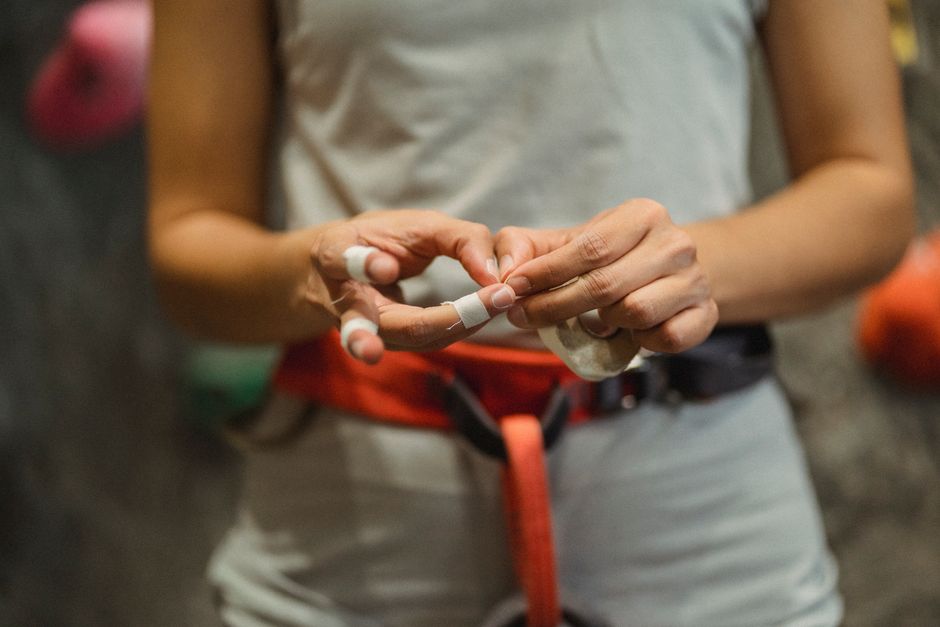
A throbbing finger after a cut is caused by inflammation, not by the cut itself. When tissue is damaged, the body releases chemicals like prostaglandins and histamine that widen blood vessels and sensitize pain nerves. That rush of blood and fluid creates swelling and pressure, and your finger feels the pulse with every heartbeat. To calm the throbbing, you stop the inflammation from building: apply steady pressure to stop bleeding, elevate the hand above heart level, apply a cold pack through a cloth for up to 20 minutes, keep the wound clean and covered, and take an over-the-counter pain reliever if you can safely use one. Most minor cuts settle within a day or two. A cut that keeps throbbing harder, swells, or turns hot and red is a different problem and needs medical care.
Why Does a Cut Throb Instead of Just Hurting?
A fresh cut triggers an inflammatory response within seconds. Blood vessels near the wound dilate so clotting factors and immune cells can reach the injury. Fluid leaks into the surrounding tissue. That combination of extra blood flow and swelling presses on pain receptors that are already sensitized by inflammatory chemicals.
The result is pain that pulses in time with your heartbeat. Each surge of blood through the widened vessels adds a little more pressure. This is why a throbbing finger often feels worse when your hand is hanging down — gravity adds to the pressure — and better when it is raised.
The throbbing is not a sign that something is wrong. It is a sign that healing has started. The same process that causes the pain is delivering the cells that will close the wound and fight off bacteria. The goal is not to shut the response down completely. The goal is to keep it from overshooting.
What Is the First Thing To Do When a Finger Cut Starts Throbbing?
Control the bleeding first, because continued bleeding keeps the wound inflamed. Wash your hands, then press a clean cloth or gauze firmly on the cut. Hold steady pressure for several minutes without lifting the cloth to check. Peeking restarts the clot.
Once bleeding slows, rinse the cut under clean running water. Gentle soap around the wound is fine, but you do not need to scrub inside it. Remove any visible dirt or grit. Pat the area dry and cover it with a bandage that holds the edges of the skin together.
Then address the throbbing directly:
- Elevate the hand. Raise it above the level of your heart. A pillow or the arm of a chair works. This reduces the blood pooling that drives the pressure.
- Apply cold. Wrap an ice pack or a bag of frozen vegetables in a thin cloth. Never put ice directly on skin. Leave it on for up to 20 minutes at a time, then take it off.
- Rest the finger. Avoid gripping, typing, or lifting with that hand for the rest of the day if you can.
- Consider a pain reliever. Ibuprofen or acetaminophen can reduce throbbing. Follow the label directions. If you have kidney disease, stomach ulcers, heart conditions, or are pregnant, check with a clinician before using ibuprofen.
Most minor cuts stop throbbing noticeably within a few hours of this routine. If the pain is climbing instead of fading, that is a signal to look closer.
Does Elevating Your Hand Really Make a Difference?
Yes, and the reason is mechanical. Throbbing comes from pressure, and pressure depends on how much fluid is sitting in the tissue. When your hand hangs below your heart, gravity pulls more blood and fluid into the finger. When you raise it, that pull reverses.
Elevation does not stop inflammation. It reduces the fluid load that makes inflammation hurt. Many clinicians recommend keeping an injured hand elevated for the first 24 to 48 hours after a cut or injury, especially if there is visible swelling.
Practical version: prop your hand on a pillow while you sit or sleep. If you are up and moving, keep the hand at chest height or higher when you can. You do not need to hold your arm straight up in the air for hours. Consistent mild elevation beats brief extreme elevation.




How Long Should a Cut Throb?
Most minor finger cuts throb for a few hours to a day. The peak is usually in the first few hours after the injury, then it fades as clotting finishes and swelling settles.
Deeper cuts, cuts on the fingertip pad, and cuts near a joint tend to hurt longer because there is more tissue involved and more movement across the wound. A cut that still throbs at the same intensity after 2 to 3 days is not following the normal pattern.
Watch for these signs that the wound is not healing as expected:
- Throbbing that gets worse instead of better after the first day
- Swelling that spreads up the finger or into the hand
- Skin that feels hot, looks red and streaky, or develops pus
- A fever, chills, or feeling generally unwell
- Red streaks running up the arm
- Numbness, tingling, or an inability to bend the finger
Any of these point toward infection or a deeper injury, and both need medical attention. Red streaks and fever are reasons to seek care the same day.
When Does a Finger Cut Need Stitches or Medical Care?
Some cuts cannot be managed at home. Get medical care if the cut is deep enough that you can see fat, muscle, or bone, if the edges will not stay together on their own, or if bleeding does not stop after 10 to 15 minutes of steady pressure.
Also seek care if the cut was caused by something dirty or rusty, if it was a bite from an animal or another person, or if the finger cannot bend normally. Tendon injuries can look like a small cut but leave the finger unable to move. That is a surgical problem, not a bandage problem.
Tetanus is worth a mention here. Deep or dirty wounds carry a higher risk of tetanus, and clinicians generally recommend a tetanus booster if it has been more than 5 years since your last one for a dirty wound, or more than 10 years for a clean minor wound. If you are unsure of your vaccination history, ask.
What Should You Not Do to a Throbbing Cut?
Some common habits make throbbing worse or slow healing. Skip these:
- Do not use hydrogen peroxide or rubbing alcohol on the wound. Both damage healthy tissue and can delay healing. Clean water is enough for most cuts.
- Do not keep unwrapping the bandage to look. Each time you disturb the clot, the wound can re-bleed and re-inflame.
- Do not apply heat. Heat increases blood flow and swelling. Cold is what you want in the first day or two.
- Do not put ice directly on skin. It can cause a cold burn. Always use a cloth barrier.
- Do not soak the finger in water for long periods. Prolonged soaking softens the skin and can let bacteria in.
One more point worth knowing: a cut that has been properly cleaned and covered does not need to be left open to “breathe.” Covered wounds stay moist, and a moist wound environment supports faster healing than a dry one. Change the bandage once a day, or sooner if it gets wet or dirty.
Can You Prevent a Cut From Throbbing So Much?
You cannot prevent the inflammatory response, but you can keep it from building. Speed matters. The sooner you apply pressure, clean the wound, and elevate the hand, the less fluid accumulates in the tissue, and the less pressure builds on pain nerves.
For people who cut their hands often — cooks, gardeners, people who work with tools — keeping a small first aid kit within reach makes a real difference. Gauze, a roll of medical tape, adhesive bandages, and a cold pack in the freezer are enough. The faster you can act, the shorter the throbbing phase tends to be.
If you take blood thinners, have diabetes, or have a condition that affects circulation or immune function, treat any finger cut more seriously from the start. These conditions can slow healing and raise infection risk. A cut that would be minor for most people may need a clinician’s eyes.
Frequently Asked Questions
How long does a cut finger throb for?
Most minor cuts throb for a few hours to about a day, peaking in the first few hours. Throbbing that stays the same or gets worse after 2 to 3 days suggests infection or a deeper injury.
Does ice actually stop a finger from throbbing?
Cold narrows blood vessels and reduces swelling, which lowers the pressure that causes throbbing. Apply a cloth-wrapped cold pack for up to 20 minutes at a time, never ice directly on skin.
Should I take ibuprofen for a throbbing finger cut?
Ibuprofen can reduce both pain and inflammation, and acetaminophen can reduce pain. Follow label directions, and check with a clinician first if you are pregnant or have kidney, stomach, or heart conditions.
When should I worry about a throbbing finger after a cut?
Worry if the throbbing worsens after the first day, or if you see spreading redness, swelling, heat, pus, red streaks up the arm, or a fever. Those signs point to infection and need medical care.
