
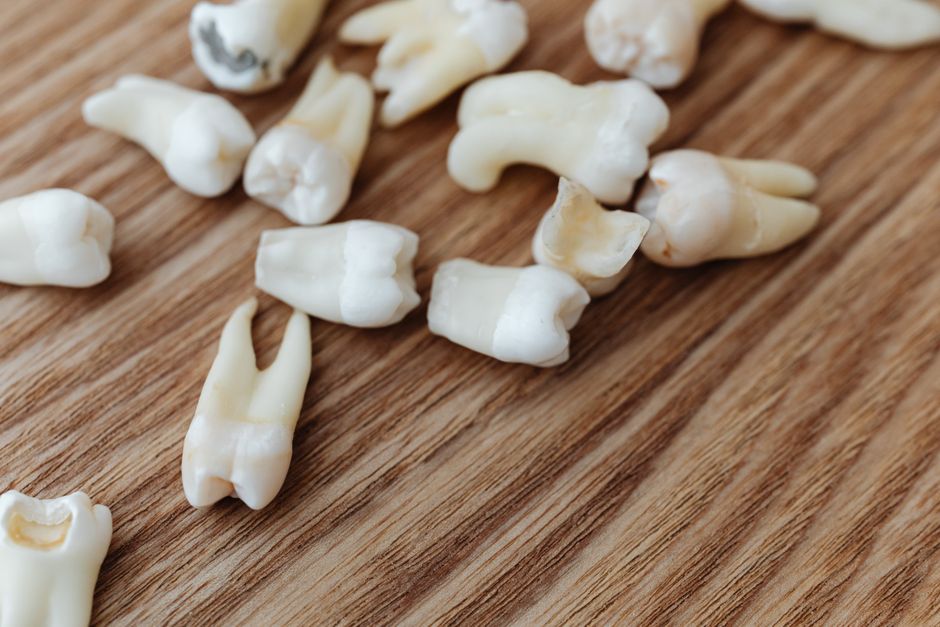
Tooth decay cannot be truly reversed once a cavity has formed, but the very earliest stage of decay—before the enamel breaks—can be stopped and even remineralized with the right at-home care. This involves a combination of fluoride, disciplined oral hygiene, and dietary changes that shift the mouth’s chemistry away from acid production. If the enamel has already formed a physical hole, only a dentist can repair it with a filling.
What Tooth Decay Actually Is
Tooth decay is an infection driven by bacteria. The mouth naturally contains hundreds of bacterial species, but a few specific ones—particularly Streptococcus mutans—thrive on sugars and fermentable carbohydrates. When these bacteria digest sugar, they produce acid as a waste product.
That acid is the direct cause of decay. It lowers the pH in your mouth and begins dissolving the minerals that make up your tooth enamel. Enamel is the hardest substance in the human body, but it is not invincible. It is made mostly of hydroxyapatite, a crystalline calcium phosphate structure that is vulnerable to acid attack.
Every time you eat sugar, your mouth enters an “acid attack” phase that lasts roughly 20 to 30 minutes. If these attacks happen frequently, the enamel loses minerals faster than your saliva can replace them. This process is called demineralization. When the loss outpaces repair, the enamel weakens and eventually collapses into a cavity.
Can You Reverse Tooth Decay At Home?
Yes, but only under strict conditions. The decay must be in the earliest stage, called an incipient lesion or a white spot lesion. At this point, the enamel is demineralized but still structurally intact—there is no hole yet. The surface may look chalky or white, and this is the only stage where reversal is possible.
Reversal happens through remineralization. Saliva naturally contains calcium and phosphate ions that can rebuild enamel, but saliva alone is often not enough. Fluoride accelerates this process significantly. When fluoride is present, it combines with calcium and phosphate to form fluorapatite, which is harder and more acid-resistant than the original enamel mineral.
Once the enamel surface breaks and a cavity forms, the process is no longer reversible. The tissue inside the tooth cannot regenerate. At this point, the decay will continue to progress unless a dentist removes the damaged tissue and places a filling. Home remedies cannot repair a structural hole.
How To Stop Tooth Decay At Home And Reverse It: The Daily Protocol
Stopping early decay requires a consistent routine. No single product or trick works alone. The evidence is strongest for a combined approach that reduces acid, strengthens enamel, and gives the mouth time to repair.
- Use fluoride toothpaste twice daily. Fluoride is the single most proven intervention for stopping early decay. Use a toothpaste containing at least 1,000 ppm fluoride. Do not rinse your mouth with water immediately after brushing—spit out the excess foam instead. Rinsing washes away the fluoride before it can penetrate the enamel.
- Wait 30 minutes after eating before brushing. Acid softens enamel temporarily. Brushing during this window can physically wear away the softened surface. Waiting allows saliva to neutralize the acid and re-harden the enamel.
- Limit sugar exposure to meal times. Frequency matters more than quantity. A single sugary drink consumed slowly over an hour is worse for your teeth than the same drink finished quickly. Each sip restarts the acid attack. Snacking on sugary or starchy foods throughout the day keeps your mouth in a constant acidic state.
- Chew sugar-free gum after meals. Chewing stimulates saliva flow, which neutralizes acid and delivers calcium and phosphate to the teeth. Look for gum sweetened with xylitol—some research indicates xylitol may also reduce the growth of decay-causing bacteria.
- Use a fluoride mouth rinse if you are at high risk. A daily rinse with a 0.05% sodium fluoride solution adds extra protection. This is particularly useful for people with dry mouth, a history of cavities, or orthodontic appliances. Use it at a different time of day than brushing to extend fluoride exposure.
This routine works by shifting the balance from demineralization to remineralization. The goal is not to eliminate all bacteria—that is impossible—but to keep the acid attacks short and infrequent enough that the enamel can repair itself between meals.




Dietary Changes That Actually Matter
Diet is not just about how much sugar you eat—it is about how often and in what form. Sticky, slow-dissolving foods are worse than foods that clear the mouth quickly. Caramels, dried fruit, and chewy candies cling to the tooth surface and prolong acid exposure. Sugary drinks are especially harmful because they bathe all tooth surfaces in sugar simultaneously.
Some foods genuinely help. Cheese, milk, and other dairy products are rich in calcium and phosphate and stimulate saliva. Research has shown that eating cheese after a sugary meal can help neutralize acid and promote remineralization. Crunchy vegetables like carrots and celery require chewing, which stimulates saliva, and their fibrous texture has a mild cleansing effect on tooth surfaces.
One clarification worth making: acidic foods like citrus fruits and tomatoes do not directly cause cavities—they do not feed bacteria. But they do erode enamel through direct acid contact. This is called dental erosion, and it is different from decay. Erosion weakens the enamel, which can make it more vulnerable to subsequent decay. If you consume acidic foods, it is best to have them with meals rather than alone, and to avoid brushing immediately afterward.
The Role Of Fluoride: Beyond Toothpaste
Fluoride is not a marketing gimmick. It is one of the most extensively studied public health interventions in history. Community water fluoridation has been in place in the United States since the 1940s, and the decline in tooth decay rates since then is well documented.
Fluoride works in three ways. First, it promotes remineralization by attracting calcium and phosphate to the enamel surface. Second, it makes the enamel more resistant to future acid attacks by converting hydroxyapatite into the more durable fluorapatite. Third, it interferes with the metabolism of decay-causing bacteria, reducing their acid production.
If you only drink bottled water, you may be missing out on the protective effect of fluoridated tap water. Check whether your local water supply is fluoridated. If you rely on a home water filter, be aware that some reverse osmosis systems remove fluoride along with contaminants. If you have a history of cavities, this matters.
What Cannot Stop Or Reverse Tooth Decay
Social media is full of claims that certain natural substances can reverse cavities. The evidence does not support these claims. Oil pulling—swishing coconut or sesame oil in your mouth for 15 to 20 minutes—has some antibacterial effects in laboratory studies, but no clinical evidence shows it can remineralize enamel or reverse decay. It does not remove plaque effectively and should never replace brushing.
Vitamin D supplementation is sometimes promoted as a cavity cure. Vitamin D does help the body absorb calcium, and severe deficiency is linked to poor bone health, but there is no evidence that taking vitamin D supplements reverses existing tooth decay. The same applies to calcium supplements. Unless you have a diagnosed deficiency, extra calcium will not strengthen teeth that are already under acid attack.
Clove oil, turmeric paste, and other herbal remedies may temporarily soothe toothache, but they do not treat the underlying decay. A cavity is a structural defect. No herb or oil can rebuild lost enamel. At best, these substances mask pain, which can delay necessary dental treatment and allow the decay to spread deeper into the tooth.
When Home Care Is Not Enough
If you feel a rough edge with your tongue, see a visible dark spot, or experience sensitivity to sweet, hot, or cold foods, the decay has likely progressed beyond the remineralization stage. Pain is a late sign—it usually means the decay has reached the dentin or the pulp, the innermost part of the tooth containing nerves and blood vessels.
At this point, home care cannot stop the process. The decay will continue to spread, and delaying treatment leads to larger fillings, root canals, or extraction. If you suspect you have a cavity, see a dentist for an examination. Early intervention is always less invasive and less expensive than treating advanced decay.
Regular dental checkups are part of prevention. Dentists can detect early lesions that you cannot see or feel, and professional fluoride varnishes applied in the office provide a higher concentration of fluoride than any home product. For people at high risk of decay, dentists may also recommend prescription-strength fluoride toothpaste.
Frequently Asked Questions
Can baking soda reverse tooth decay?
No. Baking soda can neutralize acid and help remove surface stains, but it cannot rebuild enamel that has been lost to decay. It is not a substitute for fluoride.
How long does it take to reverse early tooth decay?
With consistent fluoride use and dietary changes, early white spot lesions can remineralize over several weeks to a few months. The timeline varies based on the severity of the lesion and how consistently you follow the routine.
Does oil pulling cure cavities?
No clinical evidence shows that oil pulling can reverse tooth decay. It may reduce bacteria in the mouth, but it cannot repair enamel or stop an active cavity, and it should never replace brushing with fluoride toothpaste.
Can tooth decay spread from one tooth to another?
Tooth decay itself does not spread between teeth, but the bacteria that cause it do. These bacteria can move through the mouth, so untreated decay in one area increases the risk of developing decay in other teeth.
