
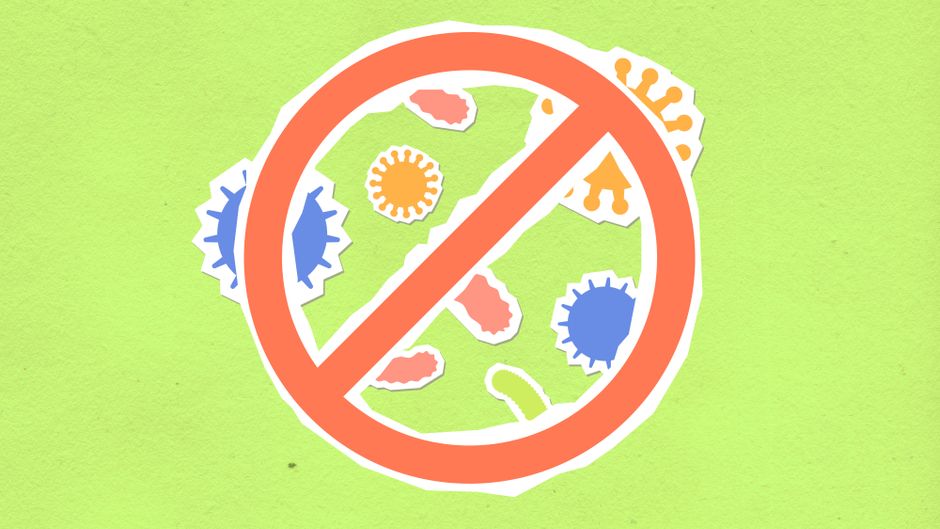
Norovirus spreads fast, and it spreads easily. One infected person can shed billions of viral particles, and it takes fewer than 20 of them to make someone else sick. That is why one case in a household often becomes several within days. The good news is that you can stop it. The virus does not survive every cleaning product, and it does not resist every habit. You need bleach-based cleaners, strict handwashing with soap and water, and careful handling of laundry and food. Here is exactly how to stop the spread of norovirus at home.
Why Is Norovirus So Easy To Catch At Home?
Norovirus is extremely contagious because it acts fast and survives well outside the body. The virus lives on surfaces for days or even weeks. It survives hand sanitizer, which is why hand sanitizer is not enough — you need soap and water.
The virus spreads through tiny particles of vomit or stool. You can catch it by touching a contaminated surface and then touching your mouth. You can catch it from food prepared by someone who is infected. You can even catch it from the air if someone vomits nearby, because the particles become aerosolized and settle on surfaces.
In a home, the bathroom and the kitchen are the highest-risk areas. The toilet flush can spray viral particles into the air. Shared towels, faucet handles, light switches, and refrigerator handles all become transmission points.
What Cleaning Products Actually Kill Norovirus?
Not all disinfectants kill norovirus. Many common household cleaners labeled as disinfectants do not work against it because norovirus has no outer envelope, making it harder to destroy.
The most reliable option is a bleach solution. The CDC recommends a solution of 5 to 25 tablespoons of household bleach per gallon of water, or about 1/3 to 2/3 cup per gallon. For everyday use, a simpler ratio is 1 part bleach to 9 parts water. This mixture should be made fresh each time you clean because bleach breaks down quickly after dilution.
If you prefer not to use bleach, look for disinfectants specifically registered as effective against norovirus. Check the label. The product must state that it kills norovirus. General “disinfectant” claims are not enough.
Hydrogen peroxide-based cleaners can also work, but again, the label must specifically list norovirus. Do not assume a product works just because it kills other viruses like influenza or the common cold.
How To Clean And Disinfect High-Touch Surfaces
Start with the bathroom. If someone in the home is sick, clean the bathroom daily while they are ill and for at least two days after symptoms stop.
Put on disposable gloves and ideally a mask if you are cleaning up vomit or stool. Remove any visible mess first with paper towels. Then apply the bleach solution to the entire area, including the toilet seat, flush handle, sink faucet, soap dispenser, and door handles. Let the bleach solution sit on surfaces for at least five minutes. This contact time matters — wiping it off immediately does not give the bleach time to kill the virus.
In the kitchen, disinfect countertops, cabinet handles, refrigerator handles, and any surface used for food preparation. Wash all dishes, utensils, and cutting boards in the dishwasher if possible. The heat of a dishwasher cycle kills norovirus. If washing by hand, use hot soapy water and rinse thoroughly.
Do not forget less obvious surfaces: TV remotes, light switches, phones, keyboards, and doorknobs. These get touched constantly and are often forgotten during cleaning.



How To Handle Laundry Safely
Laundry can spread norovirus if handled incorrectly. Contaminated clothing, bedding, and towels carry the virus, and shaking them releases viral particles into the air.
Wear gloves when handling soiled laundry. Do not shake the items. Carry them carefully to the washing machine and place them directly in.
Wash contaminated items separately from other laundry. Use the hottest water setting the fabric allows. Machine drying on high heat adds another layer of protection. After handling the dirty laundry, remove your gloves and wash your hands immediately with soap and water.
If a child or adult vomited on bedding or clothing, remove the solid material carefully with paper towels before washing. Dispose of those paper towels in a sealed plastic bag.
Why Handwashing Matters More Than Hand Sanitizer
Hand sanitizer does not reliably kill norovirus. Studies have shown that alcohol-based sanitizers have limited effectiveness against this specific virus. Soap and water are the only reliable hand hygiene method.
Wash your hands thoroughly and frequently, especially after using the bathroom, before eating, and before preparing food. Scrub for at least 20 seconds. Pay attention to your fingertips and under your nails, where virus particles hide.
If you are caring for someone who is sick, wash your hands after every interaction with them, after touching anything they have touched, and before touching your own face or food.
During the illness and for at least two days after symptoms end, everyone in the household should be diligent about handwashing. People can shed the virus for days after they feel better.
How To Handle Food To Prevent Norovirus Spread
Foodborne norovirus outbreaks are common because the virus spreads easily through food preparation. If someone in your home is sick, they should not prepare food for others until at least two days after their symptoms stop.
Wash all fruits and vegetables thoroughly before eating. Norovirus can survive on produce that was contaminated during growing, harvesting, or handling. Cooking kills the virus, but raw items like salads and berries carry risk.
Shellfish, especially oysters, are a common source of norovirus. They filter water and can concentrate the virus. Cook shellfish thoroughly. Steaming just until the shells open is not enough to guarantee safety.
Anyone who is sick should not handle food at all. If they must be in the kitchen, they should wash their hands before touching anything and avoid preparing food for others entirely.
What To Do When Someone Vomits In Your Home
Vomiting releases aerosolized virus particles that can contaminate a wide area. The CDC recommends closing the bathroom or room door and keeping people away from the area for at least two hours after a vomiting episode. This allows airborne particles to settle.
Put on gloves and a mask before entering. Open windows if possible for ventilation. Remove visible vomit with paper towels and place them in a sealed plastic bag. Then clean and disinfect the entire area with a bleach solution, including nearby walls and floors if splashing occurred.
Do not use a vacuum cleaner to clean up vomit. Vacuuming can aerosolize the virus further. Use paper towels and disposable cleaning cloths only.
After cleaning, remove your gloves carefully and dispose of them. Wash your hands thoroughly with soap and water. Any cloths or mops used should be washed in hot water or disposed of.
How Long Should Precautions Continue After Symptoms Stop?
People are most contagious while they have symptoms and for the first few days after recovery. However, the virus can still be shed in stool for up to two weeks after symptoms resolve.
In practical terms, continue strict cleaning and handwashing for at least two days after the last person in the household recovers. After that, continue normal handwashing habits, but you can relax the intensive daily disinfection.
People who have been sick should not prepare food for others for at least two days after symptoms stop. Children should stay home from school or daycare for the same period. This timeline aligns with standard public health guidance for norovirus.
Frequently Asked Questions
Does hand sanitizer kill norovirus?
No. Alcohol-based hand sanitizers do not reliably kill norovirus. Wash your hands with soap and water for at least 20 seconds instead.
Can you get norovirus from the air?
Yes, when someone vomits, viral particles become airborne and can settle on surfaces or be inhaled. Stay away from the area for at least two hours after a vomiting episode.
How long does norovirus live on surfaces?
Norovirus can survive on hard surfaces for days or even weeks. This is why thorough disinfection with a bleach solution is essential.
Is bleach the only cleaner that kills norovirus?
No, but it is the most reliable. Some hydrogen peroxide-based disinfectants also work if the label specifically lists norovirus. General disinfectants may not kill it.
