
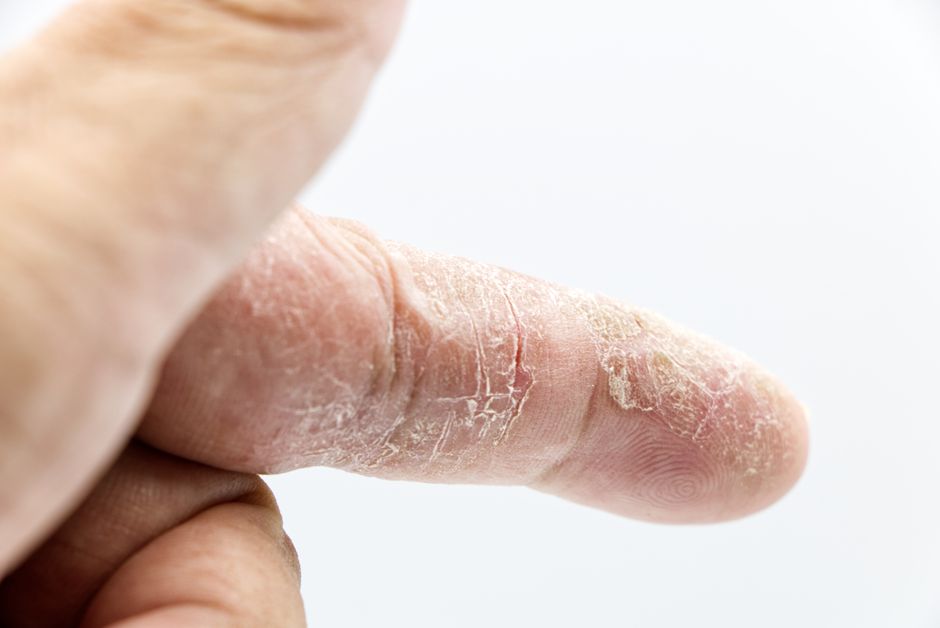
Leprosy, also known as Hansen’s disease, spreads through prolonged, close contact with an untreated person who has the infection. It is not highly contagious, and most people — about 95% of the population — have natural immunity and will never get it even with exposure. The bacteria Mycobacterium leprae spreads mainly through respiratory droplets when an infected person coughs or sneezes, but casual contact like shaking hands or sitting near someone does not transmit it.
What Exactly Is Leprosy and Who Gets It?
Leprosy is a chronic infectious disease that mainly affects the skin, peripheral nerves, upper respiratory tract, and eyes. It has been around for thousands of years and carries a heavy social stigma, but modern medicine has changed everything. The World Health Organization reports that over 200,000 new cases are diagnosed globally each year, mostly in parts of Asia, Africa, and South America.
In the United States, cases are rare — around 150 to 200 per year. Most occur in people who have lived or worked in countries where leprosy is more common. The CDC tracks these cases closely. Contrary to old myths, leprosy is not a punishment or a curse. It is a bacterial infection that responds well to treatment.
How Does Leprosy Spread Between People?
The bacteria Mycobacterium leprae is the cause. It multiplies very slowly — the incubation period can be anywhere from 5 to 20 years. This slow growth is part of why the disease is so hard to study and why outbreaks seem to appear out of nowhere.
Transmission happens through droplets from the nose and mouth during prolonged, close contact with an untreated person. You cannot catch it from a brief handshake, a hug, or sitting across a table. The risk comes from living in the same household with someone who has untreated leprosy for months or years.
Research published in Clinical Microbiology Reviews confirms that the bacteria cannot survive long outside the human body. It does not live on surfaces, clothing, or bedding for more than a few hours. This makes casual transmission nearly impossible.
Can You Get Leprosy From Animals or the Environment?
Yes, but this is rare and not a major concern for most people. Nine-banded armadillos in the southern United States can carry Mycobacterium leprae. Some studies suggest that handling or eating armadillo meat may be a source of infection in humans. The CDC has documented cases linked to armadillo exposure, but these are uncommon.
There is also evidence that the bacteria can survive in soil and water in certain tropical environments. Some researchers believe this may play a role in transmission in areas with poor sanitation. However, direct person-to-person spread through respiratory droplets remains the primary route.
What about red squirrels in the UK? Some squirrels carry the bacteria, but there are no confirmed cases of transmission to humans. This is more of a curiosity than a real public health risk.





What Factors Increase the Risk of Getting Leprosy?
Most people never get leprosy even with heavy exposure. The key factor is your immune system. About 95% of people have natural immunity to Mycobacterium leprae. For the remaining 5%, the risk increases under certain conditions.
| Risk Factor | How It Increases Risk | Strength of Evidence |
|---|---|---|
| Close household contact with untreated case | Prolonged exposure to respiratory droplets over months or years | Strong — confirmed by multiple studies |
| Genetic susceptibility | Certain immune system genes make people more vulnerable | Moderate — research in Nature Genetics found specific variants |
| Armadillo exposure | Handling or eating infected armadillos in endemic areas | Weak to moderate — documented but rare |
| Poor nutrition and crowded living | May weaken immune defenses and increase exposure time | Moderate — linked in population studies |
| Brief casual contact | No increased risk | Strong — no evidence of transmission |
People with a family history of leprosy may be at slightly higher risk due to shared genetics. But even then, the absolute risk remains very low. Living in a region where leprosy is common is not enough — you need close, sustained contact with an untreated person.
How Is Leprosy Diagnosed and Treated Today?
Diagnosis is based on clinical signs. Doctors look for skin patches that are lighter than the surrounding skin, numbness in those patches, thickened nerves, and loss of sensation in the hands or feet. A skin smear or biopsy can confirm the presence of bacteria.
Treatment is straightforward and highly effective. The World Health Organization provides free multidrug therapy consisting of three antibiotics: dapsone, rifampicin, and clofazimine. Treatment lasts 6 to 12 months for the milder form and 12 to 24 months for the more severe form.
Once treatment begins, the person becomes non-infectious within days. This is a critical point. Many people do not realize that leprosy is curable and that patients are not contagious once they start medication. The stigma is far worse than the disease itself.
What Are Common Misconceptions About Leprosy Spread?
There are many myths. Here are the most persistent ones and what the evidence actually says.
- Myth: Leprosy is highly contagious. Fact: It is one of the least contagious infectious diseases. Most people are immune.
- Myth: You can catch it from touching someone. Fact: Brief contact does not transmit the bacteria. Only prolonged, close contact with an untreated person poses any risk.
- Myth: Leprosy causes body parts to fall off. Fact: The bacteria damage nerves, leading to numbness. Injuries go unnoticed and become infected. The tissue damage is secondary, not caused by the bacteria itself.
- Myth: There is no cure. Fact: Multidrug therapy cures leprosy completely. The WHO has treated millions successfully.
- Myth: Leprosy is gone from the world. Fact: Over 200,000 new cases are reported each year. It is still present in many countries.
The biggest misconception is that leprosy is a disease of the past. It is not. But it is also not the terrifying plague that history books describe. With modern treatment, it is a manageable bacterial infection.
What Should You Do If You Think You Have Been Exposed?
If you have had prolonged, close contact with someone diagnosed with leprosy — meaning you lived with them or spent many hours together daily — talk to your doctor. A single blood test called the PGL-I antibody test can check for past exposure. However, this test is not routinely available in most clinics.
The CDC recommends monitoring for symptoms for up to 20 years after exposure. That sounds alarming, but remember: the risk of actually developing leprosy is extremely low. Most exposed people never get sick.
If you develop a skin patch that is lighter than your normal skin and feels numb, see a dermatologist. Early diagnosis prevents nerve damage and disability. Treatment is simple and free through the WHO if you live in an endemic country.
For people in the United States, the National Hansen’s Disease Program provides consultation and treatment at no cost. This program is run by the federal government and has clinics in several states.
Frequently Asked Questions
Can leprosy spread through sexual contact?
No. Leprosy is not a sexually transmitted infection. It spreads through respiratory droplets during prolonged close contact.
How long does it take for leprosy symptoms to appear after exposure?
Symptoms usually appear 5 to 20 years after infection. The bacteria multiply very slowly in the body.
Is leprosy airborne like tuberculosis?
Not exactly. It spreads through droplets but requires prolonged close contact. It is far less contagious than tuberculosis.
Can you get leprosy from sharing a towel or bed sheets?
No. The bacteria cannot survive long on surfaces. Household transmission requires direct respiratory contact over months.
