
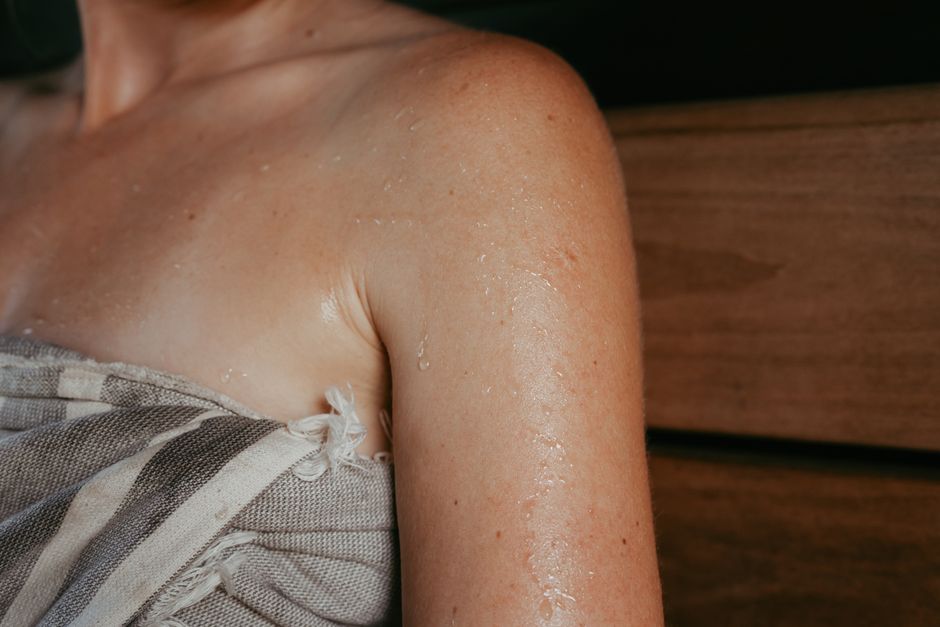
Sweating is your body’s cooling system, and it works whether you want it to or not. If you feel like you sweat more than the people around you, the first useful step is understanding which kind of sweating you have. Ordinary heavy sweating responds well to antiperspirants, clothing choices, and habit changes. Sweating that soaks through clothes, disrupts your sleep, or started suddenly may point to something a doctor should evaluate.
How To Stop Sweating So Much: What Actually Works
Antiperspirants are the most effective over-the-counter option, and the key word is antiperspirant, not deodorant. Deodorant masks odor. Antiperspirant reduces sweat by blocking the ducts that carry sweat to your skin surface.
The active ingredients are usually aluminum-based compounds, such as aluminum chloride or aluminum zirconium. They work by forming a temporary plug in the sweat duct. That plug slows the flow of sweat. This is a well-established mechanism, not a marketing claim.
Application matters more than most people realize. Antiperspirant works best on dry skin, ideally at night before bed. Sweat glands are less active while you sleep, so the product has time to form its plug. Wash it off in the morning. You can reapply in the morning if you want, but the nighttime application is doing most of the work.
Give any new antiperspirant a couple of weeks of consistent use before deciding it does not work. If regular strength does not help, clinical strength products with higher aluminum concentrations are available without a prescription. Some people find these irritating, especially on freshly shaved skin.
Why Do Some People Sweat More Than Others?
Sweat volume varies enormously between healthy people. Two people of the same age, weight, and fitness level can sweat very different amounts during the same activity. That range is normal.
Several factors drive the difference:
- Genetics. Sweat gland density and activity run in families.
- Fitness level. Trained people often start sweating sooner and more heavily during exercise. This is an efficient cooling response, not a problem.
- Body weight. Larger bodies generate more heat and tend to sweat more.
- Sex. Men often sweat more than women on average, though individual variation is large.
- Age. Sweating capacity tends to decline with age.
- Temperature, humidity, and clothing. Humidity slows sweat evaporation, so sweat builds up on the skin.
There is a difference between sweating a lot during exercise or heat and sweating excessively at rest. The first is normal physiology. The second is worth mentioning to a doctor.
When Is Heavy Sweating a Medical Condition?
Excessive sweating without an obvious trigger is called hyperhidrosis. It affects roughly 4.8 percent of people in the United States, according to population estimates published in the Journal of the American Academy of Dermatology. Many of those people never mention it to a clinician, even though treatment exists.
Hyperhidrosis usually shows up in specific areas: palms, soles, underarms, or face. It typically starts in childhood or adolescence. People with it often sweat through clothing, avoid handshakes, or find that sweat interferes with daily tasks like holding a pen.
There is also secondary sweating, which means another condition is driving it. Causes worth ruling out include thyroid disorders, diabetes, menopause, certain infections, some medications, and rarely, some cancers. This is why sudden sweating that is new, drenching, or accompanied by fever, weight loss, or chest symptoms needs medical attention rather than a stronger antiperspirant.
Night sweats are a specific flag. Some are harmless, but drenching night sweats that soak sheets repeatedly are a reason to see a doctor.

What Prescription Treatments Exist for Excessive Sweating?
When over-the-counter antiperspirants are not enough, clinicians have several options. None of these is a first-line choice for ordinary sweating, and all involve tradeoffs.
Prescription antiperspirants contain higher concentrations of aluminum chloride than drugstore products. They are commonly prescribed for underarm and palm sweating. Skin irritation is the main drawback.
Oral medications called anticholinergics reduce sweating across the body by blocking the nerve signals that trigger sweat glands. They can cause dry mouth, blurred vision, and urinary retention. They are not appropriate for everyone.
Botulinum toxin injections into the affected area block the nerve signals to sweat glands. Effects typically last several months, and repeat injections are needed. This is an established treatment for underarm sweating and is used in some other areas as well.
Iontophoresis uses a mild electrical current passed through water to reduce sweating, mainly on the palms and soles. It requires repeated sessions.
Microwave therapy and surgery exist for severe cases. Surgery for sweating carries real risks, including compensatory sweating elsewhere on the body, and is generally reserved for cases that have not responded to other approaches.
Which option fits depends on the location, severity, and cause. That is a conversation with a dermatologist, not a decision to make from an article.
Everyday Habits That Reduce Sweating
These steps will not eliminate heavy sweating, but they reduce how much you notice it and how much it disrupts your day.
- Choose loose, breathable fabrics. Cotton, linen, and moisture-wicking synthetics move sweat away from skin better than tight or non-breathing materials.
- Dress in layers so you can remove one when you warm up.
- Limit caffeine and alcohol if you notice they trigger flushing or sweating for you. Both can affect body temperature regulation, though individual responses vary.
- Watch spicy foods if they reliably set off sweating. This is a real trigger for some people and irrelevant for others.
- Manage stress where you can. Emotional stress activates sweat glands, particularly on the palms and soles.
- Keep a small towel or absorbent undershirt on hand for situations you know will trigger sweating.
- Shower regularly and dry thoroughly. Sweat itself is odorless. Odor comes from bacteria on the skin breaking sweat down.
One clarification worth making: sweat does not “detox” your body in any meaningful way. Sweat is mostly water with small amounts of electrolytes. Your liver and kidneys handle waste removal. No product that claims to flush toxins through sweat is supported by evidence.
Does Diet or Hydration Affect How Much You Sweat?
Hydration affects how well you tolerate heat, not how much you sweat at rest. Being well hydrated supports normal sweating during exercise and heat exposure. Being dehydrated can impair your body’s ability to regulate temperature, which is a safety issue, not a sweating-volume issue.
There is no diet that has been shown to reduce excessive sweating. Some people report that cutting caffeine or alcohol helps. That is plausible for individuals but has not been established as a general treatment.
Electrolyte replacement matters during prolonged heavy sweating, such as long exercise in heat. For everyday sweating, water is enough for most people.
What About Antiperspirant Safety Concerns?
The claim that antiperspirants cause breast cancer or Alzheimer’s disease has circulated for years. The evidence does not support it.
Major reviews, including work published in the Journal of the National Cancer Institute and other peer-reviewed sources, have not found a link between antiperspirant use and breast cancer. The Alzheimer’s concern centers on aluminum absorption. Studies have not shown that antiperspirant use raises aluminum levels in the body to a degree linked with disease.
This does not mean every product is right for every person. Some people get skin irritation, especially with higher-strength formulas. If that happens, a different formulation or a dermatologist’s input can help.
What is worth taking seriously is the opposite problem: avoiding antiperspirant because of a debunked fear and then living with untreated heavy sweating that affects work, sleep, and social life.
When Should You See a Doctor About Sweating?
See a clinician if sweating is new, sudden, or different from your usual pattern. Also see one if it happens at night without a clear cause, if it comes with fever, weight loss, or chest discomfort, or if it interferes with daily life despite over-the-counter treatment.
Bring specific details. Note when the sweating happens, which body areas are involved, how long it lasts, and what makes it better or worse. That information helps a clinician decide whether this is primary hyperhidrosis or a sign of something else.
Heavy sweating is common and often manageable. It is also sometimes a signal worth checking. Both things are true.
Frequently Asked Questions
How can I stop sweating so much naturally?
No natural remedy has been shown to eliminate excessive sweating, but breathable clothing, stress management, and avoiding personal triggers like caffeine or spicy food can reduce how much you notice it. For most people, antiperspirant remains the most effective non-prescription option.
Does antiperspirant actually stop sweating or just cover it up?
Antiperspirant reduces sweat by forming a temporary plug in the sweat duct, which is different from deodorant, which only addresses odor. It does not stop sweating entirely, but it can meaningfully reduce it with consistent nighttime use.
Is sweating a lot a sign of a health problem?
Sweating heavily during exercise or heat is normal, but sweating excessively at rest, at night, or in a new pattern can signal an underlying condition such as a thyroid disorder or diabetes. New or drenching sweating should be evaluated by a doctor.
Do antiperspirants cause cancer or Alzheimer’s disease?
Large reviews have not found a link between antiperspirant use and either breast cancer or Alzheimer’s disease. Skin irritation is the most common real concern with these products.
