
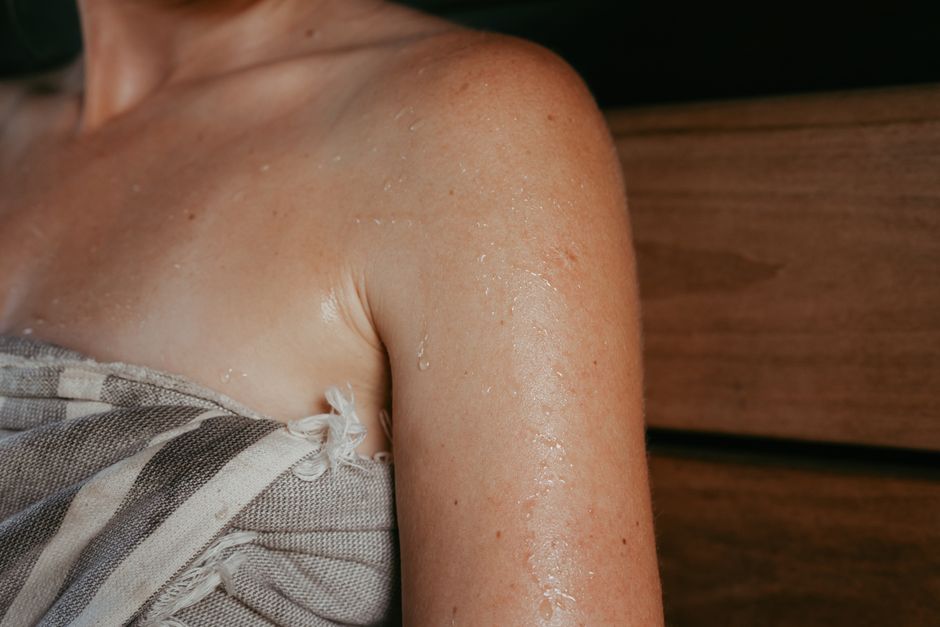
Sweating is how your body cools itself down. When you sweat far more than the situation calls for — soaking through a shirt during a meeting, waking up in drenched sheets, or dripping from your palms while sitting still — the cause is usually an overactive signal from the nervous system to your sweat glands, not a sign that you are simply “out of shape” or overheating. Profuse sweating, medically called hyperhidrosis, can be a condition on its own or a symptom of something else going on in the body. Figuring out which one matters, because the two are handled very differently.
What Causes Profuse Sweating?
There are two broad categories of causes, and most people fall into the first one.
Primary hyperhidrosis is a condition where the sweat glands themselves are normal, but the nerve signals telling them to fire are turned up too high. It usually starts in childhood or the teen years and tends to run in families. The sweating is typically focused — palms, soles, underarms, or the face — and it happens on both sides of the body equally. It often shows up during waking hours and stops during sleep. That pattern is a strong clue that the cause is the nervous system itself.
Secondary hyperhidrosis means another condition or a medication is driving the sweating. This type is more likely to start in adulthood, to involve the whole body rather than just the palms or underarms, and to happen at night. That said, these are tendencies, not rules. A doctor cannot reliably separate the two just by listening to your description.
The distinction matters because treating secondary sweating means treating the underlying cause. If a medication is responsible, adjusting it may resolve the problem. If a medical condition is responsible, the sweating is a signal worth investigating rather than just a nuisance to suppress.
What Medical Conditions Cause Excessive Sweating?
Several conditions are well established as causes of heavy sweating.
- Hyperthyroidism. An overactive thyroid speeds up metabolism and heat production, which the body tries to offset by sweating more. This often comes with weight loss, a fast heart rate, and feeling unusually warm.
- Diabetes and low blood sugar. A drop in blood sugar can trigger a surge of adrenaline, which causes sweating along with shakiness and a racing heart. This is a recognized warning sign of hypoglycemia.
- Menopause. Changing estrogen levels affect the body’s temperature regulation, producing hot flashes and night sweats. This is one of the most common causes of new sweating in women in midlife.
- Infections. Fever from any infection produces sweating, and certain chronic infections are classically associated with night sweats.
- Anxiety and panic. The fight-or-flight response directly activates sweat glands, especially on the palms and forehead.
- Some cancers, particularly lymphomas. Drenching night sweats are a recognized symptom, though cancer is a far less common cause than the conditions above. This is why persistent unexplained night sweats deserve a medical evaluation rather than a guess.
- Heart problems. Sweating along with chest pain, shortness of breath, or nausea can signal a heart attack and is a medical emergency.
This list is not a checklist to self-diagnose from. It is a reason to see a clinician if sweating is new, widespread, or happening at night.
Can Medications and Supplements Cause Heavy Sweating?
Yes, and this is one of the most overlooked causes. Several common medication classes list sweating as a known side effect.
Antidepressants, particularly SSRIs and SNRIs, can cause sweating. So can opioid pain medications, some blood pressure drugs, diabetes medications, and hormone therapies. Thyroid replacement medication taken at too high a dose can also produce it. Some supplements and stimulants do the same.
If sweating started after a new prescription or a dose change, that timing is worth mentioning to your prescriber. Do not stop a medication on your own. Many of these drugs are unsafe to discontinue abruptly, and the fix is often a dose adjustment or a switch — decisions that belong with the prescriber.





Why Do Some People Sweat More Than Others?
Some of this is simply normal variation. Sweat gland density, body size, fitness level, and how efficiently your body handles heat all differ from person to person. People who are physically fit often start sweating sooner and more heavily during exercise because their bodies have learned to cool down early and efficiently. That is a sign of a well-tuned cooling system, not a problem.
Environment and behavior matter too. Humidity slows evaporation, so sweat pools on the skin instead of cooling you. Hot drinks, spicy food, caffeine, alcohol, and nicotine can all trigger sweating in some people.
There is a less obvious point here worth knowing. Sweating heavily during exercise is not a reliable measure of fitness or effort. Two people doing identical work can sweat very different amounts based on genetics and heat acclimation, so comparing yourself to the person on the next treadmill tells you almost nothing useful.
When Is Profuse Sweating a Medical Emergency?
Most heavy sweating is not an emergency. Some of it is.
Seek emergency care if sweating comes with chest pain or pressure, shortness of breath, nausea, lightheadedness, or pain spreading to the arm, jaw, or back. These can be signs of a heart attack, and sweating is a common part of that picture.
Also treat it as urgent if heavy sweating appears suddenly with a high fever, confusion, a rapid pulse, or cold and clammy skin. Cold, clammy sweating combined with weakness can point to shock or a serious drop in blood sugar, both of which need immediate attention.
For sweating that is not an emergency but is persistent, drenching at night, or affecting your daily life, the right next step is a scheduled visit with a clinician. That is a different situation from an emergency, and it can usually wait for an appointment — but it should not be ignored indefinitely.
How Do Doctors Figure Out the Cause?
There is no single test for sweating. The evaluation is mostly a careful history and physical exam.
A clinician will ask when the sweating started, where on the body it happens, whether it occurs during sleep, what medications you take, and whether you have other symptoms like weight change, fever, or a racing heart. They will check for signs of thyroid, blood sugar, or hormonal problems.
Blood tests are often used to look at thyroid function, blood glucose, and other markers depending on what the history suggests. Imaging or other testing is reserved for cases where the story points somewhere specific.
One thing worth knowing: there is no blood test that diagnoses primary hyperhidrosis. It is diagnosed by pattern and by ruling out other causes. That is why the history matters so much, and why a clear description of your sweating — when, where, and how much — is genuinely useful to bring to the appointment.
What Helps With Profuse Sweating?
Treatment depends entirely on the cause, which is why identifying it comes first. For secondary sweating, addressing the underlying condition or medication is the main path.
For primary hyperhidrosis, several options exist. Clinical guidance generally starts with antiperspirants containing aluminum salts, which physically block sweat ducts. Stronger prescription-strength versions are available. Other options include medications that reduce nerve signals, procedures that target the sweat glands, and in some cases surgery. Each has trade-offs, and results vary between people.
The evidence base is not equally strong for every option. Antiperspirants and certain medical and procedural treatments have reasonably consistent support. Some approaches are used in practice with less robust trial evidence behind them. A clinician familiar with hyperhidrosis can walk through which options fit your situation and what is realistic to expect. No treatment works for everyone, and none is a guaranteed fix.
Simple measures can reduce discomfort even when they do not solve the underlying issue — breathable fabrics, keeping the environment cool, and limiting known triggers like caffeine, alcohol, and spicy food. These help manage symptoms. They do not treat a medical cause.
Frequently Asked Questions
What is the most common cause of profuse sweating?
The most common cause is primary hyperhidrosis, a condition where overactive nerve signals drive normal sweat glands to produce too much sweat. It usually begins in childhood or the teen years and often runs in families.
What causes excessive sweating at night?
Night sweats can be caused by menopause, infections, some medications, low blood sugar, and certain cancers such as lymphomas. Because the range of causes is wide, persistent night sweats should be evaluated by a clinician rather than self-diagnosed.
Can anxiety cause profuse sweating?
Yes. Anxiety activates the body’s fight-or-flight response, which directly stimulates sweat glands, especially on the palms and forehead. This type of sweating typically happens during waking hours and eases when the anxiety settles.
When should I worry about excessive sweating?
Get emergency care if sweating comes with chest pain, shortness of breath, or fainting, since these can signal a heart attack. See a clinician soon if sweating is new, widespread, drenching at night, or interfering with daily life.
