
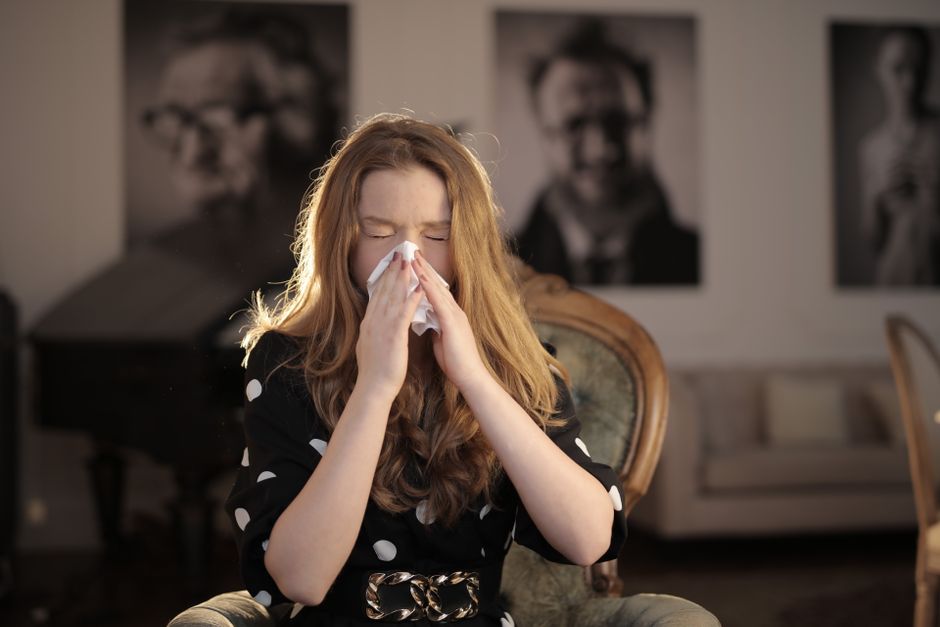
Sneezing is one of the body’s most basic reflexes, but when it happens in bursts, it can be exhausting and frustrating. Most sneezes are harmless and stop on their own within a few seconds. To stop a sneeze, you need to disrupt the trigger—usually an irritant in your nose—or interrupt the reflex itself. The most reliable approach is to address the cause, whether that is allergies, a cold, or a dry environment. For immediate relief, techniques like breathing through your mouth, pressing your tongue to the roof of your mouth, or gently pinching your nose can help. You should worry when sneezing comes with severe symptoms like high fever, facial pain, or shortness of breath, or when it lasts for weeks without a clear cause.
Why Do We Sneeze?
Sneezing is a protective reflex. It clears your nasal passages of irritants like dust, pollen, smoke, or germs. When something touches the lining of your nose, a signal travels to your brain, which triggers a rapid, forceful burst of air out through your nose and mouth.
This reflex is fast and automatic. You do not control it consciously. The entire process—from irritation to the sneeze itself—takes only a few seconds. It is your body’s way of keeping your airways clear and protecting your lungs from debris.
Some people sneeze when they step into bright sunlight. This is called the photic sneeze reflex, and it affects about 18 to 35 percent of people. It is a genetic trait, not a medical condition. It is harmless, though it can be surprising.
What Triggers a Sneezing Fit?
Most sneezing fits come from one of three sources: allergies, infections, or irritants. Knowing which one you are dealing with changes how you stop it.
Allergies are a common cause. Pollen, dust mites, pet dander, and mold can all trigger a histamine release in your body. That release makes your nose itch, run, and sneeze. If your sneezing is seasonal or happens around certain animals or environments, allergies are likely.
Infections like the common cold or flu cause sneezing too. The virus inflames the nasal lining, which triggers the reflex. Unlike allergies, colds usually come with other symptoms like a sore throat, cough, or low-grade fever.
Irritants in the air can also cause sneezing. Cigarette smoke, strong perfumes, cleaning chemicals, and air pollution all irritate the nasal passages. Dry indoor air, especially in winter, can dry out your nasal lining and make it more sensitive.
Sometimes sneezing is simply a response to a sudden change in temperature or humidity. Walking from a cold street into a warm building can trigger it. This is not a sign of illness.
How To Stop Sneezes: Immediate Relief
When you feel a sneeze coming, you have a few seconds to interrupt it. These techniques work for many people, though none are guaranteed every time.
- Breathe through your mouth. This bypasses the nasal passage and reduces the airflow that carries irritants deeper into your nose.
- Press your tongue against the roof of your mouth. This creates pressure that can interrupt the reflex signal.
- Gently pinch your nose closed. This physically blocks the sneeze. Do not hold it too tightly or for too long.
- Look down at the floor. Some people find that redirecting your gaze changes the reflex. This is not well studied, but it is harmless to try.
These are temporary measures. They stop the sneeze in the moment, but they do not stop the cause. If the irritant stays in your nose, you may sneeze again within minutes.
One important warning: never hold in a sneeze by pinching your nose and closing your mouth completely. The pressure from a suppressed sneeze can cause injury, including damage to the eardrum or, in rare cases, ruptured blood vessels. Let the sneeze out if you cannot stop it safely.





Long-Term Relief: Managing the Trigger
To stop sneezing for more than a few minutes, you have to manage what is causing it. For allergies, that means reducing exposure and, in some cases, using medication.
If pollen is the trigger, keep windows closed during high-pollen times and change clothes after being outdoors. If dust mites are the issue, wash bedding in hot water weekly and use allergen-proof covers on pillows and mattresses. If pet dander bothers you, keep pets out of the bedroom and vacuum regularly with a HEPA filter.
Saline nasal sprays can help flush irritants out of your nose. They are safe to use daily and do not require a prescription. They work by rinsing the nasal passages, which removes allergens and dust before they trigger the reflex.
For allergy-related sneezing that does not improve with avoidance, antihistamines are a common option. Some are available over the counter. They work by blocking the histamine release that causes sneezing and a runny nose. Some antihistamines cause drowsiness, so read the label carefully, especially if you drive or operate machinery.
Nasal corticosteroid sprays are another option. They reduce inflammation in the nasal passages and are often more effective for chronic allergic rhinitis. They take several days to reach full effect, so they are not a quick fix. They require a prescription in most cases.
When Sneezing Is a Symptom of Something More
Most sneezing is not a reason to see a doctor. But there are situations where sneezing is a warning sign.
If your sneezing is accompanied by a fever above 101°F, body aches, or severe fatigue, you may have the flu or another viral infection. These symptoms warrant medical attention, especially if you are over 65, pregnant, or have a chronic condition like asthma or heart disease.
If you have facial pain, pressure around your eyes or forehead, or a thick yellow or green nasal discharge that lasts more than a week, you may have a sinus infection. Sinus infections sometimes require antibiotics, so a doctor visit is appropriate.
If sneezing is accompanied by shortness of breath, wheezing, or chest tightness, that could indicate an allergic reaction affecting your airways. This is a medical emergency. Call 911 or go to an emergency room.
If sneezing lasts for more than three weeks without a clear cause, it is worth a medical evaluation. Chronic sneezing can be a sign of non-allergic rhinitis, nasal polyps, or a structural issue in the nose. These conditions require a proper diagnosis.
Can You Prevent Sneezing Entirely?
No. Sneezing is a protective reflex, and you do not want to eliminate it completely. It clears your airways and removes harmful particles. The goal is not to stop all sneezes, but to reduce the ones that are disruptive or uncomfortable.
Prevention is about managing your environment and your body. If you have allergies, staying on top of your triggers is the most effective prevention. If you get frequent colds, handwashing and avoiding close contact with sick people reduce your risk. If dry air is the problem, a humidifier in your bedroom can keep your nasal passages moist and less reactive.
There is no evidence that any supplement or vitamin prevents sneezing. Some products claim to “boost immunity” or “support respiratory health,” but no large human trials have confirmed that any of them reduce sneezing frequency. Be cautious with marketing claims that sound too good to be true.
Common Myths About Sneezing
There are many myths about sneezing that circulate online. Here is what the evidence actually shows.
Myth: Your heart stops when you sneeze. It does not. Your heart rhythm may change briefly, but it does not stop. This myth has been repeated for decades and is false.
Myth: Sneezing with your eyes open will make your eyeballs pop out. This is not possible. The pressure from a sneeze is not strong enough to dislodge your eyes. Your eye muscles and optic nerves hold them firmly in place.
Myth: Holding in a sneeze is safe. It is not. Suppressing a sneeze by pinching your nose and closing your mouth creates pressure that can damage your eardrums or, in rare cases, cause blood vessel rupture. Let the sneeze out.
Myth: Sneezing is always a sign of illness. It is often just a reflex to an irritant. Bright light, temperature changes, and even spicy food can cause sneezing in some people.
When To See a Doctor
You do not need to see a doctor for every sneeze. But you should make an appointment if you experience any of the following:
- Sneezing that lasts more than three weeks without relief
- Facial pain or pressure that does not go away
- Thick, colored nasal discharge that lasts more than a week
- Fever above 101°F with sneezing
- Shortness of breath, wheezing, or chest tightness
These symptoms may point to a condition that needs treatment. They are not something to manage at home with over-the-counter remedies alone.
If you are pregnant, check with your doctor before taking any new medication for sneezing or allergies. Some antihistamines and decongestants are not recommended during pregnancy. Your doctor can tell you which options are safe for you.
Frequently Asked Questions
Can holding in a sneeze cause damage?
Yes, holding in a sneeze by pinching your nose and closing your mouth can cause injury. The built-up pressure can damage your eardrums or rupture blood vessels in rare cases.
Why do I sneeze when I look at bright light?
This is called the photic sneeze reflex, a genetic trait that affects about 18 to 35 percent of people. It is harmless and not a sign of any medical condition.
How long should sneezing from a cold last?
Sneezing from a cold usually resolves within one to two weeks. If sneezing lasts longer than three weeks without improvement, see a doctor.
What is the fastest way to stop a sneeze?
Breathing through your mouth or pressing your tongue against the roof of your mouth can interrupt the reflex. These methods work in the moment but do not address the underlying trigger.
