
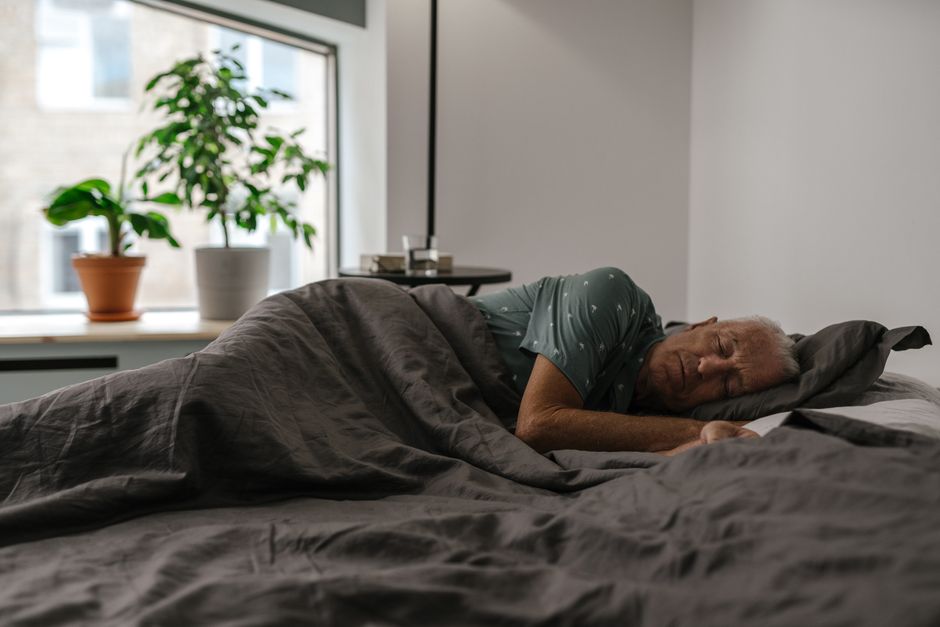
Sleeping too much is usually a sign, not a habit. Most people who regularly sleep far more than they intend are dealing with one of a few well-understood causes: not enough sleep at night, poor sleep quality, a medication side effect, a mood disorder, or an underlying medical condition such as sleep apnea or hypothyroidism. The fix starts with finding out which one applies to you, because the tips that help one cause can make another worse.
Long sleep is not automatically healthier sleep. Adults generally need seven to nine hours a night according to major sleep medicine guidance, and consistently sleeping well beyond that — especially if you still feel tired — points to something worth looking into rather than something to celebrate.
How Much Sleep Is Too Much?
For most adults, sleeping more than nine hours a night on a regular basis is considered long. The National Sleep Foundation’s guidance places seven to nine hours as the typical adult range, with some people genuinely needing closer to nine and others functioning well on seven.
The number matters less than the pattern. A long night after a stretch of short sleep is normal recovery. Sleeping ten or eleven hours night after night, and still waking up groggy, is a different situation. That pattern suggests your sleep is either being disrupted or your body is demanding extra sleep for a reason.
Age changes the picture. Teenagers need more sleep than adults — the American Academy of Sleep Medicine recommends eight to ten hours for teens. Older adults often sleep less at night but may nap more. If you are an adult between 35 and 65 and routinely sleeping past nine hours without feeling restored, that is the signal to pay attention to.
What Causes Sleeping Too Much?
Oversleeping has a short list of common causes, and most of them are treatable. The trick is telling them apart, because the symptoms overlap.
Chronic sleep deprivation
This is the most common reason people sleep too long on days off. If you sleep five or six hours on workdays and ten on weekends, your body is not “catching up” so much as showing you what it needed all along. The long sleep is a symptom of a short-sleep schedule, not a disorder in itself.
Poor sleep quality
You can spend nine hours in bed and get far less real sleep. Sleep apnea is the standout example. In obstructive sleep apnea, the airway repeatedly narrows or closes during sleep, causing brief awakenings the sleeper often does not remember. The result is a long time in bed, fragmented sleep, and heavy daytime sleepiness.
Sleep apnea is common and frequently undiagnosed. Loud snoring, witnessed pauses in breathing, morning headaches, and dozing off during the day are reasons to talk to a clinician. This is one cause where more sleep does not fix the problem — the sleep itself has to improve.
Medications and alcohol
Many common medications cause drowsiness or lengthen sleep time. These include some antihistamines, certain antidepressants, anti-anxiety medicines, and some blood pressure drugs. Alcohol is another factor: it can make you fall asleep faster but fragments sleep later in the night, which can leave you sleeping longer and waking unrefreshed.
If you started a new medication and your sleep changed, that is worth raising with your prescriber. Do not stop a prescribed medicine on your own.
Mood and mental health
Depression and anxiety both affect sleep, and both can push sleep in either direction. Hypersomnia — excessive sleepiness — is a recognized feature of some depressive episodes. Seasonal patterns matter too, as sleep and mood often shift together in darker months.
Medical conditions
An underactive thyroid (hypothyroidism) can cause fatigue and increased sleep need, along with weight gain, cold intolerance, and constipation. Anemia and other conditions that cause fatigue can also make people sleep more. These are diagnosed with blood tests, not guessed at.
There is also a group of genuine sleep disorders where the body’s sleep-wake regulation is off. Narcolepsy and idiopathic hypersomnia are real conditions, though uncommon. They typically cause overwhelming daytime sleepiness despite adequate nighttime sleep, and they are diagnosed by sleep specialists.
How To Stop Sleeping So Much: Causes And Tips That Actually Help
The right tips depend on the cause. A consistent sleep schedule helps almost everyone. But if sleep apnea is driving your long sleep, no amount of sleep hygiene will fix it — you need diagnosis and treatment.
Start with the basics that have solid evidence behind them:
- Keep a fixed wake time. Waking at the same time every day, including weekends, is one of the most reliable ways to steady your body clock. It is more powerful than a fixed bedtime.
- Get morning light. Daylight in the first hour or two after waking helps set your circadian rhythm. A short walk outside does more than most gadgets.
- Limit alcohol close to bedtime. It changes sleep architecture even when it feels like it helps you fall asleep.
- Watch late caffeine. Caffeine has a long half-life, and an afternoon coffee can still be active at bedtime.
- Keep the bedroom dark and cool. These are standard sleep hygiene measures with reasonable support, though their effect on oversleeping specifically is modest.
- Move your body during the day. Regular physical activity is associated with better sleep quality, though it is not a treatment for a sleep disorder.
One clarification worth making: sleeping in on weekends feels restorative but can shift your internal clock later, making Monday mornings harder. Keeping weekend wake times within about an hour of your weekday time helps more than most people expect.





When Should You See a Doctor About Oversleeping?
See a clinician if you regularly sleep more than nine hours and still feel sleepy during the day. That combination — long sleep plus daytime sleepiness — is the pattern most worth investigating.
Other reasons to seek medical advice:
- Loud snoring, gasping, or pauses in breathing during sleep
- Falling asleep while driving, reading, or watching TV
- Morning headaches or a dry mouth on waking
- Sleep that has increased alongside weight gain, cold intolerance, or low mood
- Needing to nap most days despite long nights
A clinician can check for common causes with a physical exam, blood tests, and — where sleep apnea is suspected — a sleep study. These are standard, well-established steps. The value is in ruling causes in or out rather than guessing.
Does Oversleeping Cause Health Problems?
Long sleep is linked with worse health outcomes in large population studies, but the relationship is not straightforward. People who sleep very long hours tend to have more underlying illness, more depression, and lower physical activity — factors that can cause both the long sleep and the health problems.
Whether long sleep itself causes harm is genuinely debated. The evidence is mixed. What is clearer is that long sleep is a useful warning sign: it often reflects a condition that deserves attention. Treat the cause, and the sleep pattern usually follows.
What About “Sleep Debt” and Catching Up?
You cannot fully repay lost sleep by sleeping in once. Research on sleep restriction suggests that a single long night does not fully restore alertness and performance after several nights of short sleep. Recovery takes more than one good night, and the effects of chronic short sleep build up over time.
The better approach is prevention: protect a consistent sleep window rather than relying on weekend catch-up. If your long sleep is really a response to a short-sleep week, the fix is your weekly schedule, not your Sunday morning.
Frequently Asked Questions
Is sleeping 10 hours a night too much?
For most adults, regularly sleeping 10 hours is longer than typical and worth discussing with a clinician, especially if you still feel tired. Some people genuinely need more sleep, but persistent long sleep with daytime sleepiness usually has a cause worth checking.
Why do I sleep so much and still feel tired?
Sleeping long but waking unrefreshed often points to poor sleep quality rather than too little sleep. Sleep apnea, medication side effects, depression, and thyroid problems are common explanations that a clinician can evaluate.
Can oversleeping be a sign of a health problem?
Yes. Long sleep can be a sign of sleep apnea, hypothyroidism, depression, or another condition. It is a signal to look for the cause rather than a problem to fix by sleeping less.
How do I stop oversleeping on weekends?
Keep your wake time within about an hour of your weekday time, including weekends. A fixed wake time and morning daylight help steady your body clock more reliably than trying to force an earlier bedtime.
