
Your nose has more oil glands per square inch than almost any other part of your face. That single fact explains most of what you see. Blackheads form when sebum, the oil your skin produces, mixes with dead skin cells and plugs a pore. On the nose, that plug is more likely to form, and once it opens to the air, the top of it darkens.
So the short answer to why you get so many blackheads on your nose is this: the nose is an oil-rich zone with large pores, constant exposure to air, and a shape that traps debris. The dark color is not dirt. It is oxidized oil and pigment, which is why scrubbing harder does not fix it.
Understanding that distinction matters. Most people treat blackheads like grime, attack them with harsh scrubbing, and end up with irritated skin and the same blackheads. The real driver is biology, and it responds to a different approach.
Why Do I Get So Many Blackheads On My Nose
The nose sits in what dermatologists call the T-zone, the band across your forehead and down the center of your face. Sebaceous glands are densely packed here. These glands produce sebum, a waxy oil that lubricates skin and hair.
A blackhead, or open comedo, forms when a pore becomes blocked by sebum and dead keratinocytes, the skin cells that constantly shed. The pore stays open to the surface. When the plug is exposed to air, the oil and melanin at the top oxidize and darken. That is the black tip you see.
This is the key point most people get wrong: the black is not dirt, and it is not a sign of poor hygiene. A person who washes their face five times a day can still have a nose full of them. The color comes from a chemical reaction, not from grime.
Several factors stack together on the nose specifically:
- High density of oil glands compared with the cheeks and jaw
- Larger pore openings, which clog more easily
- Constant air exposure, which drives the oxidation that turns the plug dark
- The nose protrudes, so it takes more sun, friction, and touching than flatter areas
Blackheads are a type of acne lesion, but they are non-inflammatory. That means they do not come with the redness, swelling, or pus of a pimple. They are the mildest form of acne and the most common.
Are Those Really Blackheads Or Something Else?
Many people who think they have blackheads on their nose actually have something different. This is worth checking before you spend money on treatments.
The most common mix-up is with sebaceous filaments. These are normal, tube-like structures that channel oil to the skin surface. Everyone has them, especially on the nose. They look like small dark dots, but they are not blockages and they do not become inflamed. They are part of normal skin anatomy.
You can sometimes tell the difference by feel and behavior. Sebaceous filaments tend to be uniform in size, evenly spaced, and they refill within days after extraction because the structure itself is still there. True blackheads are individual plugs that can vary in size and may sit slightly raised.
Other things that mimic blackheads include:
- Enlarged pores filled with normal oil
- Small hairs or follicles on the nose
- Sun damage spots or freckles
- Rarely, other skin conditions that need a doctor to identify
This distinction changes everything about treatment. If you have sebaceous filaments, aggressive extraction is a losing battle because they are supposed to be there. If you have true blackheads, the goal is to keep the pore from clogging in the first place.
What Makes Blackheads On The Nose Worse
Sebum production is largely driven by hormones, particularly androgens. This is why blackheads often start in the teen years and why they can flare around the menstrual cycle or with hormonal shifts. You cannot scrub away a hormonal driver.
That said, some habits genuinely make the problem worse:
Touching and picking. Hands transfer oil, bacteria, and friction. Picking can push a plug deeper and turn a calm blackhead into an inflamed pimple or a scar.
Harsh scrubbing and abrasive scrubs. These irritate the skin barrier. Irritated skin can produce more oil and become inflamed, which makes the area look worse, not better.
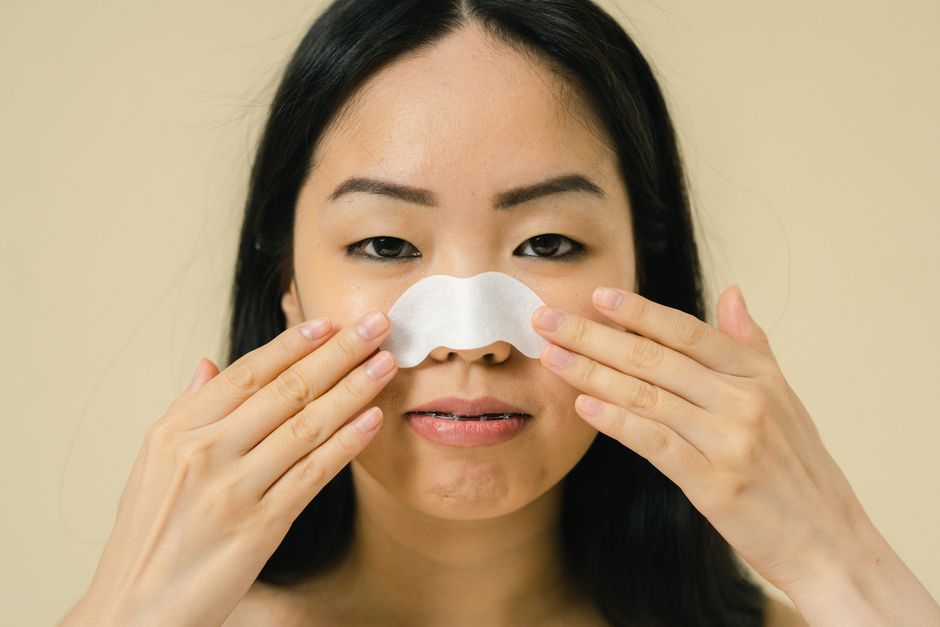
Pore strips and forceful extraction. These can pull out the top of a plug, but they do not stop the pore from refilling. Overuse can irritate skin and enlarge the look of pores.
Heavy or comedogenic products. Some thick creams, oils, and makeup can clog pores. Choosing products labeled non-comedogenic reduces this risk.
Skipping moisturizer. This is a common mistake. Dry, stripped skin can respond by producing more oil. A light, non-comedogenic moisturizer supports the skin barrier instead of fighting it.
One less obvious factor is humidity and sweat. In warm, humid conditions, sweat and oil mix on the skin surface and can contribute to clogged pores. Rinsing your face after heavy sweating helps, but it does not need to be aggressive.





What Actually Helps With Blackheads
No single product erases blackheads permanently, because the underlying oil glands keep working. The realistic goal is to reduce how often pores clog and to keep the skin calm. This is where evidence is strongest.
Salicylic acid is the most studied over-the-counter ingredient for this. It is a beta-hydroxy acid that is oil-soluble, meaning it can get into the pore and help break down the plug. It is widely used and generally well tolerated, though it can dry or irritate sensitive skin, so it is usually started slowly.
Retinoids, available both over the counter and by prescription, help normalize how skin cells shed inside the pore. This addresses the clogging process itself rather than just the surface. They take weeks to show results and commonly cause initial dryness or peeling.
Benzoyl peroxide is better known for inflammatory acne but is sometimes used for mild clogged pores. It can be drying and bleaching to fabrics.
For people with stubborn or widespread blackheads, a dermatologist may recommend prescription treatments or in-office procedures. Extraction by a trained professional can remove existing plugs, but it does not prevent new ones.
What does not have strong evidence behind it: lemon juice, baking soda pastes, toothpaste, and harsh homemade scrubs. These can irritate or damage the skin barrier and offer no reliable benefit.
Can You Prevent Blackheads On Your Nose?
You cannot stop your oil glands from working, and you should not try. Sebum is protective. But you can reduce how often pores clog.
A simple, consistent routine tends to work better than an aggressive one:
- Wash gently twice a day with a mild cleanser, and after heavy sweating
- Use a non-comedogenic moisturizer even if your skin is oily
- Apply sunscreen daily, since sun damage can affect skin texture and pore appearance
- Keep hands off your face during the day
- Introduce active ingredients like salicylic acid slowly, not all at once
Consistency matters more than intensity. Skin cell turnover and pore clearing happen over weeks, not days. A routine you can stick with beats a harsh one you abandon after a week of irritation.
If blackheads are widespread, painful, or accompanied by inflamed pimples, that points toward a different level of acne that may need medical treatment. A dermatologist can assess whether prescription therapy is appropriate.
When To See A Doctor
Blackheads alone are not dangerous. But some situations call for a professional.
See a dermatologist if you have deep, painful bumps, widespread inflammation, or scarring. These suggest moderate to severe acne, which responds better to prescription treatment than to over-the-counter products. Also seek care if a spot changes in size, color, or shape, bleeds, or does not heal, because that needs proper evaluation rather than a guess.
It is also reasonable to see a doctor if you have tried a consistent routine for a few months without improvement. There is no single timeline that fits everyone, but persistent problems that affect your confidence are a valid reason to get help.
Frequently Asked Questions
Why do I get so many blackheads on my nose?
Your nose has a high concentration of oil glands and larger pores, which makes clogging more likely. When the plug of oil and dead skin cells opens to the air, it oxidizes and turns dark.
Are blackheads on the nose actually dirt?
No. The dark color comes from oxidized oil and skin pigment, not dirt or poor hygiene. Scrubbing harder will not remove them and can irritate your skin.
Can you get rid of blackheads on your nose permanently?
No treatment permanently stops oil glands from working, so blackheads can return. Consistent use of ingredients like salicylic acid and retinoids can reduce how often pores clog.
Do pore strips remove blackheads for good?
Pore strips can pull out the top of a plug, but they do not stop the pore from refilling. Overuse can irritate the skin, so they are not a long-term solution.
