
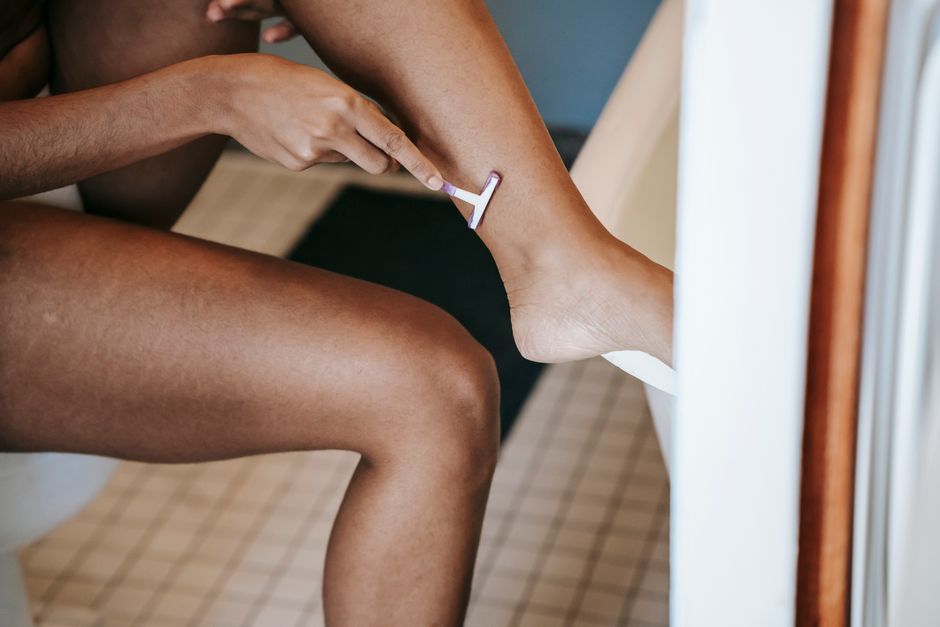
Pubic hair itching during regrowth is caused by short, sharp hair tips pressing into skin that has just been shaved, waxed, or trimmed. The itch usually peaks in the first few days and fades as hairs lengthen and soften. You can reduce it by keeping the area clean and dry, wearing loose cotton underwear, applying a fragrance-free moisturizer or soothing gel, and avoiding scratching, which makes irritation worse.
Why Does Pubic Hair Itch So Much When It Grows Back?
Hair that has been cut or pulled out grows back with a blunt or tapered tip that is stiffer than a fully grown hair. As it pushes through the skin surface, it can catch on clothing and brush against nerve endings in the outer layers of skin. That friction produces the itch.
Shaving cuts hair at the surface, leaving a sharp edge. Waxing and epilating pull hair from the follicle, so regrowth starts from deeper and the new tip is often finer at first but can still irritate as it emerges. The skin in the pubic area is thinner and more sensitive than skin on the legs or arms, which is part of why the sensation feels stronger there.
There is a second factor many people do not connect to the itch. When hair is removed, the follicle and surrounding skin go through a mild inflammatory response. This is normal healing, not infection. It can make the area feel warm, tender, or itchy for several days. The combination of mechanical friction and low-grade inflammation is what makes regrowth itch so noticeable.
How To Stop Pubic Hair Itching When Growing Back Female?
The most effective approach combines reducing friction, calming the skin, and not interfering with the hairs as they emerge. No single step eliminates the itch completely, but together they can make it much more manageable.
- Stop scratching. Scratching damages the skin barrier and can introduce bacteria from your hands or nails, turning simple itch into a minor infection. If the urge is strong, press a cool damp cloth against the area for a minute instead.
- Wear loose, breathable underwear. Cotton or moisture-wicking fabric reduces heat and friction. Tight synthetic fabrics trap sweat and rub against regrowing hair.
- Apply a fragrance-free moisturizer or soothing gel. Plain aloe vera gel or a basic unscented lotion can calm irritated skin. Avoid products with alcohol, perfume, or menthol, which can sting on sensitive tissue.
- Keep the area clean and dry. Rinse with lukewarm water and a mild, unscented cleanser. Pat dry rather than rubbing. Moisture trapped against skin worsens irritation.
- Skip tight clothing and heavy exercise for a day or two if you can. Sweat and friction slow down the calming process.
- Do not shave again immediately. Re-shaving over irritated skin tends to restart the cycle and can lead to razor bumps.
A cool compress for a few minutes at a time can numb the itch temporarily. Some people find that a thin layer of petroleum jelly reduces friction between hair and fabric. There is no strong clinical trial evidence that one over-the-counter product works better than another for this specific problem, so simple and fragrance-free is the safest starting point.
Does Shaving, Waxing, or Trimming Change How Much It Itches?
Yes. The method of hair removal affects how much the regrowth itches and how long the discomfort lasts.
Shaving leaves the bluntest tip and tends to produce the most friction-based itch as hair grows back. It also carries the highest risk of razor bumps, which are small inflamed bumps that form when hair curls back into the skin. These bumps itch on their own, separate from the regrowth itself.
Waxing removes hair from the root. Regrowth takes longer, and the new hair tip is often softer because it has not been cut. Many people report less itching with waxing than shaving, though the trade-off is that waxing itself can irritate skin and cause redness for a day or two.
Trimming with scissors or a trimmer that leaves some length is the gentlest option. Hair that is not cut close to the skin has a softer tip and causes less friction. If itching during regrowth is a recurring problem for you, leaving a little more length is a simple change that often helps.



What Makes Regrowth Itching Worse?
Several common habits and conditions can turn mild regrowth itch into a persistent problem.
Scratching is the biggest one. It feels good for a few seconds, then the skin releases more inflammatory chemicals and the itch returns stronger. This cycle can go on for hours and leave the skin raw.
Tight clothing, especially synthetic fabrics, traps heat and moisture. That combination softens and irritates the skin while increasing friction from regrowing hair.
Products with fragrance, dyes, or alcohol can irritate sensitive genital skin. What feels soothing going on can cause burning or itching minutes later.
Existing skin conditions also matter. If you have eczema or psoriasis, the pubic area may react more strongly to hair removal and regrowth. A history of folliculitis, which is inflammation of the hair follicles, also makes itching more likely and more intense.
Hormonal changes can affect hair texture and skin sensitivity. Some women notice that regrowth feels different at different points in their cycle or during perimenopause. The evidence on this is not strong enough to make firm claims, but many women report changes in sensitivity over time.
When Is Pubic Hair Itching a Sign of Something Else?
Regrowth itch is usually mild and fades within a week. Itching that is severe, lasts longer than a week, or comes with other symptoms may point to a different cause.
Signs that warrant a medical visit include:
- Redness, swelling, or warmth that is spreading
- Pus-filled bumps or blisters
- Pain rather than itch
- Itching that does not improve after regrowth is complete
- Discharge, odor, or sores
- Fever or feeling unwell
These can signal a skin infection, folliculitis, a sexually transmitted infection, or another condition that needs diagnosis and treatment. Pubic lice and scabies also cause intense itching in the genital area, though they are not related to hair regrowth. A clinician can tell the difference with an exam.
If you have tried the basic steps for a week and the itch is not improving, or if it is getting worse, see a healthcare provider. Do not apply steroid creams or antibiotic ointments to the genital area without medical advice, since these can cause their own problems on sensitive skin.
How Long Does Regrowth Itching Usually Last?
For most women, the worst of the itch is in the first three to five days after hair removal. It gradually fades as hair lengthens and the skin’s inflammatory response settles. By the time hair has grown a few millimeters, the tips are softer and cause much less friction.
Waxing tends to produce a longer itch-free window because regrowth starts later. Shaving produces itch sooner because hair is already at the surface and starts pushing through within a day or two.
If you are removing hair regularly, you may notice that the itch is less intense over time. This is not because the hair changes, but because the skin adapts somewhat to repeated low-level irritation. That said, repeated shaving can also lead to chronic folliculitis in some people, so if you notice recurring bumps or persistent irritation, it may be worth changing your hair removal method or giving the area a break.
There is no clinical guideline that sets a specific timeline for when regrowth itch should stop. The three-to-five-day window is a general pattern reported by many women, not a medical standard. If your experience is different, that does not necessarily mean something is wrong.
Frequently Asked Questions
How do I stop pubic hair itching when it grows back?
Keep the area clean and dry, wear loose cotton underwear, apply a fragrance-free moisturizer or aloe gel, and avoid scratching. A cool compress can ease the urge to scratch.
Why does pubic hair itch more after shaving than waxing?
Shaving leaves a blunt, sharp tip that causes more friction as it grows through the skin. Waxing removes hair from the root, so regrowth starts later and the new tip is often softer.
Can I use hydrocortisone cream on pubic hair itch?
Do not apply hydrocortisone or other steroid creams to the genital area without medical advice. These can cause thinning and irritation on sensitive skin.
When should I see a doctor for pubic hair itching?
See a provider if itching lasts more than a week, is severe, or comes with redness, pus, sores, pain, or fever. These signs can point to infection or another condition that needs diagnosis.
