
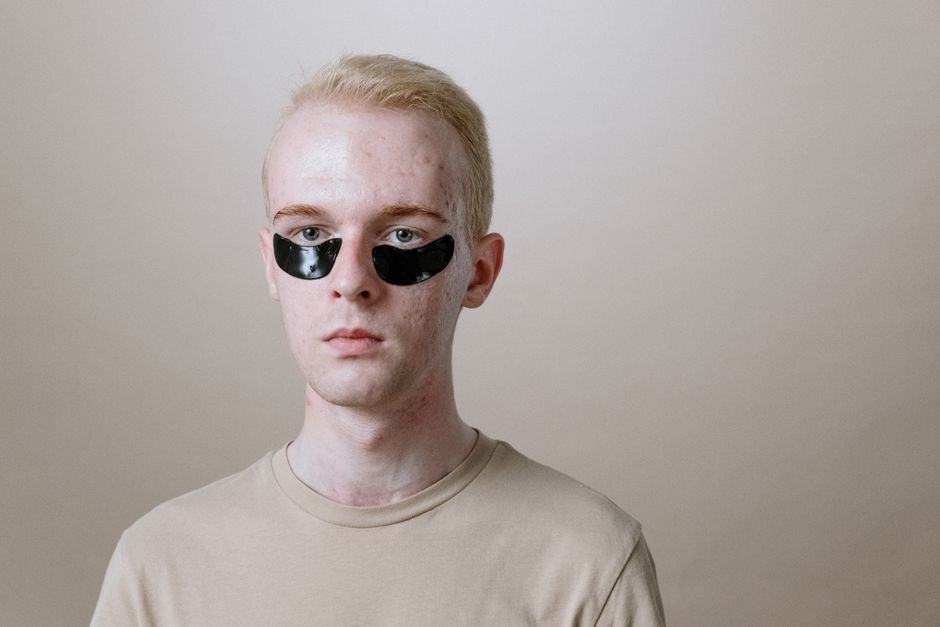
Getting a pimple right before an important event feels personal. It is not. Acne is the most common skin condition in the United States, affecting up to 50 million people annually according to the American Academy of Dermatology. Stopping pimples means understanding why they form and targeting those causes with specific steps. The short answer is: wash your face twice daily with a gentle cleanser, use a non-comedogenic moisturizer, apply an over-the-counter treatment containing benzoyl peroxide or salicylic acid, and do not pick at your skin. For persistent acne, prescription options from a dermatologist work better than anything you can buy at a store.
What Actually Causes Pimples to Form?
Pimples start when hair follicles get clogged with oil and dead skin cells. Every pore on your face contains a sebaceous gland that produces sebum — an oily substance meant to keep skin protected. When your body produces too much sebum, it mixes with dead cells that your skin has shed and creates a plug.
Bacteria called Cutibacterium acnes live on everyone’s skin normally. When a pore gets blocked, these bacteria multiply inside the follicle. Your immune system notices the overgrowth and sends inflammatory cells to fight it. That redness, swelling, and pus you see is your own body attacking the bacteria.
Hormones drive most of this process. Androgens, which increase during puberty and also fluctuate during menstrual cycles, tell your sebaceous glands to produce more oil. Stress raises cortisol levels, which can also increase oil production. Genetics play a role too — if your parents had acne, you are more likely to have it.
How To Stop Pimples: A Step by Step Routine
Consistency matters more than any single product. A basic routine done every day works better than an aggressive routine done twice a week.
Step 1: Wash your face morning and night. Use a gentle cleanser with a pH around 5.5. Harsh soaps strip your skin’s protective barrier, which can trigger more oil production. Wet your face, apply the cleanser in circular motions for 30 seconds, and rinse with lukewarm water. Hot water worsens inflammation.
Step 2: Apply a treatment product. Benzoyl peroxide kills the C. acnes bacteria and helps clear blocked pores. It is the most researched over-the-counter acne ingredient. Start with a 2.5% gel — studies published in the Journal of the American Academy of Dermatology show it works as well as 5% or 10% concentrations with less skin irritation. Salicylic acid is another option. It helps unclog pores by dissolving the dead skin cells that form plugs.
Step 3: Moisturize. Many people skip this step because their skin feels oily. That is a mistake. When your skin is dry, it produces more oil to compensate. Use a moisturizer labeled non-comedogenic, meaning it will not clog pores. Gel-based moisturizers work well for acne-prone skin.
Step 4: Apply sunscreen in the morning. Benzoyl peroxide and other acne treatments make your skin more sensitive to the sun. Sun exposure can darken acne scars and make them last longer. Use an oil-free SPF 30 or higher every day.
What Does Research on Acne Treatments Actually Show?
The strongest evidence supports benzoyl peroxide and topical retinoids for mild to moderate acne. Retinoids like adapalene, which is available over the counter as Differin, work by normalizing how skin cells shed. This prevents the initial plug from forming. A 2019 review in the Journal of Dermatological Treatment found that adapalene combined with benzoyl peroxide was more effective than either ingredient alone.
For moderate to severe acne, oral medications have the best track record. Antibiotics like doxycycline reduce the bacterial population and calm inflammation. The CDC notes that antibiotic resistance is a growing concern with long-term use, so dermatologists typically prescribe them for three to four months maximum.
Isotretinoin, formerly known as Accutane, is the only treatment that can permanently clear acne. It shrinks sebaceous glands and reduces oil production dramatically. Research published in the British Journal of Dermatology found that 85% of patients experience long-term remission after one course. It has serious side effects including birth defects, dry skin, and mood changes. It requires monthly blood tests and is only prescribed by dermatologists for severe cases.
Evidence for diet is mixed. Some studies suggest that high glycemic foods — white bread, sugary drinks, chips — may worsen acne by raising insulin levels, which increases oil production. Dairy, particularly skim milk, has been linked to acne in some observational studies. The evidence is not strong enough to recommend eliminating entire food groups. If you notice a pattern between certain foods and your breakouts, try removing them for three weeks and see what happens.
| Treatment | How It Works | Evidence Level | Common Side Effects |
|---|---|---|---|
| Benzoyl peroxide | Kills bacteria, clears pores | Strong | Dryness, peeling, bleaching clothes |
| Salicylic acid | Dissolves dead skin cells | Moderate | Mild irritation |
| Adapalene (retinoid) | Normalizes cell shedding | Strong | Initial purge, redness, sun sensitivity |
| Oral antibiotics | Reduces bacteria and inflammation | Strong for moderate/severe | Stomach upset, antibiotic resistance |
| Isotretinoin | Shrinks oil glands | Strongest for severe acne | Dry skin, birth defects, blood changes |





What Makes Acne Worse Without You Realizing It?
Picking and popping pimples is the single worst thing you can do. When you squeeze a pimple, you push bacteria and pus deeper into the follicle. The wall of the pore can rupture, spreading inflammation into the surrounding skin. This turns a small pimple into a larger, redder, more painful lesion that takes weeks to heal and often leaves a scar.
Phone screens harbor bacteria. A study published in the Journal of Applied Microbiology found that mobile phones carry more bacteria than toilet seats. You hold that bacteria against your cheek for hours every day. Wipe your phone down with an alcohol wipe daily.
Pillowcases and towels collect oil, dead skin, and bacteria. Change your pillowcase twice a week. Use a clean towel for your face every time — do not use the same towel you dried your body with.
Hair products can cause breakouts along your forehead, temples, and jawline. Conditioners, hair gels, and dry shampoos often contain oils and silicones that clog pores. This is called pomade acne. If you have breakouts along your hairline, try switching to non-comedogenic hair products.
When Should You See a Dermatologist for Acne?
If over-the-counter products have not improved your skin after three months of consistent use, a dermatologist can help. The same applies if your acne is leaving dark spots or scars. Early treatment prevents permanent skin damage.
Severe acne — defined as multiple inflamed cysts and nodules — always requires a doctor. Cystic acne forms deep under the skin and does not respond to topical treatments. It causes real scarring. Dermatologists have prescription options that work far better than anything available at a drugstore.
Women with acne that flares around their period, or that appears along the jawline and chin, may benefit from hormonal treatments. Spironolactone, a medication that blocks androgen receptors, is effective for hormonal acne in women. Oral contraceptives also help by stabilizing hormone levels throughout the month. The FDA has approved several birth control pills specifically for acne treatment.
Common Misconceptions About Stopping Pimples
Washing your face more often does not help. Over-washing strips the skin and triggers more oil production. Twice a day is enough. More is worse.
Toothpaste does not dry out pimples. This is a persistent myth. Toothpaste contains ingredients like baking soda and alcohol that irritate the skin, causing redness and peeling. It does not treat the bacteria or the clogged pore. It just damages the skin around the pimple.
Popping a pimple does not make it heal faster. It makes it heal slower and increases the chance of scarring. A pimple that is left alone resolves in three to seven days. A popped pimple can take two weeks or more.
Sun exposure does not clear acne. The sun’s UV rays temporarily dry out the skin and reduce redness, which can make pimples look less noticeable for a day or two. But UV damage thickens the outer layer of skin over time, which traps oil and dead cells and leads to more breakouts later. The temporary benefit is not worth the long-term damage.
Makeup does not cause acne if you choose the right products. Look for labels that say non-comedogenic, oil-free, and won’t clog pores. Mineral-based powders are generally safer than liquid foundations. Always remove makeup before bed.
- Wash your face twice daily with gentle cleanser
- Use benzoyl peroxide or salicylic acid as directed
- Moisturize with non-comedogenic products
- Apply sunscreen every morning
- Change pillowcases twice weekly
- Clean phone screen daily
- Do not pick or pop pimples
- See a dermatologist if OTC products fail after three months
Frequently Asked Questions
How long does it take for acne treatments to work?
Most treatments take at least four to six weeks to show noticeable improvement. Full results usually appear after three months of consistent use.
Can stress alone cause pimples?
Stress does not directly cause pimples but it raises cortisol levels which increase oil production. This can worsen existing acne and trigger breakouts in people who are already prone to them.
Is it safe to pop a pimple if it has a white head?
No. Popping any pimple risks pushing bacteria deeper into the skin and causing more inflammation and scarring. Let it heal on its own.
Does drinking water help clear acne?
Staying hydrated supports overall skin health but there is no evidence that drinking more water directly reduces pimples. Acne is driven by hormones and bacteria not dehydration.
