
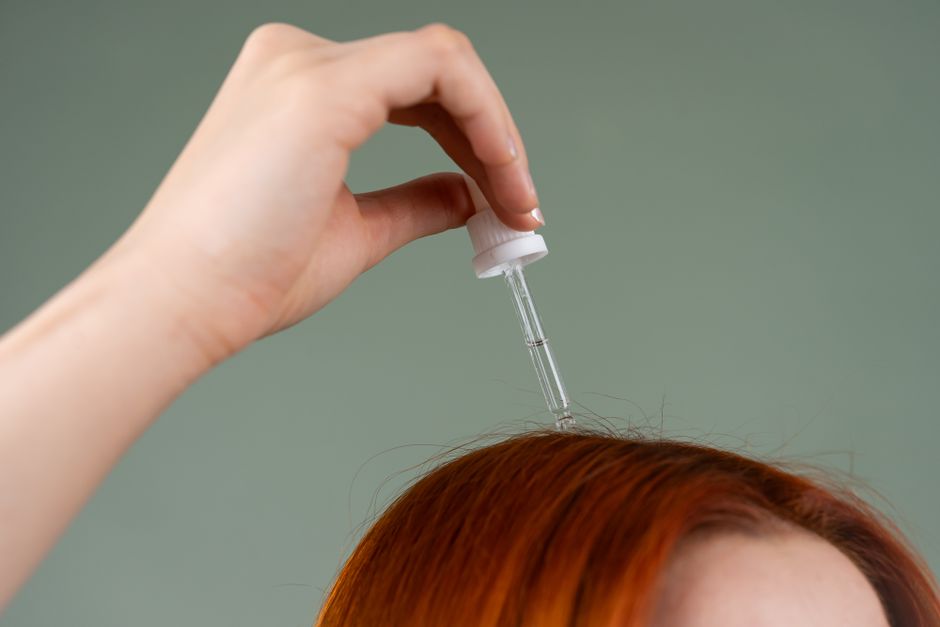
Hair loss is a known but rarely discussed side effect of some antidepressant medications. If you are shedding more hair than usual after starting or changing an antidepressant, you are not imagining it. The first step to stopping the loss is to talk to your doctor—do not stop your medication on your own. In most cases, the hair loss is temporary and will reverse once the cause is addressed, but you need a medical professional to guide that process safely.
Why Do Antidepressants Cause Hair Loss?
Antidepressants can push hair follicles into a resting phase too early. This condition is called telogen effluvium. Normally, about 85-90% of your hair is in a growing phase at any given time. The rest is resting or shedding. A medication stressor can shift a large number of follicles into the shedding phase at once.
This does not happen for everyone. It depends on your genetics, the specific drug, and the dose. The shedding usually begins about two to four months after you start the medication or change the dose. That delay often confuses people because the hair loss does not start right away.
Some antidepressants are more commonly linked to hair loss than others. Bupropion and fluoxetine are frequently mentioned in case reports. However, any antidepressant can potentially trigger this response in a susceptible person. The exact rate of occurrence is not well established because this side effect is underreported.
What Are the First Steps to Stop Hair Loss from Antidepressants?
Your first action should be a conversation with your prescribing doctor. Do not stop the medication abruptly. Stopping suddenly can cause withdrawal symptoms, mood changes, or a return of the underlying depression. These risks are serious.
Ask your doctor about the timing. If you started a new drug or increased a dose roughly three months ago, the timeline fits telogen effluvium. Your doctor may want to rule out other causes first. Iron deficiency, thyroid problems, and stress can also cause the same type of shedding.
Your doctor may suggest one of several approaches. They might lower your dose, switch you to a different antidepressant, or add a medication that supports hair growth. The right choice depends on your mental health stability and how well your current medication is working.
Which Antidepressants Are Less Likely to Cause Hair Loss?
Evidence on which antidepressants cause the least hair loss is mostly based on case reports and clinical observation rather than large comparative trials. That means the data is not definitive.
Some dermatology and psychiatry references suggest that certain SSRIs like sertraline or fluvoxamine may have lower reported rates of hair loss. However, individual responses vary widely. A drug that causes no shedding in one person can cause significant loss in another.
Do not choose a medication based solely on hair loss risk. The most effective antidepressant for your specific symptoms is the priority. Hair loss, while distressing, is temporary in most cases. A poorly matched antidepressant that fails to treat depression is a far bigger problem.





How Long Does Antidepressant Hair Loss Last?
Once the cause is removed, the shedding typically stops within a few months. Hair regrowth follows but takes time. Hair grows at an average rate of about half an inch per month. A full recovery of length can take six to twelve months.
If you stay on the same medication, the shedding may continue. Some people find that the excessive shedding slows down on its own even without a medication change. The body sometimes adapts to the drug. This is not guaranteed, so do not wait indefinitely without checking in with your doctor.
Scarring hair loss from antidepressants is extremely rare. The vast majority of medication-induced hair loss is non-scarring, meaning the follicle is still alive and capable of regrowing hair. This is good news for recovery.
What Treatments Can Help With Regrowth?
Topical minoxidil is the most commonly recommended treatment for medication-induced hair loss. It is available over the counter. Minoxidil does not stop the shedding caused by the antidepressant, but it can speed up regrowth once the trigger is removed.
Minoxidil comes in foam or liquid form. It is applied directly to the scalp once or twice daily. Consistency matters. If you stop using it, any hair gained from it will eventually fall out. Discuss with your doctor whether this is appropriate for your situation.
Nutritional support matters, but only if you have a deficiency. Low ferritin levels are common and can worsen any type of hair shedding. Ask your doctor to check your iron stores, vitamin D, and thyroid function. Supplementing only helps if you are actually deficient. Taking extra supplements when your levels are normal will not grow more hair.
Some clinicians recommend supplements like biotin or nutraceuticals containing saw palmetto. No large human trials have confirmed that these stop antidepressant-related shedding. They are generally safe but should not replace medical treatment.
When Should You See a Dermatologist?
If your hair loss is severe, patchy, or accompanied by scalp pain, redness, or scaling, see a dermatologist. These symptoms suggest a different condition that needs specific treatment. A dermatologist can perform a scalp biopsy if the diagnosis is unclear.
You should also see a dermatologist if the shedding continues for more than six months after stopping or changing the antidepressant. Prolonged shedding may indicate a second cause that has not been addressed.
A dermatologist can offer treatments beyond minoxidil. Prescription options include topical corticosteroids or other hair growth medications. These are not first-line for drug-induced shedding, but they may help in stubborn cases.
What Should You Not Do?
Do not stop your antidepressant cold turkey. The mental health risks outweigh the cosmetic benefit. Sudden discontinuation can cause dizziness, nausea, fatigue, and severe mood swings. Work with your doctor on a taper plan if a medication change is needed.
Do not double your dose of supplements hoping for faster results. Fat-soluble vitamins like vitamin A can build up to toxic levels. Excess vitamin A itself causes hair loss. More is not better.
Do not blame yourself. Hair loss from medication is a physiological response, not a sign of poor health or bad habits. Stress about hair loss can actually worsen shedding, creating a difficult cycle.
Can You Prevent Hair Loss Before Starting an Antidepressant?
There is no reliable way to predict who will lose hair from a specific antidepressant. If you have a history of medication-induced hair loss, tell your doctor before starting a new drug. This history may influence the choice of medication.
Ask your doctor to check your baseline iron and thyroid levels before starting treatment. Correcting a deficiency beforehand may reduce the severity of shedding. This is a reasonable precaution, though it is not proven to prevent the side effect entirely.
Take photos of your hair before starting a new medication. Having a baseline image helps you and your doctor assess whether actual shedding is happening or whether you are just noticing normal daily hair fall. People shed 50-100 hairs per day normally.
Frequently Asked Questions
Will my hair grow back after stopping antidepressants?
Yes, in most cases hair grows back once the medication is stopped or changed. The follicle is usually not damaged, and regrowth begins within a few months.
How fast does hair loss start after taking antidepressants?
Shedding typically begins two to four months after starting the drug or changing the dose. The delay is due to the hair growth cycle.
Can I stop my antidepressant to save my hair?
No, you should never stop an antidepressant without medical supervision. Sudden withdrawal can cause serious mood and physical symptoms.
Does biotin help with antidepressant hair loss?
Biotin only helps if you have a biotin deficiency, which is rare. No clinical evidence confirms it reverses medication-induced shedding.
