
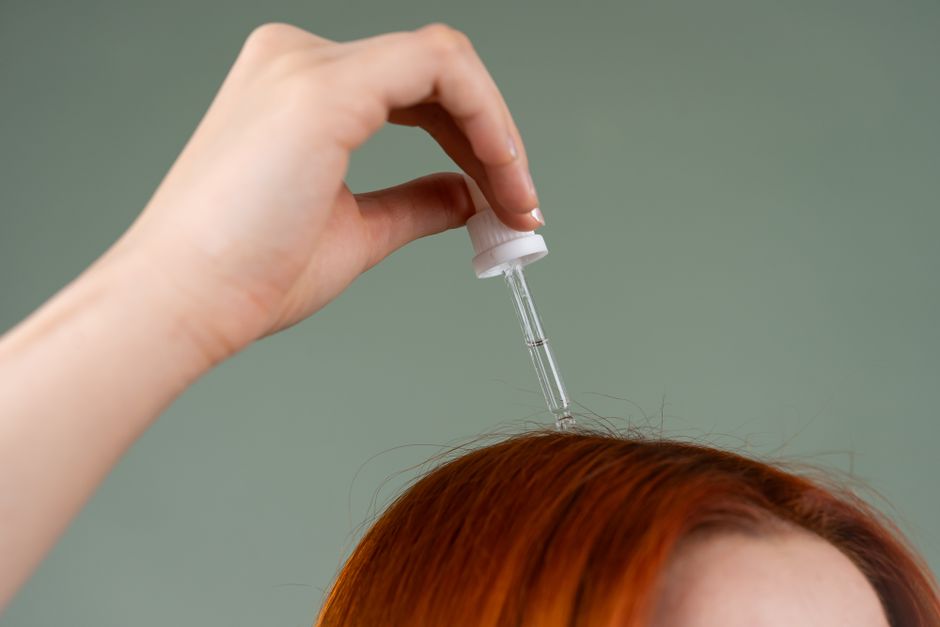
Hair loss can feel like it happens overnight, but stopping it usually takes a step-by-step approach. The first step is identifying the type of hair loss you have, because male pattern baldness, female pattern hair loss, and temporary shedding all need different responses. The next steps involve addressing any underlying medical causes, adjusting your hair care routine, and then considering treatments that have evidence behind them.
What Type of Hair Loss Are You Dealing With?
Before you can stop hair loss, you need to know what is causing it. Most hair loss in adults is genetic. This is called androgenetic alopecia, and it affects both men and women. In men, it usually starts with a receding hairline or thinning at the crown. In women, it typically shows as widening of the part line and thinning across the top of the scalp, while the front hairline stays intact.
Other types of hair loss are temporary. Telogen effluvium is a condition where stress, illness, rapid weight loss, or childbirth pushes large numbers of hair follicles into a resting phase. A few months later, those hairs shed at once. This type of hair loss often resolves on its own once the trigger is removed.
Alopecia areata is an autoimmune condition where the immune system attacks hair follicles. It usually causes round patches of hair loss rather than overall thinning. If you see smooth, coin-sized bald spots, this is a different condition from pattern hair loss and needs a different medical approach.
What Are the Most Common Causes of Hair Loss?
Genetics is the most common cause of permanent hair loss. The condition runs in families and is driven by hormones called androgens. These hormones bind to receptors in hair follicles and gradually shrink them over time. Each new hair cycle produces a thinner, shorter hair until the follicle stops producing hair entirely.
Medical conditions can also cause hair loss. Thyroid disorders, iron deficiency anemia, and vitamin D deficiency have all been linked to shedding. Polycystic ovary syndrome (PCOS) can cause hair thinning in women because it raises androgen levels. Treating these underlying conditions sometimes reverses the hair loss.
Medications are another possible cause. Some blood thinners, antidepressants, beta-blockers, and chemotherapy drugs list hair loss as a side effect. If your hair loss started after a new prescription, talk to your doctor before stopping any medication.
Hair styling practices matter too. Tight ponytails, braids, weaves, and chemical treatments can damage the hair shaft and pull hair out at the root. This is called traction alopecia, and it is often reversible if caught early.
What Blood Tests Should You Ask For?
If your hair loss is sudden, patchy, or accompanied by other symptoms, a doctor can run tests to check for treatable causes. The most useful tests include a complete blood count to check for anemia, ferritin to measure iron stores, thyroid stimulating hormone (TSH), and vitamin D levels.
Ferritin is important because your body needs iron to make hair. Some dermatologists consider a ferritin level below 30 ng/mL as a potential contributor to hair shedding, even if the standard lab range marks it as normal. If your iron is low, correcting it may help, but it takes several months of consistent supplementation to see a difference.
A scalp biopsy is sometimes needed when the diagnosis is unclear. A dermatologist removes a tiny piece of scalp skin and examines it under a microscope. This can distinguish between pattern hair loss, alopecia areata, and scarring forms of hair loss that require different treatments.





What Treatments Have the Strongest Evidence?
Two medications have the strongest evidence for stopping genetic hair loss: minoxidil and finasteride. These are the only treatments that have been studied extensively in large clinical trials and approved by regulatory agencies for this purpose.
Minoxidil is a topical solution or foam that you apply to the scalp daily. It is available over the counter. It works by stimulating hair follicles and prolonging the growth phase of the hair cycle. It can take four to six months to see results, and you must keep using it to maintain gains. If you stop, the hair loss resumes.
Finasteride is an oral prescription medication for men. It blocks the enzyme that converts testosterone into dihydrotestosterone (DHT), the hormone that shrinks hair follicles. Studies show it can slow hair loss and promote regrowth in many men. It is not approved for women, especially those who may become pregnant, because it can cause birth defects.
Low-level laser therapy is another option. Devices like laser combs and helmets emit red light that may stimulate hair follicles. Some studies show modest benefit, but the evidence is not as strong as it is for minoxidil or finasteride. It is considered a reasonable option for people who cannot tolerate medications.
What About Platelet-Rich Plasma (PRP) Therapy?
Platelet-rich plasma therapy involves drawing your blood, spinning it in a centrifuge to concentrate the platelets, and injecting that concentrate into your scalp. Platelets contain growth factors that may stimulate hair follicles.
The evidence for PRP is mixed. Some studies show improvement in hair density, while others show minimal change. There is no standardized protocol, so clinics vary in how they prepare and inject the plasma. It is also expensive and usually not covered by insurance. If you decide to try it, look for a board-certified dermatologist with experience in the procedure.
What Hair Care Habits Can Protect Your Hair?
How you handle your hair matters more than most people realize. Hair is weakest when it is wet, so brushing wet hair aggressively can cause breakage. Use a wide-tooth comb or a detangling brush instead, and work from the ends upward.
Heat styling tools damage the hair shaft. If you use a blow dryer, flat iron, or curling iron, use the lowest heat setting that works and apply a heat protectant product. Limit these tools to a few times per week rather than daily use.
Shampooing frequency is not a major factor in hair loss. Washing your hair removes shed hairs that were already loose, which can make it look like you are losing more than you actually are. The visible hair in the drain is often just the normal daily shedding of 50 to 100 hairs that accumulated over a few days.
What Actually Works for Regrowing Hair?
Realistic expectations matter. For genetic hair loss, the goal of treatment is usually to slow the progression and maintain what you have. Regrowth is possible, but it is often modest and takes months to appear. The earlier you start treatment, the more hair you are likely to keep.
Supplements are widely marketed for hair loss, but the evidence behind most of them is thin. Biotin deficiency is rare, and taking extra biotin has not been shown to help people with normal levels. If you have a confirmed deficiency of iron, vitamin D, or zinc, correcting it can help. Otherwise, a balanced diet is the best approach.
Hair transplants are the only permanent solution for genetic hair loss. A surgeon moves hair follicles from the back and sides of the scalp, where they are genetically resistant to DHT, to the thinning areas. This is a surgical procedure with real costs and recovery time, but it can produce lasting results.
When Should You See a Doctor?
See a doctor if your hair loss is sudden, patchy, or accompanied by redness, scaling, or pain. These signs may indicate an underlying condition that needs treatment. Also see a doctor if your hair loss is causing you significant distress, because treatment works better when started early.
A dermatologist is the right specialist for hair loss. They can examine your scalp, order appropriate tests, and recommend treatments based on your specific type of hair loss. Many people wait years before seeking help, and that delay means they lose ground they cannot get back.
Frequently Asked Questions
How long does it take for hair loss treatments to work?
Most treatments take at least four to six months before you notice a difference. Hair grows slowly, so visible improvement requires patience and consistent use.
Can stress cause permanent hair loss?
Stress usually causes temporary shedding that resolves once the stress passes. It does not typically cause permanent hair loss unless it triggers or worsens an underlying genetic condition.
Does wearing hats cause hair loss?
No, wearing hats does not cause hair loss. Hats do not restrict blood flow to the scalp enough to affect hair follicles.
Is hair loss reversible?
It depends on the cause. Temporary shedding from stress, illness, or nutrient deficiency often reverses on its own. Genetic hair loss can be slowed with treatment but is not fully reversible without a transplant.
