
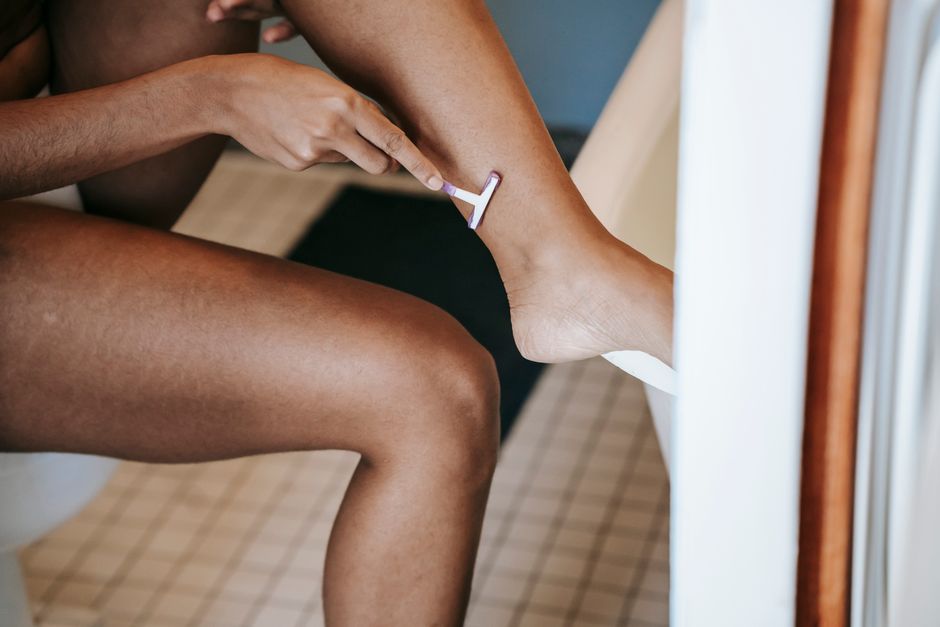
Razor bumps happen when hairs grow back into the skin after shaving. You can stop them by changing how you prepare your skin, which direction you shave, and what you do right after. The most effective routine is simple: soften the hair with warm water, shave in the direction the hair grows, and avoid pulling the skin tight. These steps do not require expensive products, but they do require consistency.
What Causes Razor Bumps in the First Place?
Razor bumps are not the same as razor burn. Razor burn is surface irritation from the blade scraping the skin. Razor bumps, medically called pseudofolliculitis barbae, happen when a shaved hair curls back and pierces the skin. The body treats that hair like a foreign object and triggers inflammation.
The hair shaft is cut at an angle during shaving. That sharp tip can easily re-enter the skin just next to the follicle. People with naturally curly or coarse hair are more prone to this because curly hair has a natural tendency to curve back toward the skin as it grows.
This is partly genetic. Men of African descent experience razor bumps at much higher rates because of the shape and angle of their hair follicles. But anyone with coarse or curly hair can develop them. The problem is not poor hygiene. It is a mechanical issue with how the hair grows and how it is cut.
How To Stop Getting Razor Bumps: The Preparation Phase
What you do before the blade touches your skin matters more than anything else. Hair that is soft and hydrated cuts cleanly. Hair that is dry and stiff breaks unevenly and leaves a jagged tip that easily re-enters the skin.
Shave at the end of a warm shower, not at the beginning. Warm water softens the hair shaft and opens the pores. Five minutes of exposure to warm water makes a measurable difference in how easily hair cuts. If you cannot shower first, hold a warm wet washcloth on the area for at least two to three minutes.
Use a shaving cream or gel that stays wet on the skin. The purpose of the cream is to keep the hair soft and to let the blade glide without friction. Dry shaving is the single fastest way to create razor bumps. The blade drags, the hair cuts unevenly, and the skin gets micro-abrasions that become entry points for irritation.
Avoid products with heavy fragrances or alcohol. These dry out the skin and make the hair shaft stiffer. Look for basic, unscented shaving creams. The ingredient list does not need to be long. It needs to be moisturizing.
Shaving Technique That Prevents Ingrown Hairs
The direction you shave is the most important technical decision you make. Shaving against the grain gives a closer shave, but it also cuts the hair below the skin surface. That recessed hair has nowhere to go but sideways or inward. Shaving with the grain leaves a slightly longer stubble, but that stubble is far less likely to curl back into the skin.
For most people, the hair on the neck grows in multiple directions. You cannot assume one pass direction works for the whole area. Pay attention to which way the hair lies flat. That is the direction you should shave in that specific spot.
Do not stretch the skin tight while shaving. When you pull the skin taut, the hair stands up straighter and gets cut shorter. When you release the skin, that short hair retracts below the surface. Let the skin stay relaxed. The razor should do the work, not the tension in your hand.
Use a single-blade razor or a razor with minimal blades. Multi-blade razors lift the hair and cut it below the skin line. This is exactly what causes ingrown hairs. Many dermatologists recommend single-blade razors specifically for people prone to razor bumps. Electric razors that do not cut as close are another reasonable option, though they may not give the smooth result some people want.
Never press down hard with the razor. The pressure should be light enough that the razor glides on the cream without scraping. One pass over each area is ideal. Re-shaving the same spot increases irritation without improving the result.





Post-Shave Care That Reduces Inflammation
Rinse the shaved area with cold water immediately after finishing. Cold water constricts blood vessels and reduces the redness that comes from shaving. It also helps close the hair follicles so they are less likely to trap hairs.
Pat the skin dry. Do not rub. Rubbing a freshly shaved area creates friction and can push short hairs back into the skin before they have a chance to grow outward.
Apply a gentle, alcohol-free moisturizer or aftershave balm. The skin barrier has just been disrupted by the blade. Keeping it hydrated helps the skin recover faster and reduces the chance that dead skin cells will block the follicle opening.
Some people find that products containing salicylic acid or glycolic acid help prevent razor bumps. These are chemical exfoliants that keep dead skin from trapping hairs. They are not for everyone. If you have sensitive skin, start with a low concentration and use it only on the shaved area. Do not combine them with other exfoliating products on the same day.
Daily Habits That Prevent Razor Bumps Between Shaves
Exfoliating gently once or twice a week between shaves can help. A soft washcloth or a mild facial scrub loosens dead skin cells that might block hair follicles. This is not the same as scrubbing hard. Gentle circular motions are enough. Aggressive scrubbing irritates the skin and makes razor bumps worse.
Moisturize daily, even on days you do not shave. Well-hydrated skin sheds dead cells more efficiently. Dry skin flakes can clog follicles and force hairs to grow sideways. A basic fragrance-free moisturizer is sufficient. You do not need a special product marketed for razor bumps.
If you get a razor bump, do not pick at it or try to dig the hair out. This introduces bacteria and makes the inflammation worse. If a hair is visibly trapped just under the surface, a sterile needle can be used to gently lift the loop of hair out. Do not cut the hair. Just free it from the skin. If the bump is painful, red, or filled with pus, leave it alone and let it heal.
When To Consider Alternatives to Shaving
Some people simply cannot shave without getting bumps, no matter how careful their technique is. If you have tried proper preparation, correct direction, and good aftercare and still get bumps, the issue may be the act of shaving itself.
Growing a beard eliminates the problem entirely. The hair grows out naturally and never gets the sharp tip that causes ingrown hairs. If a full beard is not an option, consider trimming with clippers instead of shaving. Clippers leave enough length that the hair does not curve back into the skin. A very short trim looks similar to a close shave but avoids the mechanical problem entirely.
Laser hair removal is the only long-term solution that addresses the root cause. Laser treatment damages the hair follicle so it produces thinner, lighter hair over time. After enough sessions, the hair may stop growing altogether. This is expensive and requires multiple visits, but the evidence for its effectiveness in treating pseudofolliculitis barbae is strong. Some dermatologists consider it the most reliable treatment for severe, recurring razor bumps.
Chemical depilatories, like hair removal creams, dissolve the hair at the skin surface. They do not create sharp tips, so they do not cause razor bumps. However, these products can cause chemical burns on sensitive skin. Always test a small patch of skin first and follow the timing instructions exactly. Do not leave the product on longer than directed.
What Does Not Work for Razor Bumps
Several viral remedies have no evidence behind them. Rubbing alcohol on the skin after shaving does not prevent razor bumps. It dries the skin and can worsen irritation. Witch hazel is similarly drying and has no proven benefit for ingrown hairs.
Toothpaste on razor bumps is a common internet suggestion. It has no scientific basis and can irritate the skin further. Aspirin paste made from crushed aspirin and water is another home remedy that lacks evidence. It may reduce inflammation temporarily because aspirin is an anti-inflammatory, but it is not formulated for skin use and can cause burns.
Exfoliating scrubs marketed specifically for razor bumps often contain abrasive particles that damage the skin. The problem is not dead skin buildup in most cases. The problem is the sharp hair tip. Scrubbing cannot fix that.
Frequently Asked Questions
How long does it take for razor bumps to go away?
Most razor bumps heal within one to two weeks if you stop shaving the affected area. Shaving over active bumps will make them worse and extend the healing time.
Does shaving with the grain really prevent razor bumps?
Yes. Shaving in the direction of hair growth leaves the hair slightly longer, which makes it much less likely to curl back into the skin. It is the single most effective technique change you can make.
Are razor bumps the same as an infection?
No. Razor bumps are an inflammatory reaction to a hair growing into the skin. They can become infected if bacteria enter the area, but the bump itself is not an infection.
Can laser hair removal permanently stop razor bumps?
Laser hair removal significantly reduces hair growth over time, which eliminates the cause of razor bumps. It is not guaranteed to remove every hair permanently, but it is the most effective long-term treatment for severe cases.
