
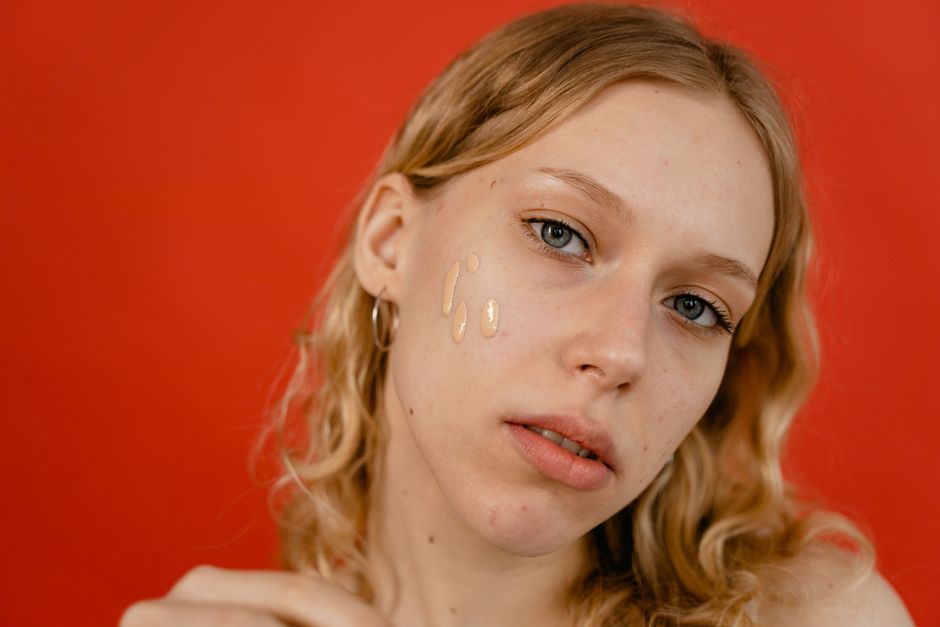
Facial redness happens when blood vessels near the skin’s surface widen and carry more blood than usual. It can come from cold air, a hot drink, stress, hormones, certain skin conditions, or a reaction to a product. Some redness fades in minutes on its own. Some is a long-term condition that needs a doctor’s care. The right approach depends on what is actually causing it.
What Causes Face Redness?
Facial skin is thin and packed with tiny blood vessels called capillaries. When those vessels open wider, more blood flows through them and the skin looks pink or red. This process is called vasodilation. It is a normal body response, not a disease by itself.
Several different things can trigger it. The key is whether the redness is temporary or persistent.
- Temperature changes. Cold wind, hot rooms, and sudden shifts in temperature cause vessels to widen or narrow quickly.
- Spicy food and hot drinks. Both can raise body temperature and dilate facial vessels within minutes.
- Alcohol. It widens blood vessels and can make the face flush, especially in people who lack a certain enzyme that breaks down alcohol.
- Emotional stress. The body’s fight-or-flight response sends blood toward the face.
- Hormonal shifts. Hot flashes during perimenopause and menopause are a common cause in women over 40.
- Skin conditions. Rosacea, eczema, and contact dermatitis all cause redness that lasts longer than a simple flush.
- Medications. Some blood pressure drugs, niacin, and certain other medicines can cause flushing as a side effect.
One detail worth knowing: a red face is not always a skin problem. It can be a sign of something happening inside the body. That is why persistent redness that does not respond to basic care deserves a medical look.
Is Face Redness a Sign of Rosacea or Something Else?
Rosacea is one of the most common causes of long-term facial redness. It usually affects the center of the face — cheeks, nose, chin, and forehead. It tends to come and go in flares rather than staying constant.
Doctors classify rosacea into subtypes based on what the skin looks like. Some people get flushing and visible blood vessels. Others get bumps and pimples that look like acne. Some get thickening of the skin, most often on the nose. Many people have more than one type at once.
Rosacea is not acne, and it is not an allergy. It is a chronic inflammatory condition. It does not go away on its own, but it can be managed. Common triggers include sun exposure, heat, stress, alcohol, and spicy foods. The specific triggers vary from person to person.
Other conditions that cause facial redness include:
- Eczema (atopic dermatitis). Usually itchy, dry, and scaly. More common in people with asthma or allergies.
- Contact dermatitis. Caused by a reaction to a product, metal, or ingredient. Often appears where the skin touched the substance.
- Seborrheic dermatitis. Red, flaky patches, often along the hairline, eyebrows, and sides of the nose.
- Lupus. A butterfly-shaped rash across both cheeks and the bridge of the nose can be a sign of this autoimmune condition.
- Carcinoid syndrome. A rare condition that causes flushing, usually along with other symptoms.
Because these conditions look different and need different treatment, a dermatologist’s diagnosis matters. Treating rosacea as if it were eczema, or the reverse, can make things worse.
What Triggers Sudden Face Flushing?
Sudden flushing is a rapid widening of facial blood vessels. It usually peaks within a few minutes and fades within 15 to 30 minutes once the trigger is removed.
The most common triggers are heat, emotional stress, alcohol, and spicy food. Some people flush from strong emotions like embarrassment or anger. Others flush after a hot shower or from exercise.
Caffeine is often blamed for flushing, but the evidence is mixed. Some people notice it, and others do not. If you suspect caffeine is a trigger for you, cutting back for a week is a reasonable way to find out.
Certain medications can cause flushing as a side effect. Niacin, used for cholesterol, is a well-known example. Some blood pressure medications and certain diabetes drugs can also cause it. If flushing started after a new prescription, that timing is worth mentioning to your doctor.
Alcohol flushing is more common in people of East Asian descent. Many carry a genetic variant that slows the breakdown of acetaldehyde, a toxic byproduct of alcohol. The result is a rapid red flush, often with a fast heartbeat. This is not a sign that alcohol is safe for that person — if anything, it is a signal the body is handling alcohol poorly.




How To Stop Face Redness: Causes, Triggers, Treatments
There is no single fix because there is no single cause. The most effective approach is to identify your triggers, protect your skin barrier, and use targeted treatment for any underlying condition.
Daily habits that help
- Wear sunscreen every day. Sun is one of the most common rosacea triggers. A broad-spectrum sunscreen with SPF 30 or higher is a standard recommendation. Mineral formulas with zinc oxide or titanium dioxide tend to be gentler on reactive skin.
- Use gentle cleansers. Avoid scrubs, astringents, and products with alcohol or fragrance. These strip the skin barrier and worsen redness.
- Moisturize regularly. A damaged skin barrier makes flushing more likely. Ceramide-based moisturizers help rebuild it.
- Track your triggers. Keep a simple log of what you ate, drank, or did before a flare. Patterns often show up within a few weeks.
- Manage temperature. Cool compresses, lukewarm (not hot) showers, and a cool room at night can reduce flushing episodes.
- Limit alcohol and spicy food if you notice they set off your redness.
When to see a doctor
See a dermatologist if redness lasts more than a few weeks, comes with bumps or pus-filled spots, causes burning or stinging, or does not improve with gentle skincare. Also see a doctor if flushing comes with diarrhea, wheezing, a rapid heartbeat, or swelling — these can point to a condition beyond the skin.
Medical treatments
For rosacea, treatment usually combines topical and sometimes oral medications. Topical options include metronidazole, azelaic acid, and ivermectin. These are prescription products that reduce inflammation and bumps. They do not cure rosacea, but they can control it.
Oral antibiotics such as doxycycline are sometimes prescribed for moderate to severe cases. They work mainly through their anti-inflammatory effect rather than by killing bacteria. Some clinicians also use beta-blockers to reduce flushing, though this is not a first-line approach for most people.
Laser and light therapies can reduce visible blood vessels and persistent redness. These are performed in a clinic and often require multiple sessions. Results vary, and the redness can return over time. Some people respond well and others do not, so it is worth discussing realistic expectations with a dermatologist before committing.
For flushing caused by menopause, hormone therapy may help, but it carries its own risks and is not right for everyone. That decision belongs with a doctor who knows your history.
What Skincare Ingredients Help Redness — and Which Make It Worse?
Certain ingredients calm the skin. Others irritate it. Knowing the difference can prevent a lot of unnecessary flares.
Ingredients often recommended for redness-prone skin include:
- Niacinamide. A form of vitamin B3. Some studies suggest it supports the skin barrier and reduces inflammation.
- Azelaic acid. Available over the counter in some strengths and by prescription in others. Used for rosacea and redness.
- Centella asiatica. A plant extract used in some soothing products. Evidence is limited but it is generally well tolerated.
- Ceramides. Fats that help rebuild the skin barrier.
- Green tea extract. Contains antioxidants. Some small studies suggest it may reduce redness, but the evidence is not strong.
Ingredients that commonly worsen redness include alcohol-based toners, physical scrubs, strong acids like high-concentration glycolic acid, fragrance, and essential oils. This does not mean everyone reacts to all of them, but they are frequent culprits.
Patch-test new products on your inner forearm for a few days before using them on your face. This is a simple step that catches many reactions early.
Can Diet Reduce Facial Redness?
Diet is often suggested as a fix for redness. The evidence here is limited. No large human trials have confirmed that any specific diet eliminates rosacea or facial flushing.
What is well established is that certain foods and drinks can trigger flushing in some people. Hot drinks, spicy food, and alcohol are the most common. If you notice a pattern, cutting back is reasonable. If you do not, there is no strong reason to avoid them.
Some research suggests that gut bacteria may play a role in rosacea, and that probiotics or dietary changes could help. This is an area of active study, not a proven treatment. Anyone claiming a specific diet cures rosacea is going beyond what the evidence supports.
General good nutrition supports skin health. That means plenty of vegetables, fruit, whole grains, and healthy fats. It does not mean any single food will stop your face from flushing.
Frequently Asked Questions
How do I stop my face from turning red?
Identify your triggers and avoid them where you can, protect your skin with daily sunscreen and gentle products, and see a dermatologist if redness persists. There is no single fix because the cause varies from person to person.
Is facial redness a sign of a health problem?
Sometimes. Temporary flushing from heat, stress, or food is usually harmless, but persistent redness, especially with a butterfly-shaped rash or other symptoms, can point to conditions like rosacea or lupus that need medical evaluation.
Does drinking water help with face redness?
Staying hydrated supports overall skin health, but no clinical evidence shows that drinking more water specifically reduces facial redness. Dehydration can make skin look dull, but it is not a primary cause of flushing.
Can face redness go away on its own?
Short-lived flushing from a specific trigger usually fades within 15 to 30 minutes. Chronic redness from rosacea or another skin condition does not go away on its own and typically needs ongoing management.
