
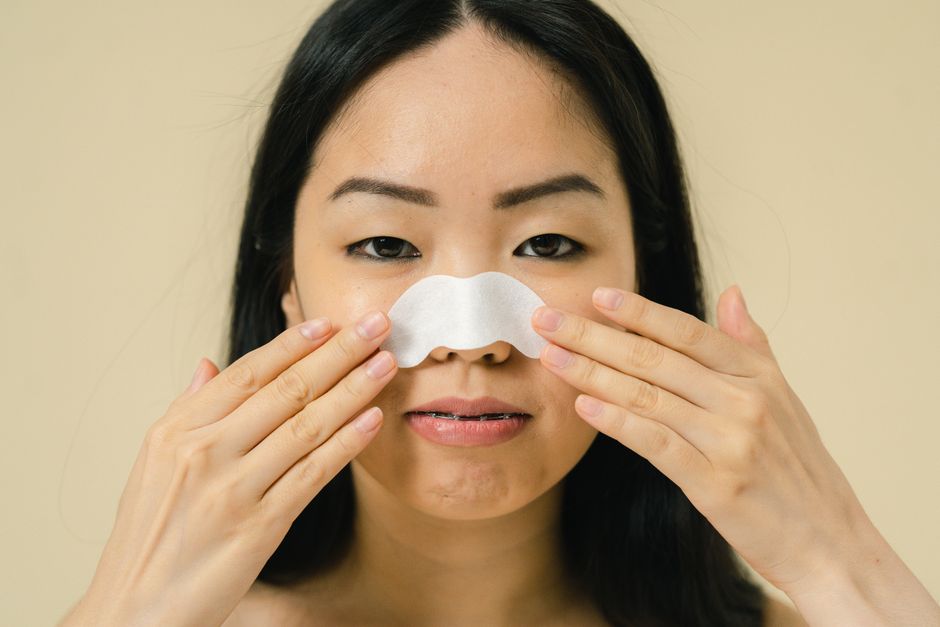
Redness around the nose is a common skin concern. It can come from dry skin, allergies, rosacea, or just rubbing your nose too much. The direct answer is: start by identifying the cause. Then use a gentle cleanser, a moisturizer with ceramides, and avoid harsh ingredients like alcohol or menthol. If the redness lasts more than a few weeks or has bumps, see a dermatologist. This step-by-step guide explains what works and what does not, based on the evidence.
What Causes Redness Around the Nose?
Redness around the nose is not one single condition. It has several possible causes. Knowing which one applies to you is the first step to fixing it.
Rosacea is a common cause. The American Academy of Dermatology estimates that over 16 million Americans have rosacea. It often shows up as redness on the nose, cheeks, chin, and forehead. You might also see small red bumps or visible blood vessels. Rosacea tends to come and go. Triggers include sun exposure, spicy food, alcohol, and hot drinks.
Seborrheic dermatitis is another possibility. It causes red, flaky, greasy patches. It often affects the sides of the nose, eyebrows, and scalp. It is not caused by poor hygiene. It is linked to an overgrowth of yeast that naturally lives on skin.
Contact dermatitis happens when your skin reacts to something it touches. This can be a new face wash, moisturizer, makeup, or even a nasal spray. The reaction is often red, itchy, and sometimes swollen. It usually appears within hours or days of exposure.
Dry skin is a simple but common cause. Cold weather, indoor heating, and harsh soaps strip natural oils. The skin around your nose gets red and tight. This is often worse in winter.
Frequent nose blowing from colds or allergies irritates the skin. The friction and moisture break down the skin barrier. The result is raw, red skin around the nostrils.
How To Get Rid Of Redness Around Nose: A Step-by-Step Routine
The steps below are based on what dermatologists recommend. They are not quick fixes. Consistent care over weeks usually makes a difference.
Step 1: Identify and avoid triggers. If you have rosacea, keep a diary of flare-ups. Note what you ate, drank, or put on your face. Common triggers include sun, wind, hot showers, alcohol, and spicy foods. For contact dermatitis, stop using any new products for two weeks. See if the redness improves.
Step 2: Cleanse gently. Use a mild, non-foaming cleanser. Look for words like “gentle,” “hydrating,” or “for sensitive skin.” Avoid cleansers with sodium lauryl sulfate or fragrance. Wash with lukewarm water, not hot. Pat your face dry with a soft towel. Do not rub.
Step 3: Moisturize immediately. Apply moisturizer within 60 seconds of washing. This locks in moisture. Choose a moisturizer with ceramides, niacinamide, or squalane. These ingredients help repair the skin barrier. The National Eczema Association recommends products with ceramides for sensitive skin.
Step 4: Protect from the sun. Sun exposure is a top trigger for rosacea and can worsen any redness. Use a mineral sunscreen with zinc oxide or titanium dioxide. These are less irritating than chemical sunscreens. Apply it every morning, even on cloudy days.
Step 5: Use targeted treatments if needed. For rosacea, a dermatologist may prescribe metronidazole cream or azelaic acid. For seborrheic dermatitis, an over-the-counter dandruff shampoo containing ketoconazole can help. Use it as a face wash on the red areas a few times a week. For dry skin, a thicker cream like one with shea butter or petrolatum can help.
Step 6: Be patient. Skin takes time to heal. Do not expect results in one day. Stick with the routine for at least four to six weeks. If there is no improvement, see a dermatologist.
What Research on Redness Around the Nose Shows
Research published in the Journal of the American Academy of Dermatology has looked at treatments for facial redness. One study found that azelaic acid gel reduced redness in people with rosacea by about 50% after 12 weeks. Another study showed that a moisturizer with ceramides improved skin barrier function in people with dry, red skin within two weeks.
For seborrheic dermatitis, a 2021 review in JAMA Dermatology found that antifungal creams like ketoconazole are effective. They reduce redness and flaking in most people within four weeks. The review noted that regular use prevents flare-ups.
There is less strong evidence for natural remedies. Some people report that green tea compresses or aloe vera help. But clinical studies are limited. The National Rosacea Society says that while some natural ingredients may soothe skin, they should not replace medical treatment.
One thing research is clear on: harsh scrubs and rubbing make redness worse. A study in the British Journal of Dermatology found that physical exfoliation damaged the skin barrier and increased redness in people with sensitive skin.




What to Avoid When Trying to Reduce Redness
Some products and habits make redness worse. Avoiding them is just as important as using the right products.
Avoid alcohol-based toners and astringents. These strip the skin of natural oils. They cause dryness and irritation. If your face feels tight after using one, stop using it.
Avoid physical scrubs. Walnut shell scrubs, sugar scrubs, and loofahs are too harsh. They create micro-tears in the skin. This leads to more redness, not less.
Avoid hot water. Hot showers and hot water washes dilate blood vessels. This makes redness more visible. Stick to lukewarm water.
Avoid products with fragrance. Fragrance is a common irritant. Even natural essential oils can cause reactions in sensitive skin. Look for “fragrance-free” on the label. “Unscented” can still contain masking fragrances.
Avoid over-washing. Washing your face more than twice a day strips moisture. This can trigger more oil production and more redness. Twice a day is enough.
| Ingredient to Avoid | Why It Causes Problems | Safer Alternative |
|---|---|---|
| Alcohol denat. | Dries skin and breaks down barrier | Glycerin, hyaluronic acid |
| Menthol | Irritates sensitive skin | Niacinamide |
| Fragrance | Common allergen | Fragrance-free products |
| Sodium lauryl sulfate | Strips natural oils | Sodium cocoyl isethionate |
| Physical exfoliants | Micro-tears in skin | Chemical exfoliants like PHA (gentle) |
When to See a Doctor About Redness Around the Nose
Most redness around the nose can be managed at home. But some cases need medical attention.
See a dermatologist if the redness does not improve after six weeks of gentle care. Also see a doctor if you have bumps, pustules, or visible blood vessels. These are signs of rosacea or another condition that needs prescription treatment.
See a doctor if the redness is painful, oozing, or spreading quickly. This could be an infection. Bacterial infections around the nose are rare but serious. They need antibiotics.
See a doctor if you have other symptoms like fever, joint pain, or a rash elsewhere on your body. These can be signs of an autoimmune condition like lupus. Lupus can cause a red rash across the nose and cheeks. It is sometimes called a “butterfly rash.”
A dermatologist can diagnose the exact cause. They can prescribe topical medications like metronidazole, ivermectin, or calcineurin inhibitors. They can also recommend laser treatments for visible blood vessels. Laser therapy is effective for redness from rosacea. Research shows it reduces redness by 60-80% after one to three sessions.
Common Misconceptions About Redness Around the Nose
Many people believe redness around the nose is always a sign of acne. That is not true. Acne involves clogged pores and bacteria. Rosacea looks similar but is a different condition. Acne treatments like benzoyl peroxide can make rosacea much worse.
Another myth is that redness means your skin is dirty. That is false. Over-washing and harsh scrubs actually cause more redness. Gentle cleansing is better.
Some people think that redness will go away on its own if ignored. For some causes like dry skin, it might. For rosacea or seborrheic dermatitis, it usually does not. These conditions tend to be chronic. They need ongoing management.
There is also a belief that steroid creams are a quick fix. They can reduce redness fast. But long-term use on the face is dangerous. It can thin the skin and cause permanent redness. Never use over-the-strength hydrocortisone on your face without a doctor’s approval.
Frequently Asked Questions
Can toothpaste get rid of redness around the nose?
No. Toothpaste can irritate the skin and make redness worse. It is not a treatment for any skin condition.
How long does it take for redness around the nose to go away?
It depends on the cause. Dry skin redness can improve in a few days with moisturizer. Rosacea or dermatitis may take four to six weeks with treatment.
Is redness around the nose a sign of a food allergy?
It can be. Food allergies sometimes cause facial flushing. But it is more often linked to rosacea triggers like spicy foods or alcohol.
Does ice help reduce redness around the nose?
Ice can temporarily reduce swelling and redness. But it does not treat the underlying cause. Do not apply ice directly to skin. Wrap it in a cloth first.
