
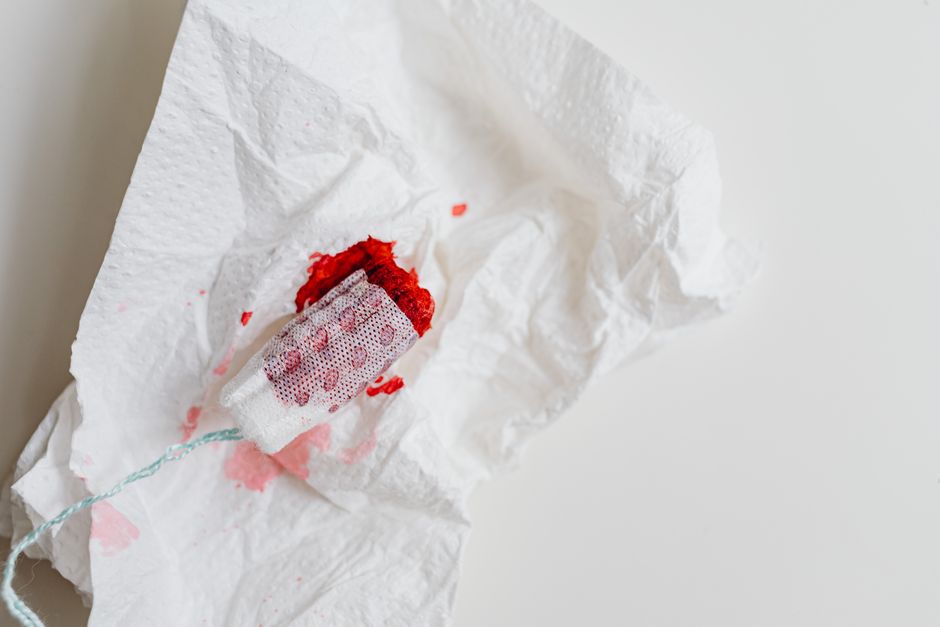
Breakthrough bleeding is spotting or light bleeding that happens when you least expect it, usually between periods or during pregnancy. To stop it, you first need to identify the cause — and that often means talking to your doctor. If you take birth control pills, taking them at the exact same time every day is the most reliable way to reduce breakthrough bleeding. For bleeding during early pregnancy, rest and avoiding heavy lifting are standard recommendations, but you must get medical guidance because some causes are serious. The short answer is: you cannot always stop it on your own, but consistent medication timing, lifestyle adjustments, and medical evaluation are your best tools.
What Exactly Is Breakthrough Bleeding?
Breakthrough bleeding is any vaginal bleeding that occurs outside your normal menstrual period. It is not the same as a regular period. The blood is often lighter — more like spotting — and can be pink, red, or brown.
This happens most often in two groups: women on hormonal birth control and women in early pregnancy. In birth control users, the bleeding usually comes from the uterus shedding its lining because hormone levels are not stable. In pregnancy, the cause can be something minor like implantation bleeding or something serious like a threatened miscarriage.
Research published in the journal Contraception found that up to 50% of women using hormonal birth control experience breakthrough bleeding in the first three months. The numbers drop significantly after that. The CDC also reports that about 15-25% of pregnant women experience some bleeding in the first trimester, and about half of those go on to have healthy pregnancies.
Knowing the difference between spotting and a true emergency is important. If the bleeding is heavy, has clots, or comes with severe pain, you need medical help immediately.
How Can You Stop Breakthrough Bleeding on Birth Control?
If you are on birth control pills, timing is everything. Taking your pill at the same hour every day keeps hormone levels steady. Even a three-hour delay can trigger spotting in some women. Set an alarm on your phone. Make it part of your morning routine.
For the patch or the ring, make sure they stay in place. The patch can peel off in heat or humidity. The ring can slip out during sex or heavy exercise. Check them daily. Replace them on schedule.
Some studies suggest that taking ibuprofen can help reduce breakthrough bleeding. A 2013 study in Human Reproduction found that ibuprofen 400 mg three times a day for five days reduced spotting in women using hormonal contraception. But do not do this without talking to your doctor first. Ibuprofen can irritate your stomach and affect your kidneys if used too often.
If you smoke, quitting can help. Smoking increases estrogen breakdown in your liver, which can lower your hormone levels and cause breakthrough bleeding. The American College of Obstetricians and Gynecologists (ACOG) lists smoking as a known risk factor.
What About Bleeding During Pregnancy?
Bleeding in early pregnancy is common but always deserves attention. If you are pregnant and see blood, call your doctor the same day. Do not wait.
For light spotting with no pain, the standard advice is to rest, avoid sex, and do not use tampons — use pads instead. Do not douche. Do not lift heavy objects. Stay hydrated. The evidence for bed rest actually stopping bleeding is weak, but avoiding physical strain makes sense until you know what is happening.
Your doctor will likely do an ultrasound to check for a heartbeat and rule out an ectopic pregnancy. Ectopic pregnancy is a medical emergency. If you have sharp pain on one side of your belly along with bleeding, go to the emergency room.
Some women have a subchorionic hematoma — a small pool of blood between the uterine wall and the pregnancy sac. These often resolve on their own with rest. But only an ultrasound can confirm this. Do not assume.





What Does Research Say About Stopping Breakthrough Bleeding?
The research is clear on one thing: there is no single cure that works for everyone. The cause matters more than the symptom.
For birth control users, a 2018 review in Cochrane Database of Systematic Reviews looked at dozens of studies on treatments for breakthrough bleeding. The review found that ibuprofen and tranexamic acid (a medication that helps blood clot) both reduced bleeding in some women. But the quality of evidence was moderate at best. The review also noted that changing to a different birth control pill — especially one with a different progestin — helped many women.
For pregnant women, the evidence is even less clear. A 2019 study in Obstetrics & Gynecology found that progesterone supplements did not prevent miscarriage in women with first-trimester bleeding. The study included over 4,000 women. Progesterone did not improve outcomes. That was a surprise to many doctors.
What the research agrees on: if you have an infection, a fibroid, or a polyp causing the bleeding, treating that specific issue stops the bleeding. So the diagnostic step is the most important one.
What Lifestyle Changes Help Reduce Breakthrough Bleeding?
Stress matters more than most people realize. High cortisol levels can disrupt your menstrual cycle and trigger spotting. A 2015 study in Journal of Women’s Health found that women with high perceived stress had twice the risk of irregular bleeding. Simple stress management — sleep, exercise, talking to someone — can make a real difference.
Weight also plays a role. Being significantly overweight or underweight can affect your hormone levels. The CDC reports that women with a BMI over 30 are more likely to have breakthrough bleeding on hormonal contraception. If your weight changes by more than 10 pounds, your birth control may need adjustment.
Here is a quick comparison of what helps and what does not:
| Intervention | Evidence Level | Notes |
|---|---|---|
| Consistent pill timing | Strong | Proven in multiple studies. Most effective single step. |
| Ibuprofen | Moderate | Works for some. Ask your doctor about dose and duration. |
| Smoking cessation | Strong | Smoking directly increases breakthrough bleeding risk. |
| Stress reduction | Moderate | Indirect but real effect on cycle regularity. |
| Changing birth control type | Strong | Switching pills or methods resolves bleeding for many women. |
| Bed rest in pregnancy | Weak | Commonly recommended but limited evidence it stops bleeding. |
When Should You See a Doctor for Breakthrough Bleeding?
You should see a doctor if the bleeding lasts more than three days, gets heavier, or comes with pain. Also see a doctor if you have gone through menopause and are bleeding — that is never normal and needs evaluation.
If you are on birth control and the bleeding does not stop after three months, your doctor may suggest switching to a pill with a different hormone dose or a different method entirely. The copper IUD, for example, often causes heavier bleeding, while hormonal IUDs like Mirena can cause spotting for the first three to six months.
Do not stop your birth control to see if the bleeding stops. That can cause withdrawal bleeding and make things worse. Instead, talk to your doctor about options.
For pregnant women, any bleeding in the second or third trimester requires immediate medical attention. It could indicate placenta previa, placental abruption, or preterm labor. These are serious conditions that need hospital care.
One more thing: if you have bleeding after sex, that is called postcoital bleeding. It can be caused by cervical polyps, infections, or in rare cases cervical cancer. The American Cancer Society recommends a Pap smear and possibly an HPV test if this happens more than once.
Common Misconceptions About Breakthrough Bleeding
A lot of bad information floats around online. Let me clear up a few things.
First, breakthrough bleeding does not mean your birth control is failing. It is not a sign of pregnancy in most cases. It is just your uterus adjusting to hormones. Pregnancy tests are cheap and reliable. If you are worried, take one.
Second, vitamin C does not stop breakthrough bleeding. Some websites claim that high doses of vitamin C strengthen blood vessels and reduce spotting. There is no clinical evidence for this. The same goes for vitamin K supplements. Do not take high doses of vitamins hoping to stop bleeding — they can cause side effects.
Third, drinking more water will not stop breakthrough bleeding. Dehydration can affect your overall health, but it does not directly cause or stop spotting. The idea comes from a misunderstanding of how the uterine lining works.
Fourth, having sex does not cause breakthrough bleeding in most cases. If you bleed after sex, the issue is likely your cervix, not your uterus. That is a different problem with different causes.
Frequently Asked Questions
Can I stop breakthrough bleeding by taking my pill at a different time?
No. Taking your pill at the exact same time every day is what helps. Changing the time can actually make bleeding worse.
How long does breakthrough bleeding last on birth control?
For most women, it lasts 2-3 months after starting a new method. If it continues beyond three months, talk to your doctor.
Is breakthrough bleeding during pregnancy always dangerous?
No. About half of women who bleed in early pregnancy go on to have healthy babies. But you should always call your doctor to be sure.
Does ibuprofen actually stop breakthrough bleeding?
Some studies show it helps reduce spotting in women on hormonal birth control. But it is not a guaranteed fix and should only be used under medical guidance.
