
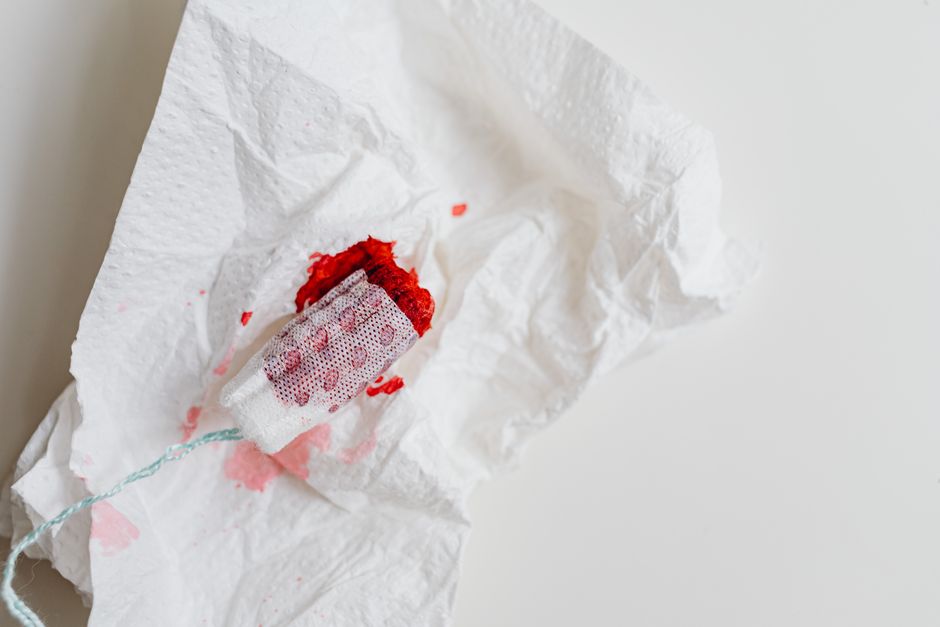
Breakthrough bleeding on the pill is frustrating, but it is usually not dangerous. The fastest way to stop it depends on why it started. If you missed pills, the most reliable fix is to take your pill as scheduled and allow your body a few days to adjust. If you have been taking the pill perfectly, the bleeding often stops on its own within a few days. Skipping your placebo week and starting the next pack immediately is a common medical strategy to shorten or stop a bleeding episode, but you should confirm this approach with your prescribing clinician before doing it.
What Actually Causes Breakthrough Bleeding?
Breakthrough bleeding is light bleeding or spotting that happens outside your scheduled period week. It happens because the lining of your uterus, called the endometrium, becomes unstable.
Combination birth control pills work by delivering steady levels of estrogen and progestin. These hormones keep the uterine lining thin. When hormone levels drop even slightly, or when the lining sheds unevenly, you get spotting. This is not a period. It is withdrawal bleeding from hormone fluctuation.
The most common triggers are missed pills, taking pills at inconsistent times, vomiting, or diarrhea that prevents absorption. Starting a new pill brand can also cause it. Your body may simply need time to adjust to a different progestin type or dose.
Smoking is another factor. Nicotine affects estrogen metabolism, which can make bleeding more likely. Some antibiotics and other medications can interfere with pill effectiveness, though the evidence for this varies by drug.
How To Stop Breakthrough Bleeding On The Pill Fast
If you have missed one or more active pills, take the most recent missed pill as soon as you remember. Then continue taking your pills on your normal schedule. You may take two pills in one day in this situation. This restores hormone levels quickly and is the single fastest way to stabilize the uterine lining.
If you have not missed any pills, do not double up. Taking extra hormones without a missed dose will not stop bleeding faster and can cause nausea or more irregular bleeding.
One clinically accepted strategy is to skip the placebo pills entirely. Instead of taking the sugar pills at the end of your pack, go straight into the next pack of active pills. This maintains continuous hormone exposure and often stops breakthrough bleeding within one to three days. This is sometimes called “bicycling” or “continuous dosing.”
Do not start this strategy without checking with your clinician first. Some pill brands and some medical conditions make continuous use less appropriate. Your clinician can confirm whether skipping your placebo week is safe for your specific pill formulation.
When Bleeding Continues Despite Perfect Use
Sometimes you do everything right and bleeding still happens. This is common in the first three months of starting a new pill. Your uterine lining is still responding to the new hormone profile. Most breakthrough bleeding resolves by the third month of consistent use.
If you have been on the same pill for more than three months and bleeding persists, talk to your clinician. The progestin type or dose may not be right for your body. Some people respond better to a pill with a different progestin. Others do better with a pill that has a higher estrogen dose.
Consistent timing matters. Taking your pill at the same time every day minimizes hormone fluctuations. Even a few hours of delay can trigger spotting in sensitive individuals. Set an alarm or use a daily reminder app if you struggle with timing.
Nonsteroidal anti-inflammatory drugs like ibuprofen are sometimes used short-term to reduce bleeding. Some research suggests NSAIDs can decrease menstrual blood loss. This is not a first-line treatment for breakthrough spotting, and you should not take NSAIDs daily without medical guidance due to stomach and kidney risks.




Does Your Pill Brand Matter?
Yes. Different progestins have different potencies and half-lives. A progestin that works well for one person may cause persistent spotting in another.
Monophasic pills deliver the same hormone dose every active day. Multiphasic pills change hormone levels across the cycle. Some people find monophasic pills cause less breakthrough bleeding because hormone levels are more stable.
Low-dose pills, which contain 20 micrograms of estrogen, are more likely to cause breakthrough bleeding than pills with 30 to 35 micrograms. This is a trade-off. Lower estrogen reduces certain risks, but it increases the chance of irregular bleeding.
If bleeding is persistent, your clinician may switch you to a different formulation. This is standard practice. It is not a sign that something is wrong with you.
What Breakthrough Bleeding Is Not
Breakthrough bleeding is not a period and it is not a sign that the pill has stopped working. The pill remains effective at preventing pregnancy even when spotting occurs, provided you have not missed pills.
Bleeding also does not mean you are pregnant. However, if you have missed pills and then experience unusual bleeding, take a pregnancy test. Missed pills increase pregnancy risk, and early pregnancy can cause bleeding that is easy to confuse with breakthrough spotting.
If the bleeding is heavy — soaking through a pad or tampon every hour for several hours — that is not breakthrough bleeding. Heavy bleeding warrants prompt medical attention. The same applies if you have severe pelvic pain, fever, or dizziness along with bleeding.
Lifestyle Factors That Influence Bleeding
Stress does not directly cause breakthrough bleeding, but it can affect how your body metabolizes hormones. High stress may contribute to irregular cycles in some people. The evidence here is not strong enough to call stress a direct cause, but managing stress is reasonable for overall health.
Weight changes can also matter. Significant weight gain or loss can alter hormone metabolism. This may require a dose adjustment in your pill.
Herbal supplements are a real concern. St. John’s Wort is known to increase the breakdown of estrogen and progestin in the liver. This can reduce pill effectiveness and cause breakthrough bleeding. If you take any supplements, review them with your pharmacist or clinician. This interaction is well documented.
When To See A Clinician
Make an appointment if breakthrough bleeding lasts longer than three consecutive months on the same pill. Also seek advice if bleeding becomes heavier over time or if you develop bleeding after sex.
Bleeding between periods can occasionally signal other conditions. Uterine fibroids, polyps, or cervical issues can cause bleeding that is unrelated to your pill. Your clinician can evaluate whether further testing is needed.
If you are over 35 and smoke, your clinician may recommend a different contraceptive method entirely. Combination pills carry increased cardiovascular risk for smokers over 35. This is not about the bleeding itself, but it is relevant to your overall pill safety.
No clinical guidelines recommend waiting indefinitely to see if bleeding resolves. Three months of consistent use is the standard observation window. After that, a formulation change is reasonable.
Practical Steps For Immediate Relief
While you wait for the bleeding to stop, use panty liners or light pads. Tampons are fine, but some people prefer liners for spotting because they are less drying to vaginal tissues.
Stay consistent with your pill schedule. Do not stop taking the pill to “let your body reset.” Stopping the pill will not stop breakthrough bleeding. It will only increase your pregnancy risk and restart the adjustment period when you resume.
Keep a record of your bleeding days. Note the date, the flow intensity, and whether you missed any pills. This information helps your clinician make a precise recommendation. A bleeding diary is one of the most useful tools for resolving persistent spotting.
If you decide to skip your placebo week, start the new pack on the day you would have taken the first placebo pill. Continue active pills until you choose to have a scheduled bleed. Many people do this for two to three packs at a time. Again, confirm this plan with your clinician first.
Frequently Asked Questions
Can I take two birth control pills to stop breakthrough bleeding?
Only if you missed a pill — in that case, take the missed pill as soon as you remember, which may mean two pills in one day. If you have not missed a pill, doubling up will not stop bleeding faster and can cause nausea.
How long does breakthrough bleeding last on the pill?
Spotting typically lasts two to five days when it is related to a missed pill or a new pill start. If bleeding continues beyond three months of consistent use, talk to your clinician about switching formulations.
Is it safe to skip the placebo week to stop bleeding?
It is a common clinical strategy, but you should confirm it with your clinician first. Skipping placebo pills and starting the next pack immediately maintains steady hormone levels and usually stops spotting within a few days.
Does breakthrough bleeding mean my pill is not working?
No. Breakthrough bleeding does not mean the pill has failed if you have taken your pills correctly. The pill still prevents pregnancy even when spotting occurs.
