
Body shaming is the practice of criticizing someone’s body size, shape, or appearance — and it happens everywhere. It shows up in families, schools, workplaces, social media, and the quiet voice inside your own head. Stopping it starts with recognizing it, changing how you talk about bodies in daily life, and building habits that separate a person’s worth from their weight or looks.
What Counts as Body Shaming?
Body shaming is any comment, joke, or judgment that treats a person’s body as a problem to be fixed or a target for ridicule. It is not limited to insults about weight. It includes mocking someone for being too thin, too muscular, too short, too tall, or for features like acne, hair texture, or skin color.
It also includes comments framed as concern. “Have you lost weight? You look so much better” sounds like a compliment. But it sends the message that the person’s value changed along with their body. That framing is what makes it shaming, even when the intent was kind.
Self-directed body shaming works the same way. It is the internal commentary that scans your reflection for flaws before anything else. Many people do not recognize it as shaming because it feels normal — like self-improvement rather than self-attack.
Researchers who study weight stigma have found it is common across many settings, including healthcare. A review published in Obesity Reviews documented that weight stigma is associated with poorer mental health and can discourage people from seeking medical care. That is a meaningful finding because it shows body shaming is not just rude. It has measurable consequences.
Why Does Body Shaming Happen?
Body shaming is learned behavior, not instinct. Children absorb it from the adults around them, from peers, and from media long before they form opinions about their own bodies.
Several forces keep it going:
- Cultural beauty standards. Every era and culture defines an “ideal” body, and anything outside it gets treated as inferior.
- The illusion of control. People assume body size is fully within a person’s control. That belief makes criticism feel justified. In reality, body weight is shaped by genetics, medications, hormones, medical conditions, income, food access, stress, and sleep — not just diet and exercise.
- Projection. People who are unhappy with their own bodies often criticize others. It is a way of deflecting discomfort.
- Social bonding. Joking about bodies can feel like connection. It rarely lands that way for the person on the receiving end.
The “just eat less and move more” framing is one of the most persistent myths in this space. It treats a complex biological system as simple arithmetic. That oversimplification is a major reason body shaming persists — it convinces people that a person’s body is a moral failing rather than a biological outcome.
How Do You Stop Body Shaming Yourself?
Stopping self-directed body shaming takes deliberate practice. It is not about forcing yourself to love your body overnight. The goal is to reduce the frequency and intensity of negative self-talk until it no longer runs the show.
Notice the thought before you judge it
The first step is catching the shaming thought as it happens. Most people experience these thoughts so automatically they do not register them. Try tracking them for a few days — when they show up, what triggered them, and how they made you feel.
Separate the thought from the fact
“I’m disgusting” is a thought, not a fact. It is a feeling dressed up as a statement about reality. Naming it as a thought — “I’m having the thought that I’m disgusting” — creates distance. This technique comes from cognitive behavioral therapy and is well established for managing intrusive negative thoughts.
Change what you do, not just what you think
Behavior follows thought, and thought follows behavior. Avoiding mirrors, scales, or social situations reinforces the belief that your body is something to hide. Gradually reducing avoidance — even in small steps — tends to weaken that belief over time.
Watch what you consume
Social media feeds that promote one narrow body type are linked to worse body image. Some studies suggest that curating your feed to include diverse body sizes and shapes is associated with improved body satisfaction. Unfollowing accounts that make you feel worse is a low-cost change with real potential benefit.
Get support when self-help is not enough
If body shaming thoughts are constant, interfere with eating, or come with symptoms of depression or anxiety, that is a signal to talk to a doctor or mental health professional. Body dysmorphic disorder and eating disorders are real, treatable conditions. They are not willpower problems.





How Do You Stop Body Shaming Others?
Stopping body shaming in others starts with your own language. People mirror what they hear. When you stop commenting on bodies, the people around you often follow.
Some practical shifts:
- Drop the appearance commentary. Replace “You look great — did you lose weight?” with “It’s good to see you.”
- Do not comment on what people eat. Food policing is body shaming in disguise.
- Interrupt jokes about bodies. You do not need a lecture. A simple “Let’s not” or changing the subject is enough.
- Speak up in private when you can. Public callouts often trigger defensiveness. A quiet word later is more likely to land.
- Model the behavior you want. If you criticize your own body out loud, others learn it is acceptable. Stop doing it in front of them.
With children, the stakes are higher. Research indicates that children who experience weight-based teasing are more likely to develop disordered eating and low self-esteem. Do not comment on a child’s body at all — not even positively. Comment on what their body can do, how they feel, and what they are interested in.
Does Body Positivity Actually Help?
The body positivity movement has done real good. It has pushed back on narrow beauty standards and created space for people who were previously invisible in media.
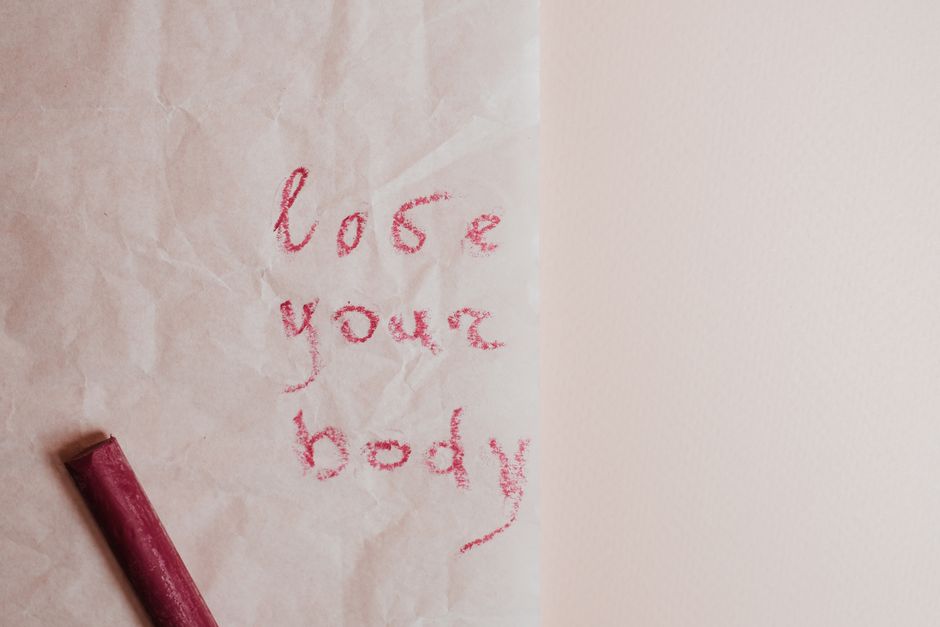
But there is a nuance worth understanding. Body positivity originally came from marginalized communities and was about visibility and rights. In its mainstream form, it has shifted toward “love your body always.” That message can backfire. If you do not love your body, being told you should can feel like one more thing you are failing at.
Body neutrality is a different approach. It asks you to stop evaluating your body at all — not love it, not hate it, just live in it. For many people, that is a more reachable goal. Some research suggests that reducing appearance-focused thinking, rather than replacing negative thoughts with positive ones, is associated with better psychological outcomes. The evidence here is still developing, but the logic is sound.
Neither approach is a cure. Both are frameworks. Neither replaces professional help for a clinical condition.
What Role Do Families and Workplaces Play?
Body shaming is often most damaging in the places you cannot leave — home and work.
In families, it frequently passes between generations. A parent who was shamed as a child may shame their own child without realizing it. Breaking that cycle requires noticing it, naming it, and choosing different words. It also means setting boundaries with relatives who comment on your body or your children’s bodies. “We don’t talk about bodies in this house” is a complete sentence.
In workplaces, body shaming can be subtle — jokes in meetings, comments about what colleagues eat, or assumptions about someone’s capabilities based on their size. Weight-based discrimination is not universally covered by anti-discrimination law in the United States, though some states and cities have added protections. Regardless of legal status, workplaces that tolerate body shaming tend to have lower trust and higher turnover.
If you are in a position of authority — a manager, teacher, coach, or parent — your words carry more weight. That means more responsibility to get them right.
When Should You Get Professional Help?
Body shaming becomes a clinical concern when it starts shaping behavior in harmful ways. Warning signs include:
- Avoiding social events, work, or school because of how you feel about your body
- Restricting food, bingeing, purging, or over-exercising to change your body
- Checking mirrors or scales compulsively
- Persistent thoughts about a perceived flaw that others do not see
- Withdrawing from people or losing interest in things you used to enjoy
These patterns overlap with eating disorders and body dysmorphic disorder, both of which have established treatment approaches including therapy and, in some cases, medication. No clinical guidelines recommend “just getting over it.” If any of the above sounds familiar, a primary care doctor or licensed mental health professional is the right starting point.
Frequently Asked Questions
What is the difference between body shaming and constructive health concern?
Body shaming focuses on appearance and worth; a health concern focuses on specific, measurable health issues discussed with a medical professional. If a comment is about how someone looks rather than how they feel or function, it is almost certainly shaming.
Can body shaming cause an eating disorder?
Body shaming is a known risk factor for disordered eating, particularly in adolescents and young adults. It is not the sole cause — eating disorders are complex conditions with genetic, psychological, and environmental contributors — but weight-based teasing and criticism consistently appear in the research as contributing factors.
How do I respond when a family member comments on my weight?
You can set a boundary without a confrontation: “I’d rather not talk about my weight” or “Please don’t comment on my body.” If the behavior continues, limiting how much time you spend in that setting is a reasonable next step.
Is it possible to stop body shaming without therapy?
Many people reduce self-directed body shaming through self-help strategies like thought tracking, media curation, and boundary setting. If the thoughts are persistent, distressing, or tied to disordered eating behaviors, professional support is strongly recommended.
