
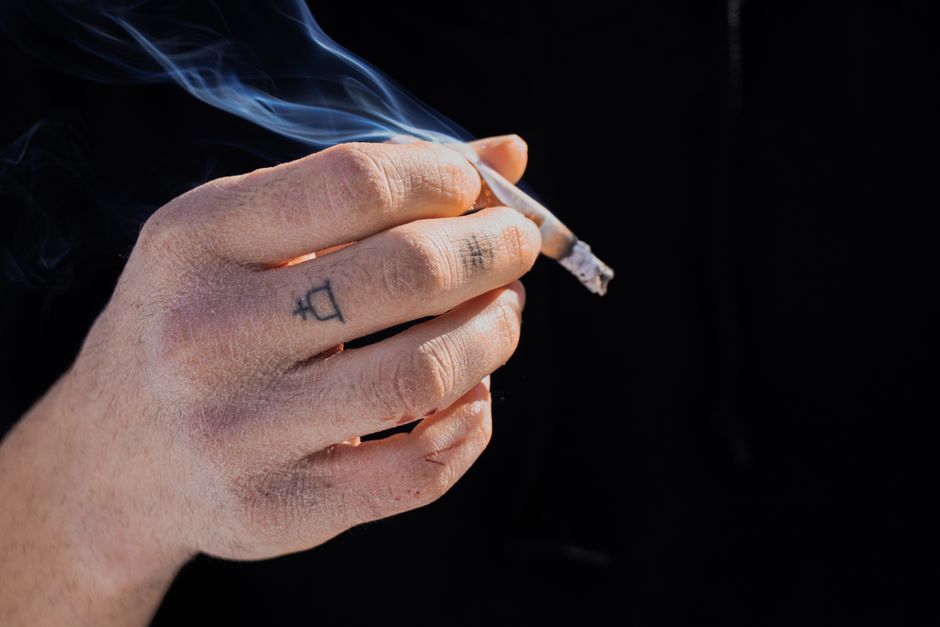
Smoking cannabis can trigger intense paranoia in some people — a racing heart, the sense that something is wrong, or the feeling that others are watching or judging you. This reaction is common and it has a real physiological basis. The main driver is THC, the compound in cannabis that produces the “high.” THC can push your body into a stress response that feels a lot like anxiety or fear. The good news is that for most people, the paranoia is temporary and there are concrete steps to reduce it.
Why You Get Paranoid When You Smoke And How To Stop It?
THC activates the same brain systems that respond to real threats. When THC binds to receptors in the brain, it can increase heart rate, sharpen sensory perception, and disrupt the way your brain processes time and social cues. Your body reads these changes as danger, even when no danger exists.
Research published in the journal Neuropsychopharmacology and other peer-reviewed sources has found that THC can increase anxiety and paranoia in a dose-dependent way. That means higher doses tend to produce stronger effects. This is not a sign of weakness or a personal failing. It is a predictable drug effect that varies from person to person based on genetics, tolerance, dose, and setting.
The key distinction is between acute paranoia — a temporary reaction that fades as the drug wears off — and persistent paranoia that continues after the drug has cleared. The first is common and manageable. The second is less common and worth discussing with a doctor.
What Is Happening in Your Brain When You Smoke?
THC works by binding to cannabinoid receptors in the brain, primarily CB1 receptors. These receptors are concentrated in areas that control memory, emotion, fear, and sensory processing — the hippocampus, amygdala, and prefrontal cortex.
When THC activates these receptors, it disrupts normal signaling. The amygdala, which helps detect threats, can become overactive. The prefrontal cortex, which helps you reason through fear, can become less effective. The result is a state where your threat-detection system is turned up and your rational override is turned down.
THC also increases heart rate and can cause blood pressure changes. A racing heart is one of the most common physical symptoms of anxiety. When your brain notices a fast heartbeat, it may interpret that as evidence that something is wrong. This creates a feedback loop: the physical symptom feeds the psychological fear, which feeds more physical arousal.
Some research also suggests that THC can increase activity in brain regions involved in self-referential thinking — the part of your mind that focuses on how others see you. This may explain why paranoia from cannabis often has a social flavor: feeling judged, watched, or talked about.
Why Some People Get Paranoid and Others Do Not
Not everyone who smokes gets paranoid. Several factors influence whether you will.
- Dose and potency. Higher-THC products are more likely to trigger anxiety and paranoia. Concentrates and edibles can deliver much larger doses than smoked flower.
- Tolerance. People who use cannabis regularly may develop some tolerance to the paranoia-inducing effects, though this is not guaranteed.
- Genetics. Variations in genes related to dopamine and cannabinoid signaling may affect how sensitive you are to THC’s effects.
- Setting and mindset. Unfamiliar places, social pressure, or already feeling anxious can increase the risk.
- Mental health history. People with a personal or family history of anxiety, depression, or psychosis may be more vulnerable to THC-induced paranoia.
- Other substances. Alcohol, caffeine, or stimulants can compound the effect.
Age may also matter. The brain continues developing into the mid-20s, and cannabis use during adolescence has been associated with a higher risk of psychiatric symptoms in some studies. The evidence on causation is mixed, but the association is consistent enough that many clinicians advise caution for young people.





What to Do If You Are Paranoid Right Now
If you are currently high and feeling paranoid, the first thing to know is that the feeling will pass. THC’s acute effects typically last a few hours, though edibles can last longer because they are processed differently by the liver.
Here are steps that can help in the moment:
- Change your environment. Move to a quiet, familiar, well-lit space. Reduce noise and stimulation.
- Remind yourself what is happening. Say it plainly: “I used cannabis. This is a drug effect. It will wear off.”
- Breathe slowly. Slow, deliberate breathing can help calm the physical stress response. Try breathing in for a count of four and out for a count of six.
- Drink water. Staying hydrated will not “flush out” THC quickly, but it supports general comfort and gives you something grounding to do.
- Do not use more. Adding more cannabis or alcohol will likely make things worse.
- Call someone you trust. Having a calm person with you can reduce the sense of isolation that fuels paranoia.
If you are having thoughts of harming yourself or others, or if you feel like you are losing touch with reality in a way that does not improve, seek emergency medical help. That is not an overreaction. It is the right call.
How to Reduce Your Risk of Getting Paranoid Next Time
If you choose to use cannabis and want to lower your odds of a paranoid reaction, the most effective approach is to reduce your dose. Start with a very small amount and wait before using more. This is especially important with edibles, which can take one to two hours to fully take effect. Many people make the mistake of eating more because they “do not feel it yet,” then end up with a much stronger dose than intended.
Other steps that may help:
- Choose products with lower THC content or a more balanced ratio of THC to CBD. Some evidence suggests CBD may soften some of THC’s anxiety-provoking effects, though the research is not conclusive.
- Avoid mixing cannabis with alcohol or stimulants.
- Use only in comfortable, familiar settings, especially if you are prone to anxiety.
- If you have a history of panic attacks or psychosis, talk to a doctor before using cannabis. For some people, the risk is not worth it.
There is no guaranteed way to prevent paranoia from cannabis. Individual responses vary, and the same person can react differently on different days. If paranoia happens repeatedly, that is useful information. It may mean cannabis is not a good fit for you.
When Paranoia Is a Sign of Something More Serious
For most people, cannabis-induced paranoia is temporary and resolves as the drug wears off. But in some cases, it can be a sign of a more serious issue.
Seek medical evaluation if:
- Paranoia or anxiety continues for hours or days after the drug should have worn off.
- You lose touch with reality, hear voices, or have beliefs that others find clearly false.
- You have a family history of schizophrenia or bipolar disorder and experience persistent symptoms after using cannabis.
- You feel unable to stop using cannabis even though it causes paranoia or other problems.
Research has not established that cannabis directly causes schizophrenia in people without other risk factors. However, studies consistently show an association between heavy cannabis use — especially high-THC products — and an increased risk of psychotic symptoms, particularly in people who are already vulnerable. The relationship is complex and likely involves both genetic and environmental factors.
Can CBD Help With Cannabis Paranoia?
CBD, or cannabidiol, is another compound found in cannabis. Unlike THC, it does not produce a high and does not appear to activate CB1 receptors in the same way. Some research suggests that CBD may reduce anxiety and might offset some of THC’s negative effects when taken together.
However, the evidence here is limited and mixed. Some studies show a benefit, while others do not. There is no established dose of CBD that reliably prevents or treats cannabis-induced paranoia. If you are considering CBD for this purpose, talk to a doctor. Do not assume it will work based on marketing claims.
It is also worth noting that CBD products are not tightly regulated in the US. What is on the label may not match what is in the bottle. This makes it hard to know what you are actually getting.
Is It Safe to Keep Smoking If You Get Paranoid?
That depends on how often it happens and how severe it is. Occasional mild paranoia that fades quickly is uncomfortable but not dangerous for most people. Repeated, intense paranoia — especially if it involves losing touch with reality — is a different situation.
No clinical guidelines say it is safe to continue using cannabis if it regularly causes paranoia. Some clinicians advise stopping entirely. Others suggest reducing dose or switching to lower-THC products. The honest answer is that individual risk varies, and there is no one-size-fits-all recommendation. If cannabis is making you feel paranoid, that is your body telling you something. Listening to it is reasonable.
Frequently Asked Questions
Why does smoking weed make me so paranoid?
THC activates brain regions involved in fear and threat detection while reducing activity in areas that help you reason through those feelings. This can create a state that feels like anxiety or paranoia, especially at higher doses.
How long does weed paranoia last?
Smoked cannabis effects typically peak within 10 to 30 minutes and fade over a few hours. Edible effects can last longer, sometimes six hours or more, because the liver processes THC differently.
Does CBD stop weed paranoia?
Some research suggests CBD may reduce anxiety and soften some of THC’s effects, but the evidence is not conclusive. There is no established dose that reliably prevents paranoia.
Should I stop smoking if it makes me paranoid?
If paranoia happens often or feels intense, reducing your dose or stopping is reasonable. Talk to a doctor if symptoms persist after the drug wears off or if you have a history of mental health conditions.
