
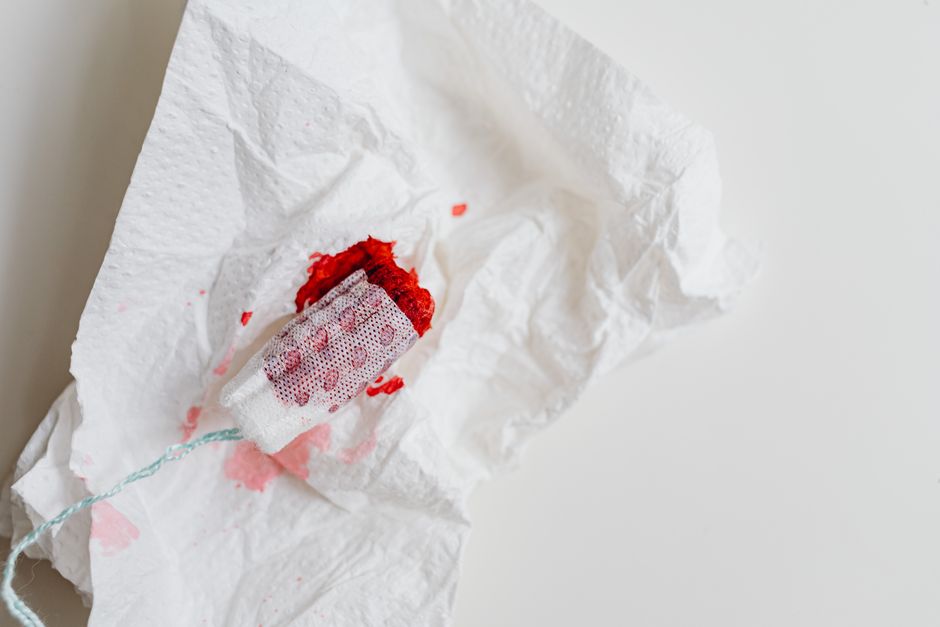
Heavy bleeding after a miscarriage is the main reason a D&C becomes necessary. A D&C — dilation and curettage — is a procedure to remove remaining pregnancy tissue from the uterus. It is typically needed when bleeding is heavy enough to threaten your health, when tissue remains after a miscarriage, or when signs of infection appear. Mild bleeding and cramping are normal after a miscarriage. Bleeding that soaks a pad in an hour, lasts for weeks, or comes with fever and severe pain is not.
When Is A D&C Needed After a Miscarriage With Heavy Bleeding?
A D&C is needed when the uterus still holds pregnancy tissue and the body cannot pass it on its own. This is called an incomplete miscarriage. The tissue keeps the uterus from clamping down, so bleeding continues or gets worse instead of tapering off.
Doctors look at several signs together, not just how much blood they see:
- Bleeding that soaks through one pad per hour for two hours or more
- Large clots, especially clots the size of a golf ball or bigger
- Dizziness, weakness, or fainting from blood loss
- An ultrasound showing tissue still inside the uterus
- Fever, chills, or foul-smelling discharge, which can point to infection
Any one of these may prompt a doctor to recommend the procedure. Bleeding alone does not always mean surgery. Many incomplete miscarriages pass on their own within a week or two. The decision depends on how much you are bleeding, how you feel, and what the ultrasound shows.
What Does Heavy Bleeding After a Miscarriage Actually Look Like?
Normal bleeding after a miscarriage is like a heavy period at first, then it lightens. It usually lasts about one to two weeks. Spotting can come and go for a bit longer.
Heavy bleeding is different. It fills a pad quickly. It may come with clots larger than a quarter. You might feel lightheaded or your heart might race. These are signs your body is losing blood faster than it can replace it.
Here is the part many people do not know: bleeding can get heavier a few days after a miscarriage, not just at the start. As hormone levels drop, the uterus may shed more tissue. So a sudden increase in bleeding days later is not always a sign something is wrong — but if it is heavy, it needs to be checked right away.
If you are soaking a pad every hour, passing very large clots, or feeling faint, that is a medical emergency. Go to an emergency room or call 911. Do not wait to see your regular doctor.
What Are the Treatment Options Besides a D&C?
A D&C is one of three main ways to manage a miscarriage. The others are waiting and medication. Each has trade-offs, and the right choice depends on your situation.
Expectant management means waiting for the tissue to pass on its own. This can take days to weeks. It works for many people, but bleeding may be unpredictable and heavier than with the other options.
Medication uses drugs to help the uterus empty. It often works, but it can cause strong cramping and heavy bleeding for several hours. Sometimes it does not fully clear the uterus, and a D&C is still needed afterward.
D&C removes the tissue directly. It usually stops the bleeding quickly and gives a clear result. It also carries small risks from surgery and anesthesia.
No single option is best for everyone. A doctor weighs how much you are bleeding, whether there are signs of infection, your preferences, and how far along the pregnancy was.





What Happens During and After a D&C?
A D&C is usually a short outpatient procedure. It often takes less than 30 minutes. You may be given general anesthesia or sedation, so most people feel nothing during it.
The doctor opens the cervix slightly and gently removes the remaining tissue. Afterward, you rest for a short time before going home. Most people return to normal activities within a day or two.
Light bleeding and cramping for a few days after the procedure are common. Call your doctor if you notice:
- Bleeding that gets heavier instead of lighter
- Fever or chills
- Pain that worsens
- Foul-smelling discharge
These can be signs of infection or leftover tissue. Both are treatable, but they need attention.
How Do You Know If Bleeding Is Dangerous?
The clearest warning signs are bleeding that will not slow down and symptoms of losing too much blood. Watch for a racing heartbeat, pale skin, confusion, or fainting. These mean you need emergency care now.
Do not drive yourself. Call 911 or have someone take you to the nearest emergency room.
Other signs that need a prompt call to your doctor, even if they are not emergencies:
- Bleeding that lasts longer than two weeks
- Bleeding that suddenly gets heavier after slowing down
- Pain or cramping that gets worse over time
- Any fever
Trust your sense of what is normal for your body. If something feels wrong, it is reasonable to get checked. You will not be seen as overreacting.
Can a D&C Be Avoided?
Sometimes, yes. If the miscarriage is complete and bleeding is light, no procedure is needed. If tissue remains but you are stable, waiting or using medication are real options.
A D&C is not automatic after every miscarriage. Many people pass everything on their own. The procedure becomes the better choice when bleeding is heavy, when infection is a concern, or when waiting has not worked.
If you are unsure, ask your doctor these questions:
- Is there tissue left in my uterus?
- How much bleeding is too much for my situation?
- What are my options besides surgery?
- What signs should send me to the emergency room?
Getting clear answers helps you decide with your doctor rather than guessing.
Does a D&C Affect Future Pregnancies?
For most people, a D&C does not affect the ability to get pregnant later. It is a common and generally safe procedure. Serious complications are uncommon.
There is a small risk of scarring in the uterus, called adhesions, especially after more than one D&C. This can affect future pregnancies in rare cases. Because of this, doctors do not recommend the procedure unless there is a clear reason for it.
If you have had repeated miscarriages or multiple D&Cs, talk with your doctor about your history. They can factor it into your care.
Frequently Asked Questions
How much bleeding after a miscarriage is too much?
Soaking through one pad per hour for two hours or more is too much and needs urgent care. Large clots or feeling faint are also emergency signs.
Can I pass a miscarriage without a D&C?
Yes, many people pass the tissue on their own, usually within a week or two. A D&C is needed only when bleeding is heavy, tissue remains, or infection is a concern.
What are the signs of infection after a miscarriage?
Fever, chills, foul-smelling discharge, and worsening pain can point to infection. These need prompt medical care, not waiting.
Is heavy bleeding after a miscarriage always an emergency?
No, but bleeding that soaks a pad each hour, causes fainting, or comes with a racing heartbeat is an emergency. Call 911 or go to the nearest emergency room.
