
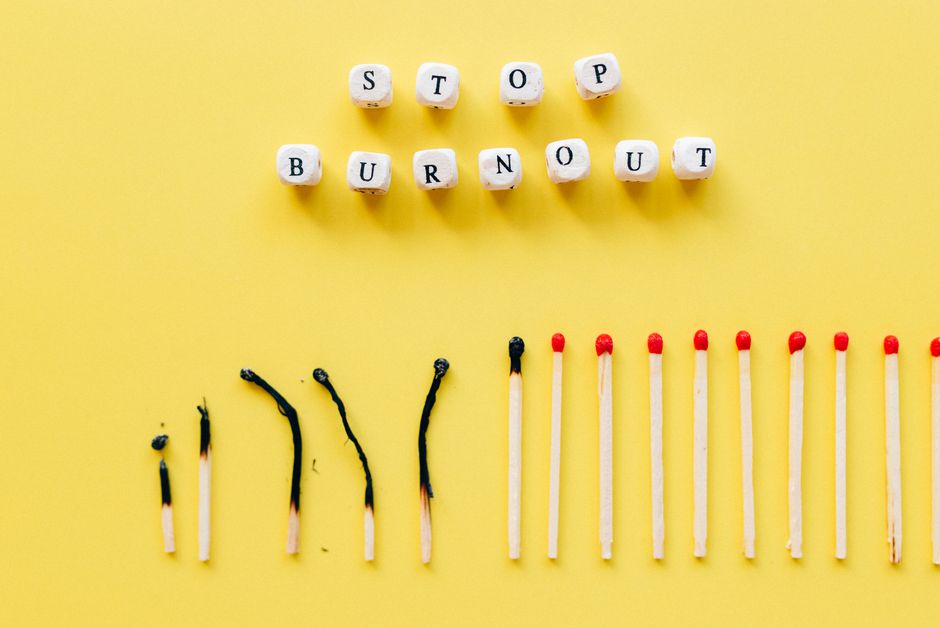
Being “chronically online” means your default state is plugged in — phone in hand, tabs open, feeds refreshing — and it has started to crowd out sleep, focus, and real-life connection. There is no single switch to flip, but the fix is not complicated: make the online default harder to reach, rebuild offline routines, and treat your attention like something worth protecting. The hard part is not knowing what to do. It is doing it when every app is engineered to pull you back.
What Does It Actually Mean To Be Chronically Online?
The phrase started as internet slang, but it describes something real. Being chronically online means your attention lives on the internet by default, not by choice. You reach for your phone before you are fully awake. You check notifications during conversations. You feel uneasy when you cannot see what is happening online.
It is not the same as spending a lot of time online for work or genuine interest. The difference is compulsion and displacement. If screen time is crowding out sleep, movement, meals, or time with people you care about, that is the signal — not the raw number of hours.
Researchers who study problematic internet use generally look at a few markers: you lose track of how long you have been on, you keep going past the point you intended, you feel restless or irritable when you cannot check in, and it interferes with daily life. Most people who feel “chronically online” are not in clinical territory, but the pattern is worth taking seriously.
Why Is It So Hard To Stop Being Chronically Online?
The platforms are built to hold your attention, and they are good at it. Feeds deliver new content in an unpredictable pattern — sometimes interesting, sometimes not. That variability is what makes a slot-machine-style reward loop so sticky. You keep scrolling because the next item might be the good one.
Two other forces make it worse.
- Variable rewards. Likes, replies, and new posts arrive on no fixed schedule. Unpredictable rewards are harder to walk away from than predictable ones.
- The boredom reflex. Any idle moment — waiting in line, standing in a kitchen — gets filled instantly. Over time the brain stops tolerating even brief stretches of nothing.
There is also a design detail many people miss: infinite scroll removes every natural stopping point. A book has chapters. A newspaper has pages. A feed has no end, so quitting has to be a decision you make rather than a moment the app hands you.
How Do You Know If You Are Chronically Online?
Honest self-assessment beats a screen-time number. Ask whether any of these are true for you.
- You check your phone within minutes of waking, most days.
- You feel anxious or irritable when you cannot check notifications.
- You have tried to cut back and found it harder than expected.
- Screen time is eating into sleep, exercise, or time with people.
- You scroll even when you are not enjoying it.
Two or three of these is common and not alarming. When several are true and they are affecting your health or relationships, that is when it deserves real attention. Some clinicians use the term “problematic use” for this pattern, though it is not an official diagnosis in the main psychiatric manual.





How Do You Actually Stop Being Chronically Online For Good?
The most reliable approach is to change your environment so the default behavior becomes harder, not to rely on willpower in the moment. Willpower is weakest exactly when you need it — tired, bored, or stressed.
Start with friction. Move the apps off your home screen. Turn off non-essential notifications. Keep your phone out of the bedroom and charge it in another room. Log out of the accounts you check compulsively so you have to type a password each time. None of this is dramatic, but each step adds a small pause between the urge and the action.
Then rebuild what the phone was filling.
- Set a morning buffer: no phone for the first stretch after waking. Even twenty minutes helps.
- Schedule a daily offline block — a walk, a meal, a hobby — and treat it like an appointment.
- Keep a book, a notebook, or something to do within arm’s reach where you usually scroll.
- Use app timers or a screen-time tool, and take the limits seriously.
One clarification worth holding onto: the goal is not zero screen time. The internet is genuinely useful and often enjoyable. The goal is that being online is a choice you make rather than a state you live in.
Does Cutting Back On Screen Time Actually Help?
Some studies suggest that reducing social media use can improve mood and sleep in people who feel their use is a problem. The evidence is mixed, and the effects tend to be modest rather than dramatic. A single “digital detox” weekend rarely produces lasting change.
What appears to matter more than total hours is what you are doing and how you feel about it. Passive scrolling — watching other people’s lives without interacting — tends to be linked with worse mood than active, intentional use. So the quality of the time, not just the quantity, is worth paying attention to.
Be skeptical of any product claiming to cure compulsive phone use. No app, supplement, or device has been shown to fix this on its own. The behavioral changes do most of the work.
What Happens When You Cut Back?
Expect the first few days to feel uncomfortable. You will reach for your phone out of habit and find nothing there. You may feel restless, bored, or mildly anxious. This usually eases as your brain adjusts to the quieter input.
Most people notice a few things within a week or two: better sleep when the phone is out of the bedroom, more patience during idle moments, and a sense that time is less fragmented. These are common reports, not guaranteed outcomes — individual experience varies, and there is no reliable timeline that applies to everyone.
If cutting back triggers strong anxiety, low mood, or a feeling you cannot cope without being online, that is worth discussing with a doctor or mental health professional. Problematic internet use can overlap with anxiety, depression, or ADHD, and those conditions deserve proper care rather than a self-help fix.
How Do You Make It Stick Long Term?
Relapse is normal. You will have a heavy week and fall back into old patterns. The people who succeed do not avoid that — they notice it and reset without treating it as failure.
A few habits make the change durable.
- Replace, do not just remove. Fill the time with something you actually want to do.
- Tell someone. A friend or partner who knows your goal makes it easier to keep.
- Review occasionally. Check your screen time every few weeks and adjust.
- Protect the wins. If the phone-free bedroom is working, do not undo it.
The point is not to become a person who never uses the internet. It is to become a person who decides when to be online and when to be present somewhere else — and who can tell the difference.
Frequently Asked Questions
How many hours a day is considered chronically online?
There is no official cutoff. What matters more is whether screen time interferes with sleep, relationships, or daily responsibilities, and whether you feel unable to cut back.
Two people with the same hours can have very different relationships with the internet, so the number alone is not the measure.
Can you be chronically online without social media?
Yes. News sites, forums, video platforms, and messaging apps can all create the same compulsive pattern. The feature that matters is endless, always-available content, not any single app.
How long does it take to break the habit?
There is no fixed timeline, and individual experience varies widely. Many people notice the strongest urges fade within the first week or two, while fully rebuilding offline habits can take longer.
When should you talk to a doctor about it?
Seek professional help if your internet use is causing serious problems with work, sleep, or relationships, or if you feel anxious or depressed without it. Problematic internet use can overlap with other conditions that benefit from proper treatment.
