
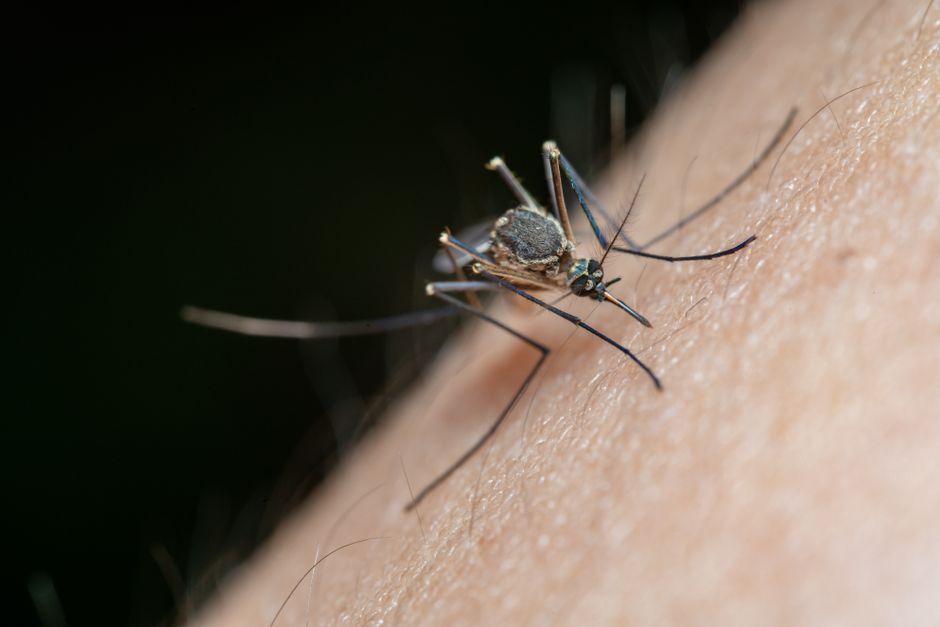
Bed bug bites itch because your body releases histamine to fight the saliva the bug leaves behind. To stop the itch fast, wash the area with soap and water, then apply a cold compress for 10 minutes. After that, use an over-the-counter hydrocortisone cream or an oral antihistamine like diphenhydramine (Benadryl). This combination tackles both the inflammation and the allergic response directly.
What Causes Bed Bug Bites to Itch So Much?
Bed bugs feed on blood. When they bite, they inject saliva that contains an anesthetic and an anticoagulant. Your immune system sees this saliva as a foreign substance. It releases histamine to attack it.
Histamine causes blood vessels to widen and fluid to leak into the surrounding tissue. That creates redness, swelling, and the intense urge to scratch. Some people react within minutes. Others do not show a reaction for several days. The itch itself is a type of allergic reaction. It is not an infection.
The severity of the itch depends on your individual sensitivity. Some people barely notice bites. Others develop large welts that itch for over a week. Research published in the Journal of the American Academy of Dermatology notes that about 70 percent of people develop some skin reaction to bed bug bites. The remaining 30 percent have no visible reaction at all.
What Is the Fastest Way to Stop Bed Bug Bites From Itching?
The fastest relief comes from a cold compress. Ice numbs the nerve endings that send itch signals to your brain. Wrap ice in a thin cloth and press it against the bite for 10 to 15 minutes. Do not put ice directly on skin. That can cause frostbite.
After the compress, apply a topical anti-itch cream. Hydrocortisone 1 percent cream is the standard first choice. It reduces inflammation directly at the site. Calamine lotion also works for some people. It cools the skin and dries out any oozing.
If the itch is widespread or very intense, an oral antihistamine works faster than cream alone. Diphenhydramine (Benadryl) starts working within 30 minutes. It blocks histamine throughout your body. The trade-off is drowsiness. For daytime use, loratadine (Claritin) or cetirizine (Zyrtec) cause less sedation. They take about an hour to kick in.
The CDC recommends this three-step approach: clean, cool, and calm. Wash with soap and water first. Then cool with ice. Then calm the reaction with medication. This sequence stops the itch faster than any single step alone.
Does How To Stop Bed Bug Bites From Itching Fast Change Based on Bite Location?
Yes. Bites on thin skin areas like the eyelids, lips, or between fingers need different care. Hydrocortisone cream is too strong for the face or eyelids. It can thin the skin or cause irritation near the eyes. For the face, stick to a cold compress and an oral antihistamine only.
Bites on the arms and legs respond well to hydrocortisone. Bites on the torso often benefit from calamine lotion because it dries out the area and reduces friction from clothing. Bites on the feet or hands tend to swell more because those areas have less fat padding. Elevating the limb for 10 minutes after applying treatment can reduce swelling.
Scratching is the biggest risk regardless of location. Broken skin can lead to bacterial infection. The most common infection from scratching bed bug bites is cellulitis. Signs include increasing redness, warmth, and pus. If you see those signs, stop self-treatment and see a doctor.

What Home Remedies Actually Work for Bed Bug Bite Itch?
Some home remedies have real evidence behind them. Others are just stories people pass around. Here is what the science says.
| Remedy | What the Evidence Shows |
|---|---|
| Cold compress | Strong evidence. Nerves stop sending itch signals at cold temperatures. |
| Aloe vera gel | Moderate evidence. Reduces inflammation and cools the skin. Pure gel works best. |
| Baking soda paste | Weak evidence. May dry the bite but does not reduce histamine. Some people report relief. |
| Oatmeal bath | Moderate evidence. Colloidal oatmeal has anti-inflammatory properties. Soak for 15 minutes. |
| Tea tree oil | Weak evidence. One small study showed some anti-itch effect. Can irritate skin at full strength. |
| Rubbing alcohol | Not recommended. Dries skin and can worsen itching over time. Provides brief cooling only. |
None of these home remedies work as fast or as reliably as hydrocortisone or an oral antihistamine. They are reasonable second choices if you cannot get to a pharmacy. But they are not faster.
What Should You Avoid When Treating Bed Bug Bites?
Do not scratch. Scratching damages the skin barrier and releases more histamine, which makes the itch worse. It is a feedback loop. The more you scratch, the more it itches.
Do not use heat. Some people try hot spoons or hair dryers thinking heat kills the itch. Heat actually increases blood flow to the area, which worsens inflammation and swelling. Heat can also burn the skin if you are not careful.
Do not apply undiluted essential oils. Tea tree oil, peppermint oil, and lavender oil are commonly recommended online. Applied directly to skin, they can cause contact dermatitis. That adds a chemical burn on top of the bite. If you want to try essential oils, dilute one drop in a teaspoon of carrier oil like coconut or jojoba.
Do not use hydrogen peroxide. It kills bacteria but also damages healthy skin cells. It slows healing and can make the bite more irritated. Soap and water are better for cleaning.
Do not take antihistamines longer than needed. Oral antihistamines are safe for short-term use. Taking them daily for weeks without a doctor’s approval is not recommended. If the itch lasts longer than two weeks, see a dermatologist.
How Do You Know If a Bed Bug Bite Is Infected?
Infection is the main complication from bed bug bites. It happens when bacteria enter through broken skin. The most common sign is that the bite gets more red and swollen instead of less over time.
Other signs of infection include:
- Warmth around the bite that spreads
- Yellow or green pus draining from the area
- Red streaks moving away from the bite
- Fever or chills
- Pain that gets worse instead of better
If you have any of these signs, see a doctor. You may need a prescription antibiotic. Do not try to treat an infection with over-the-counter creams. They will not work.
The CDC estimates that about 1 in 20 people with bed bug bites develop a secondary skin infection. Most cases are mild and clear with antibiotics. But untreated infections can spread to deeper tissue and require hospitalization.
Does Getting Rid of Bed Bugs Stop the Itching?
Yes and no. Once you remove the bed bugs, no new bites will appear. But existing bites still need to heal. The itching from current bites can last 1 to 2 weeks depending on your sensitivity. Treatment speeds up that timeline.
If you keep getting new bites, the bed bugs are still present. Treating the itch is only a temporary fix. The underlying problem needs professional pest control. Bed bugs are not a sign of dirty homes. They are excellent hitchhikers and can enter any home on luggage, clothing, or furniture.
The Environmental Protection Agency recommends a combination of heat treatment, vacuuming, and insecticide application for bed bug removal. Do-it-yourself foggers usually do not work. They scatter the bugs deeper into walls and make the infestation harder to treat.
Frequently Asked Questions
How long do bed bug bites itch?
Most bed bug bites stop itching within 1 to 2 weeks. Treatment with hydrocortisone or antihistamines can reduce that to a few days.
Can bed bug bites itch for months?
It is rare but possible. Some people have a delayed allergic reaction that keeps itching for weeks. If itching lasts longer than 3 weeks, see a dermatologist.
Does toothpaste stop bed bug bites from itching?
No. This is a viral myth. Toothpaste can dry the skin and cause irritation but does not reduce histamine or inflammation.
Should I pop a bed bug blister?
Do not pop it. Blisters protect the skin underneath. Popping them increases infection risk. Leave them alone and treat the itch with cold compresses.
