
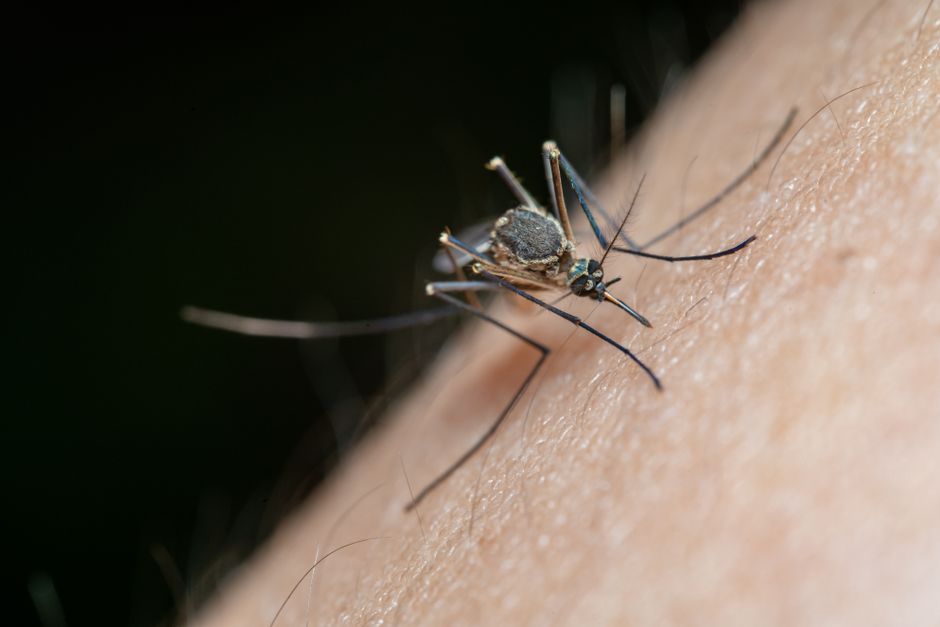
Mosquito bites, bee stings, and other insect bites can drive you crazy with itching. The fastest way to get a bug bite to stop itching right now is to apply a cold compress (ice wrapped in a cloth) for 10 to 15 minutes, take an oral antihistamine like diphenhydramine (Benadryl) or cetirizine (Zyrtec) as directed on the label, and apply a low-dose topical hydrocortisone cream (1%) or calamine lotion to the bite. Avoid scratching — it only makes the itching worse and can lead to infection.
Why Do Bug Bites Itch?
When a bug bites you, it injects saliva into your skin. Your immune system sees this saliva as a foreign substance and reacts by releasing histamine. Histamine makes the small blood vessels in the area widen and leak fluid. This causes redness, swelling, and the nerve signals your brain reads as itching.
Different bugs trigger different levels of reaction. Mosquito bites are the most common cause of itching in the United States. Flea bites, chigger bites, and spider bites can also cause intense itching. Bee and wasp stings cause pain first, then itching as the venom breaks down. The itch usually peaks within 24 to 48 hours and fades over several days.
What Is the Fastest Way to Stop a Bug Bite from Itching?
The fastest method combines a cold compress with an oral antihistamine. The cold compress numbs the skin and reduces blood flow to the area, which lowers histamine activity. It works within minutes. Keep the compress on for no more than 15 minutes at a time to avoid skin damage.
Oral antihistamines work systemically — they circulate through your bloodstream and block histamine receptors throughout your body. Diphenhydramine (Benadryl) starts working within 15 to 30 minutes but can make you drowsy. Nondrowsy options like cetirizine (Zyrtec) or loratadine (Claritin) take about an hour to work but last longer. Follow the dosing instructions on the package. Do not exceed the recommended dose.
Topical treatments add another layer of relief. Hydrocortisone cream 1% reduces inflammation directly in the skin. Calamine lotion dries the bite and creates a cooling sensation. Both are safe for most adults and children over age two. Apply a thin layer and reapply as needed, but do not use hydrocortisone for more than seven days on the same spot without a doctor’s advice.
For a single bite, you can also try a specialized anti-itch cream containing pramoxine or lidocaine. These are local anesthetics that numb the skin temporarily. They do not treat the underlying histamine reaction, but they stop the itch signal while they are active.
Do Home Remedies Like Baking Soda or Toothpaste Work?
Home remedies for bug bites are widely shared online, but most have little scientific evidence behind them. Baking soda paste (mixing baking soda with water and applying to the bite) may provide a mild cooling effect and can help dry the bite. However, no large human trials have confirmed it works better than doing nothing.
Toothpaste is another popular remedy. The menthol in some toothpastes creates a cooling sensation that can briefly distract from the itch. But toothpaste is not designed for skin use and can irritate sensitive skin. Some people develop contact dermatitis from it, which makes the itching worse.
Other common home remedies — apple cider vinegar, honey, onion, garlic, or lemon juice — lack reliable evidence of effectiveness. Some can cause skin irritation or allergic reactions. If you choose to try any home remedy, test it on a small patch of skin first and stop immediately if irritation develops. The safest and most proven options remain cold compresses, antihistamines, and hydrocortisone.




Can You Use Heat to Stop the Itch?
Some people try applying heat to a bug bite to stop the itch. The idea is that heat can temporarily overload the nerve fibers that transmit the itch signal. Devices exist that deliver controlled heat to a bite — some research suggests they may reduce itching for several hours.
However, using heat at home carries real risks. If you apply too much heat, you can burn your skin, especially on delicate areas like the face or ankles. There is no standard guideline for how hot is safe or how long to apply heat. The evidence for heat as a treatment is not strong enough to recommend it over cold compresses, which are safer and better studied. Stick with cold unless a doctor advises otherwise.
When Should You See a Doctor for a Bug Bite?
Most bug bites heal on their own within a week. But some situations require medical attention. Seek care if you notice any of these signs:
- Intense swelling spreading beyond the bite, especially if it reaches a joint or involves the face, lips, or throat.
- Signs of infection: increasing redness, warmth, pus, red streaks, fever, or swollen lymph nodes.
- Allergic reaction symptoms: hives elsewhere on the body, difficulty breathing, dizziness, or rapid heartbeat. These can be signs of anaphylaxis, which is a medical emergency. Call 911 immediately.
- A bite that does not heal after two weeks or that changes in appearance (could be a sign of Lyme disease from a tick bite, or less commonly, a skin infection).
- If you have a known allergy to insect stings and experience more than a local reaction, carry an epinephrine auto-injector (EpiPen) and use it as prescribed.
For tick bites specifically, if you develop a circular red rash that looks like a bull’s-eye, or if you get flu-like symptoms within a month of the bite, see a doctor. Lyme disease is treatable but needs antibiotics.
How to Prevent Bug Bites in the First Place
Stopping the itch before it starts is easier than treating it. The most effective insect repellents contain one of these active ingredients: DEET, picaridin, IR3535, or oil of lemon eucalyptus (OLE). The U.S. Environmental Protection Agency (EPA) has approved these as safe and effective when used as directed.
DEET at concentrations of 20% to 30% provides several hours of protection against mosquitoes, ticks, and other biting insects. Picaridin at 20% is also highly effective and less greasy than DEET. Oil of lemon eucalyptus (not pure essential oil) is a plant-based option that works about as well as low-concentration DEET, but it should not be used on children under three years old.
Other prevention strategies: wear long sleeves and pants when outdoors, especially at dawn and dusk when mosquitoes are most active. Use permethrin-treated clothing for extended outdoor activities like hiking or camping. Avoid scented soaps, lotions, and perfumes, which can attract insects. Remove standing water around your home, where mosquitoes breed.
Do Antihistamine Creams Work Better Than Oral Antihistamines?
Topical antihistamine creams, such as those containing diphenhydramine (Benadryl cream), are available without a prescription. They can reduce itching when applied directly to the bite. But they are generally less effective than oral antihistamines for reducing the overall histamine response, especially for multiple bites.
Oral antihistamines work throughout your body, blocking histamine at every site. That makes them more useful when you have several bites or a widespread reaction. Topical antihistamines only treat the area they touch, and they have to be reapplied every few hours. Some dermatologists advise against using topical diphenhydramine for long periods because it can cause skin sensitivity or allergic contact dermatitis with repeated use.
For a single, small bite, a topical antihistamine or hydrocortisone cream may be enough. For multiple bites or severe itching, an oral antihistamine is usually a better choice. You can combine both, but be careful not to double up on the same active ingredient — for example, using oral diphenhydramine and topical diphenhydramine together can increase the risk of side effects like drowsiness and dry mouth.
What About Essential Oils for Bug Bites?
Essential oils like tea tree oil, lavender oil, and peppermint oil are often promoted for bug bite relief. Tea tree oil has some antibacterial and anti-inflammatory properties in laboratory studies. Lavender oil can produce a calming scent. Peppermint oil creates a cooling sensation similar to menthol.
However, no large human clinical trials have confirmed that any essential oil stops itching better than standard treatments. Essential oils can also cause skin irritation, allergic reactions, or phototoxicity (skin damage from sun exposure). Some oils, like tea tree oil, can be toxic if swallowed, which is a concern around children.
The American Academy of Dermatology and the Centers for Disease Control and Prevention do not recommend essential oils as first-line treatments for bug bites. If you want to try one, dilute it with a carrier oil (like coconut or jojoba oil) at a 1% to 2% concentration — about 6 to 12 drops per ounce of carrier oil. Apply a small test patch first. Stop using it if you develop redness or burning. Do not use essential oils on infants or young children without a doctor’s guidance.
Frequently Asked Questions
Can I put rubbing alcohol on a bug bite to stop it from itching?
Rubbing alcohol can dry the bite and may provide a brief cooling sensation, but it can also irritate the skin and slow healing. It is not recommended as a treatment for itching.
How long will a bug bite itch if I don’t treat it?
Untreated bug bites typically itch for 2 to 5 days, though some reactions may last up to 2 weeks. The intensity usually peaks within the first 24 to 48 hours.
Is it safe to scratch a bug bite if I can’t help it?
No. Scratching damages the skin barrier, increases inflammation, and raises the risk of infection. If you cannot stop scratching, cover the bite with a bandage or cold compress to create a physical barrier.
Can a bug bite become infected from scratching?
Yes. Scratching breaks the skin and allows bacteria from your fingernails to enter. Signs of infection include spreading redness, warmth, pus, and fever. If you notice these, see a doctor.
