
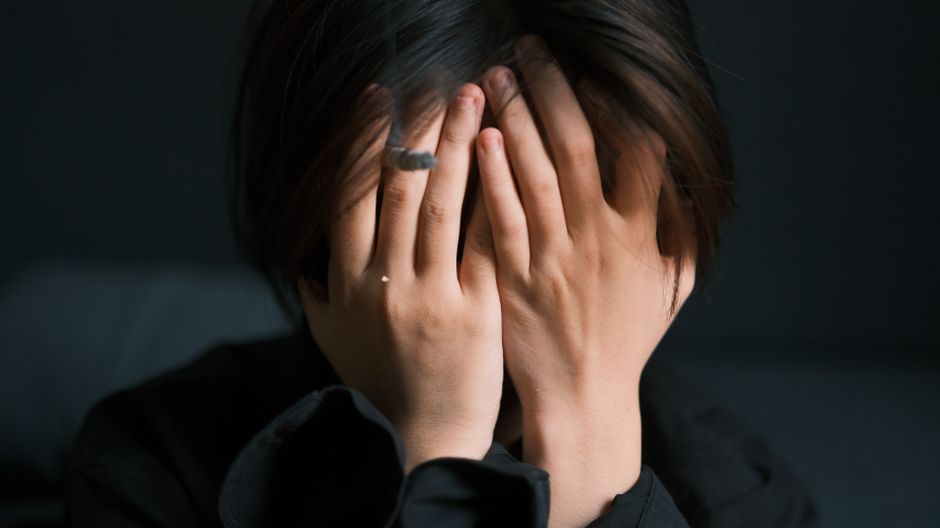
Anxiety breathing often feels like you cannot get a satisfying, deep breath. Your chest may feel tight, your throat may feel like it is closing, and every breath you take seems to stop short of filling your lungs. This sensation is a physical response to stress, and you can stop it by using controlled breathing techniques and addressing the underlying anxiety that triggers it.
What Does Anxiety Breathing Feel Like?
Anxiety changes the way you breathe. Instead of slow, deep breaths from your diaphragm, you start taking quick, shallow breaths from your chest. This is called hyperventilation, and it happens without you even noticing.
When you hyperventilate, you breathe out too much carbon dioxide. This changes the chemistry of your blood. It can make your fingers tingle, your lips go numb, and your chest feel heavy or painful. The scary part is that these symptoms feel like a heart attack or a serious medical problem, which makes the anxiety worse.
People describe the feeling in many ways. Some say it feels like breathing through a straw. Others say it feels like there is a weight on their chest. Many report a constant urge to yawn or sigh because a normal breath never feels complete. This feeling can last for minutes or can linger for hours in a low-level uncomfortable way.
Why Does Anxiety Cause Shortness of Breath?
Your body has a built-in alarm system. When you perceive a threat, your brain signals your adrenal glands to release stress hormones like adrenaline and cortisol. These hormones prepare your body to fight or run away.
Your breathing rate increases to bring in more oxygen for your muscles. Your heart beats faster to pump that oxygen where it needs to go. This is helpful if you are actually running from danger. But when the threat is a work deadline, a difficult conversation, or a racing thought, your body gets ready for a physical fight that never happens.
The result is that you keep taking fast, shallow breaths without burning off the extra oxygen. Your blood oxygen levels stay normal, but your carbon dioxide levels drop. This drop triggers the physical sensations of breathlessness, dizziness, and tingling. It is a vicious cycle. The more you focus on your breathing, the more anxious you become, and the harder it is to breathe normally.
How to Stop Anxiety Breathing Fast
You can break the cycle in the moment. The goal is to slow your breathing and restore the balance of oxygen and carbon dioxide in your blood. The most effective techniques focus on exhaling longer than you inhale.
Try the 4-7-8 technique. Breathe in quietly through your nose for a count of four. Hold your breath for a count of seven. Exhale completely through your mouth for a count of eight. Repeat this cycle four times. The long exhale helps your body relax and slows your heart rate.
Another option is box breathing. Breathe in for a count of four. Hold for four. Exhale for four. Hold for four. Repeat. This technique is used by athletes and military personnel to stay calm under pressure. It gives your mind a simple pattern to focus on instead of the feeling of breathlessness.
You can also try belly breathing. Place one hand on your chest and one on your stomach. Breathe in slowly through your nose. Your stomach should push your hand out while your chest stays mostly still. Breathe out slowly through pursed lips. Practice this for two to three minutes. It physically forces your diaphragm to engage and signals your nervous system to calm down.
These techniques work best when you practice them before you are anxious. If you only try them during a panic attack, they can feel difficult because your breathing muscles are already tense. Practice for five minutes each day when you are calm so the pattern feels familiar.





When Anxiety Breathing Becomes a Habit
Some people develop a habit of shallow breathing that lasts all day. They are not having a panic attack, but they never feel like they get a full breath. This is called chronic hyperventilation syndrome. It can cause fatigue, muscle aches, and difficulty concentrating.
If this sounds like you, the problem may be that you are constantly taking small sighs or deep breaths to “catch up.” These extra breaths actually make the problem worse. Each deep sigh blows off more carbon dioxide, which reinforces the feeling of not getting enough air.
Instead of taking a big breath, focus on slowing down your exhale. Breathe out slowly through your nose for five or six seconds. Let the inhale happen naturally without forcing it. This restores your carbon dioxide balance and reduces the urge to sigh.
Physical tension also plays a role. Anxiety makes you hold your shoulders up, clench your jaw, and tighten your chest muscles. This posture makes it physically harder to take a deep breath. Roll your shoulders back and down. Unclench your jaw. Relax your neck. This simple posture shift can make breathing feel easier immediately.
Lifestyle Changes That Reduce Anxiety Breathing
Regular exercise is one of the most effective ways to reduce anxiety symptoms. Aerobic exercise like walking, jogging, or cycling strengthens your respiratory system and trains your body to handle increased breathing rates. It also burns off stress hormones. Even a 20-minute walk can make a difference.
Sleep quality matters too. Poor sleep makes you more sensitive to stress and more likely to hyperventilate. Aim for consistent sleep and wake times. Avoid caffeine in the afternoon and evening. Caffeine is a stimulant that can trigger the same physical symptoms as anxiety, including rapid breathing and a racing heart.
Alcohol and nicotine can also interfere with healthy breathing patterns. Nicotine is a stimulant that increases heart rate and breathing rate. Alcohol can disrupt sleep and increase anxiety the next day. Reducing or eliminating these substances can noticeably improve your breathing.
Mindfulness and meditation practices teach you to notice anxious thoughts without reacting to them. Over time, this reduces the intensity of your body’s stress response. You learn that a feeling of breathlessness does not mean you are in danger. It is just a sensation, and it will pass.
When to See a Doctor for Breathing Problems
Anxiety is a common cause of breathlessness, but it is not the only one. Heart conditions, asthma, chronic obstructive pulmonary disease, anemia, and thyroid problems can all cause shortness of breath. You should see a doctor to rule out these conditions, especially if you have never had breathing problems before.
Seek immediate medical care if your shortness of breath is severe, comes on suddenly, or is accompanied by chest pain, fainting, or blue lips or fingertips. These can be signs of a heart attack or a blood clot in the lungs. Do not assume it is anxiety until a doctor has confirmed that.
If your breathing problems are clearly linked to anxiety, talk to a mental health professional. Cognitive behavioral therapy has been shown to help people manage anxiety disorders. A therapist can help you identify your triggers and develop coping strategies that go beyond breathing exercises.
In some cases, medication may be appropriate. Antidepressants and anti-anxiety medications can reduce the frequency and intensity of anxiety attacks. These are prescription medications that require a doctor’s supervision. They are not a quick fix, but they can help you regain control while you learn new coping skills.
Frequently Asked Questions
Can anxiety cause shortness of breath all day?
Yes, chronic anxiety can cause a constant feeling of shallow breathing or breathlessness. This often comes from a habit of chest breathing and low carbon dioxide levels that persists throughout the day.
How long does anxiety shortness of breath last?
An acute episode can last anywhere from a few minutes to half an hour. The underlying feeling of not getting a full breath can persist for hours or days if the anxiety continues.
What is the best breathing exercise for anxiety?
The 4-7-8 technique is widely recommended because the long exhale directly activates your body’s relaxation response. Exhaling for a count of eight is the most important part of this exercise.
Can anxiety breathing cause chest pain?
Yes, hyperventilation can cause chest tightness and pain from muscle tension and changes in blood chemistry. This pain is often sharp and located in the center of the chest, but any new chest pain should be evaluated by a doctor.
