
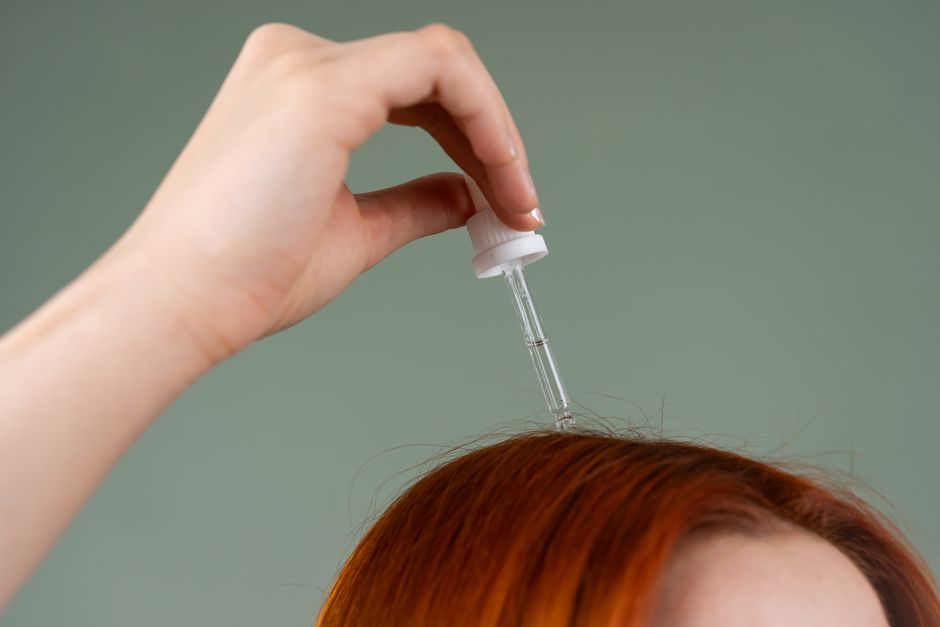
An itchy scalp is one of those problems that can take over your day. You scratch, it feels better for a second, and then the itch comes right back. The fix depends entirely on the cause. Dandruff, dry skin, product buildup, and even fungal infections all itch, but they need different treatments. This guide breaks down the most common causes and the real fixes that actually work.
What Causes An Itchy Scalp?
An itchy scalp happens when something irritates the skin on your head. The irritation triggers nerve endings, which your brain reads as an itch. The most common trigger is seborrheic dermatitis, which most people call dandruff. It causes flaking, redness, and itching, usually because of an overgrowth of a yeast that naturally lives on your skin.
Dry skin is another frequent cause. If you live in a dry climate, wash your hair with hot water, or use harsh shampoos, your scalp can lose moisture. The skin tightens, flakes, and itches. This is different from dandruff, and it needs a different approach.
Other causes include allergic reactions to hair products, psoriasis, and contact dermatitis from ingredients in shampoos or dyes. In some cases, an itchy scalp is linked to stress or even a vitamin deficiency, though those are less common.
Dandruff vs. Dry Scalp: How To Tell The Difference
Dandruff flakes are usually larger, greasy, and yellowish. They stick to your hair and scalp. Dry scalp flakes are smaller, white, and powdery. They tend to fall off easily, especially when you brush your hair.
Dandruff is caused by an overgrowth of Malassezia, a yeast that feeds on the oils in your scalp. Your skin reacts to the yeast by speeding up cell turnover, which creates those visible flakes. Dry scalp is simply a lack of moisture in the skin. The treatment for each is different, so getting this right matters.
If you have dandruff, you need an antifungal or anti-inflammatory shampoo. If you have a dry scalp, you need moisturizing products and gentler washing habits. Using a dandruff shampoo on a dry scalp can make things worse.
How To Stop An Itchy Scalp: Causes And Real Fixes
The fastest way to stop an itchy scalp is to address the root cause with the right shampoo and washing routine. For dandruff, look for shampoos with active ingredients like zinc pyrithione, ketoconazole, selenium sulfide, or coal tar. These ingredients reduce the yeast population and calm the inflammation.
Use the shampoo as directed on the label, usually two to three times per week. Leave it on your scalp for the recommended time before rinsing. This gives the active ingredient time to work. Switching between two different active ingredients can help if one stops working.
For a dry scalp, switch to a gentle, sulfate-free shampoo. Wash with lukewarm water instead of hot. Follow up with a lightweight conditioner or a scalp oil like jojoba or squalane. These mimic your skin’s natural oils and help restore the moisture barrier.





What Actually Works For Itchy Scalp Relief
Some home remedies have real evidence behind them. Tea tree oil has natural antifungal and anti-inflammatory properties. Some research suggests a tea tree oil shampoo can reduce dandruff symptoms, but it can also irritate sensitive skin. Dilute it properly and do a patch test first.
Aloe vera gel can soothe an irritated scalp. It has anti-inflammatory properties and provides moisture without being greasy. Apply it directly to the scalp, leave it on for 15 to 20 minutes, then rinse.
Aspirin is sometimes mentioned as a scalp treatment because it contains salicylic acid, which helps exfoliate. Crush a couple of tablets, mix with your regular shampoo, and wash. This can help with flaking but does nothing for the yeast overgrowth that causes dandruff.
Apple cider vinegar is a popular remedy, but the evidence is thin. It has mild antimicrobial properties, but it is acidic and can burn or irritate broken skin. If you try it, always dilute it heavily and rinse thoroughly.
Shampooing Habits That Make A Difference
How often you wash your hair matters more than most people think. Washing too often strips natural oils, which can trigger more oil production and worsen dandruff. Washing too rarely lets oil and dead skin build up, which also feeds the yeast.
Most people do well washing every two to three days. If you exercise heavily or sweat a lot, you may need to wash more often. Use your fingertips to massage the shampoo into your scalp. Do not use your fingernails, which can scratch and irritate the skin.
Rinse thoroughly. Shampoo residue left on the scalp can cause irritation and itching. This is especially true if you use heavy conditioners or styling products. Make sure every last bit is washed out.
When Itching Is Not Dandruff: Other Causes
Sometimes the problem is not dandruff at all. Allergic contact dermatitis happens when your scalp reacts to an ingredient in a hair product. Common culprits include fragrances, preservatives, and certain dyes. If the itching started after you switched products, that is a strong clue.
Psoriasis can also affect the scalp. It causes thick, silvery scales and a red, inflamed scalp. It is an autoimmune condition, not a hygiene problem. Over-the-counter dandruff shampoos may not help. A dermatologist can prescribe stronger treatments.
Head lice are a less common cause in adults but still possible, especially if you have children. The itching comes from an allergic reaction to louse saliva. Check for tiny eggs attached to the hair shaft near the scalp.
In rare cases, an itchy scalp can be a sign of a systemic issue like thyroid disease or iron deficiency. If your scalp itches and you also have fatigue, hair loss, or other unexplained symptoms, see a doctor.
When To See A Dermatologist
See a dermatologist if the itching is severe, lasts more than a few weeks despite treatment, or if you notice pain, bleeding, or oozing. These can be signs of an infection or a condition that needs prescription treatment.
Also seek medical advice if you see patches of hair loss or if the itching spreads beyond your scalp. A doctor can look at your scalp under a microscope and identify the exact cause. This is especially important if over-the-counter products have not helped.
Prescription options include stronger antifungal shampoos, topical steroids to reduce inflammation, and calcineurin inhibitors for stubborn cases. These are not available over the counter and require a proper diagnosis.
Preventing Itchy Scalp From Coming Back
Once you get the itching under control, prevention is about consistency. Keep using a medicated shampoo once a week even after symptoms improve. This keeps the yeast population in check before it can trigger another flare.
Choose hair products labeled fragrance-free and hypoallergenic if you have sensitive skin. Avoid alcohol-based styling products, which can dry out the scalp. Wear a hat in the sun to protect your scalp from UV damage, which can worsen inflammation.
Manage stress. Stress does not cause dandruff, but it can make it worse by increasing oil production and inflammation. Regular exercise, adequate sleep, and stress reduction techniques can all help keep flare-ups at bay.
Your diet plays a minor but real role. Some research suggests that zinc, B vitamins, and omega-3 fatty acids support skin health. There is no strong evidence that any specific food causes or cures an itchy scalp, but a balanced diet supports your skin’s ability to repair itself.
Frequently Asked Questions
Can an itchy scalp cause hair loss?
Yes, but usually only if you scratch aggressively enough to damage the hair follicles or break the hair shafts. The underlying condition causing the itch, like severe dandruff or psoriasis, can also contribute to temporary hair shedding.
How often should I wash my hair if my scalp itches?
Most people should wash every two to three days with a gentle shampoo. If you have dandruff, use a medicated shampoo as directed, usually two to three times per week.
Is it safe to scratch an itchy scalp?
No, scratching can break the skin and lead to infection. It also makes the itch worse over time. Use a treatment shampoo or a cold compress instead.
Does tea tree oil really help an itchy scalp?
Some research suggests tea tree oil has antifungal and anti-inflammatory properties that can help with dandruff. It can irritate sensitive skin, so dilute it and test it on a small area first.
