
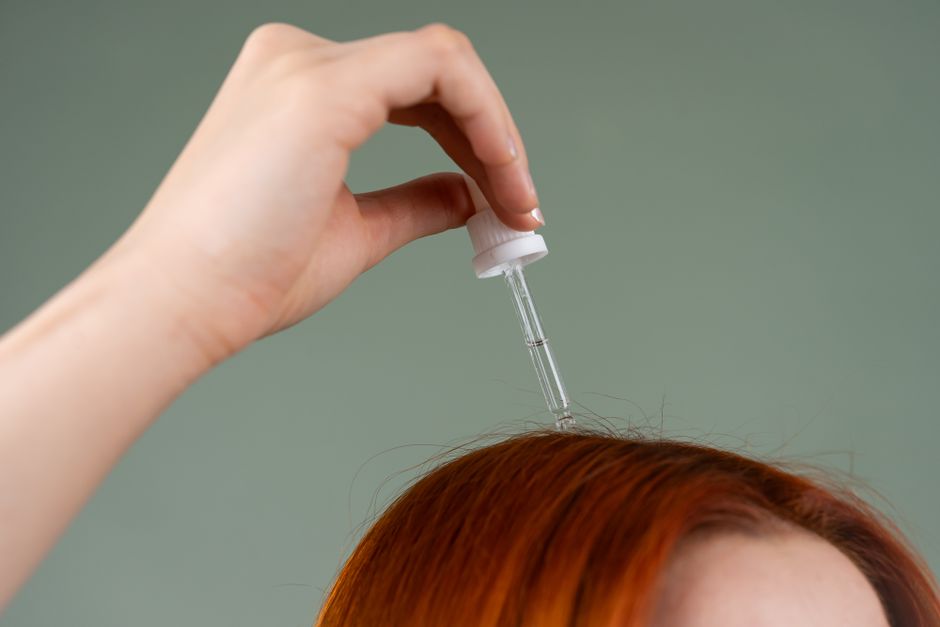
Dry scalp is a common and uncomfortable condition, but it does not directly cause balding. Hair loss happens at the follicle level, beneath the surface of the skin, while dry scalp is a condition of the skin itself. However, the two issues can be linked in ways that matter for your hair health.
What Is the Difference Between Dry Scalp and Hair Loss?
Dry scalp means the skin on your head lacks moisture. It can feel tight, itch, and flake. The flakes from dry scalp are usually small and white. This condition affects the skin, not the hair roots.
Balding, on the other hand, is a progressive loss of hair from the scalp. It happens when hair follicles shrink, stop producing hair, or when the hair growth cycle is disrupted. The most common cause is genetics, known as androgenetic alopecia. Other causes include hormonal changes, medical conditions, and certain medications.
Dry scalp and hair loss are separate conditions. One does not directly cause the other. But the way you treat a dry, itchy scalp can sometimes lead to hair breakage, which is different from balding at the root.
Can Dry Scalp Cause Balding?
No, dry scalp cannot cause permanent balding. Balding is a process that occurs at the hair follicle, deep within the skin. Dry scalp is a surface condition involving the outer layer of skin. There is no mechanism by which a lack of moisture on the skin surface would shrink or damage the hair follicle itself.
That said, there is an indirect connection. Severe itching from a dry scalp can lead to scratching. Aggressive scratching can damage hair shafts, causing them to break off near the scalp. This is not balding, but it can look like thinning in the affected area. The hair usually grows back once the scratching stops and the scalp heals.
Another indirect link involves inflammation. Some scalp conditions cause both flaking and inflammation deep enough to affect hair growth. But this is not simple dry scalp. It is a different condition that requires its own diagnosis.
What Scalp Conditions Cause Both Flaking and Hair Loss?
Several conditions produce flakes and can also cause hair shedding. These are often confused with dry scalp, but they are distinct medical issues.
Seborrheic dermatitis is one of the most common. It causes greasy, yellowish flakes and redness. It is driven by an overgrowth of yeast that naturally lives on the skin. In some people, the inflammation from seborrheic dermatitis can temporarily increase hair shedding. This hair loss is usually not permanent and improves when the condition is treated.
Psoriasis of the scalp causes thick, silvery scales and can be quite itchy. It is an autoimmune condition. Severe scalp psoriasis can, in rare cases, lead to temporary hair loss from inflammation or from aggressive scratching.
Tinea capitis, also called ringworm of the scalp, is a fungal infection. It causes scaly patches and can lead to broken hairs and bald patches. This condition requires prescription antifungal treatment. It is contagious and needs medical attention.
If you have flaking along with noticeable hair loss, it is worth seeing a doctor. Simple dry scalp will not cause hair loss. But these other conditions can, and they need specific treatments.



How to Tell Dry Scalp Apart From Other Conditions
The appearance of the flakes is a useful clue. Dry scalp flakes are small, white, and fall off easily. They are similar to dandruff but are caused by a lack of moisture rather than yeast overgrowth.
Seborrheic dermatitis flakes are larger, greasy, and often yellow. The skin underneath may look red. Psoriasis scales are thick, silvery, and may bleed if picked off. Fungal infections often create round, distinct patches with broken hairs.
Location matters too. Dry scalp is usually spread across the whole scalp. Seborrheic dermatitis often concentrates along the hairline, behind the ears, and in the eyebrows. Psoriasis can appear anywhere but often forms distinct plaques.
If you are unsure what you have, a dermatologist can examine your scalp and confirm the diagnosis. This matters because treatments differ. Moisturizing shampoo helps dry scalp but will not treat seborrheic dermatitis or psoriasis.
Can Itchy Scalp Lead to Hair Thinning?
An itchy scalp can lead to temporary hair thinning through a few pathways. The most direct is mechanical damage from scratching. Repeated scratching can weaken hair shafts. Hair may snap off, leaving shorter hairs that make the scalp look thinner.
Chronic scratching can also damage the hair follicle itself in rare cases. This is called traction alopecia when caused by pulling, but scratching can produce a similar effect. If the follicle is damaged, hair growth may slow temporarily. In most cases, the follicle recovers once the scratching stops.
Inflammation is another factor. When the scalp is inflamed from conditions like seborrheic dermatitis, the inflammatory response can disrupt the normal hair growth cycle. This can push more hairs into the shedding phase. This type of hair loss is usually temporary and reverses when the inflammation is controlled.
The key point is that the itch itself is not causing permanent balding. The underlying condition causing the itch may affect hair growth, and the physical act of scratching can damage hair. Treating the itch and the underlying condition is the best way to protect your hair.
What Actually Causes Balding?
Permanent balding in most people is genetic. This is called androgenetic alopecia, or pattern hair loss. It affects both men and women, though the pattern differs. In men, it typically starts at the temples and crown. In women, it usually causes overall thinning, especially at the top of the scalp.
This type of hair loss is driven by hormones. A byproduct of testosterone called dihydrotestosterone, or DHT, binds to receptors in hair follicles. Over time, this shrinks the follicles in genetically susceptible people. The hair becomes finer and shorter until it stops growing entirely.
Other causes of hair loss include:
- Telogen effluvium, a temporary shedding that occurs after stress, illness, or major weight loss
- Thyroid disorders
- Iron deficiency anemia
- Autoimmune conditions like alopecia areata
- Certain medications, including some used for cancer, arthritis, and depression
- Hormonal changes from pregnancy or menopause
None of these are related to dry scalp. If you are losing hair, it is important to identify the actual cause rather than assuming it is related to scalp dryness.
How to Treat Dry Scalp Without Damaging Hair
Treating dry scalp is straightforward. The goal is to restore moisture to the skin and reduce itching. This can be done with gentle hair care practices.
Use a mild, moisturizing shampoo. Look for products labeled for dry scalp or sensitive skin. Avoid shampoos with harsh sulfates, which can strip natural oils. Wash with lukewarm water rather than hot water, which removes more moisture.
Conditioner is important. Apply it to the ends of your hair and massage a small amount into the scalp. Leave it on for a minute or two before rinsing. This helps lock in moisture.
If your scalp is very dry, consider a leave-in scalp treatment. Products containing aloe vera, glycerin, or hyaluronic acid can help hydrate the skin. Coconut oil and jojoba oil are also used by some people, though evidence for their effectiveness is mostly anecdotal.
When you scratch, do it gently with your fingertips, not your nails. Better yet, avoid scratching altogether. If the itch is severe, a cool compress can help. Over-the-counter hydrocortisone cream can reduce itching, but it should not be used on the scalp for more than a few days without medical advice.
When to See a Doctor About Scalp and Hair Issues
Most cases of dry scalp can be managed at home. But some situations warrant medical attention.
See a doctor if you notice:
- Hair loss that is sudden, patchy, or rapid
- Flakes that are greasy, yellow, or thick and silvery
- Redness, swelling, or oozing on the scalp
- Pain or tenderness on the scalp
- Itching that does not improve with moisturizing products
- Bald patches or broken hairs in specific spots
A dermatologist can determine what is causing your symptoms. They can also prescribe stronger treatments if needed. For seborrheic dermatitis, medicated shampoos containing ketoconazole or selenium sulfide are common. For psoriasis, prescription topical treatments are available. For fungal infections, oral antifungal medication is required.
If your hair loss is genetic, a doctor can discuss options like minoxidil or finasteride. These are proven treatments for pattern hair loss, but they require a prescription or professional guidance and are not appropriate for everyone.
What the Evidence Shows
The medical literature does not support a direct link between dry scalp and balding. Dry scalp is a dermatological condition of the skin. Balding is a disorder of the hair follicle. They are separate processes.
Some research has examined whether scalp conditions like seborrheic dermatitis contribute to hair loss. The findings suggest that inflammation can temporarily increase shedding, but this is not permanent balding. Once the condition is treated, hair growth typically returns to normal.
There is no clinical evidence that moisturizing the scalp prevents balding. If you are losing hair, treating a dry scalp will not stop that loss. The two issues need separate approaches.
This distinction matters. Many people spend time and money on scalp moisturizers while their actual hair loss goes untreated. If you are concerned about balding, see a doctor. A proper diagnosis is the first step to effective treatment.
Frequently Asked Questions
Can dry scalp cause permanent hair loss?
No, dry scalp does not cause permanent hair loss. Balding happens at the hair follicle, while dry scalp is a surface skin condition with no mechanism to damage follicles.
Why is my scalp dry and my hair falling out?
You may have two separate conditions, or the hair loss could be from a different cause like seborrheic dermatitis, stress, or genetics. A doctor can help identify the actual reason.
Does scratching a dry scalp cause hair loss?
Aggressive scratching can break hair shafts, which looks like thinning, but it is not balding. The hair usually grows back once scratching stops.
What is the difference between dry scalp and dandruff?
Dry scalp is caused by lack of moisture and produces small white flakes. Dandruff is caused by yeast overgrowth and produces larger, oilier flakes.
