
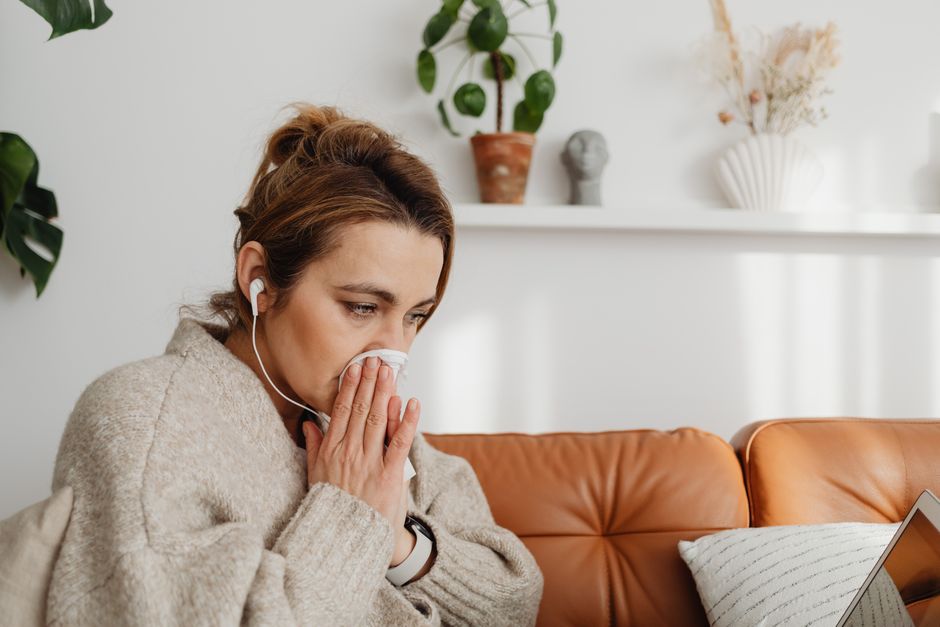
A sneeze can hit at the worst possible moment. You are in a quiet meeting, holding a hot drink, or driving on a busy road. The urge builds fast and feels impossible to control. While sneezing is a natural reflex that clears your nasal passages, there are times when you need to stop it quickly. Simple physical techniques can often suppress the reflex if you act before the sneeze fully develops. Here is what works, what does not, and when you should just let the sneeze happen.
Why Do We Sneeze?
A sneeze is a protective reflex. Your nose detects an irritant — dust, pollen, pepper, or a virus — and sends a signal to your brain. The brain responds by triggering a rapid, forceful burst of air through your nose and mouth. This blast clears the irritant from your nasal passages.
The entire process happens in seconds. The signal travels along the trigeminal nerve, which is the main sensory nerve in your face. This nerve connects to the brainstem, where the sneeze reflex is coordinated. Understanding this pathway matters because most techniques to stop a sneeze interrupt the signal before the full reflex fires.
What Happens Right Before You Sneeze?
The moment before a sneeze is called the pre-sneeze phase. You feel a tickle or itch deep in your nose. Your eyes may water. You might take a quick, involuntary breath. This is the warning window.
Once the sneeze reflex fully engages, stopping it becomes much harder. The muscles in your chest, abdomen, and throat contract in a coordinated sequence. The pressure builds, and the air is expelled. If you want to stop a sneeze, you need to act during that brief warning window — not after the reflex has started.
How To Stop A Sneeze: Techniques That Work
Several physical techniques can interrupt the sneeze reflex. These methods are simple, free, and do not require any equipment. They work by sending competing signals to the nervous system or by physically changing the position of your airways.
Press your upper lip. Place a finger firmly just below your nose, pressing upward on the center of your upper lip. This stimulates the same nerve branches that supply the nasal area. The competing sensation can reduce the intensity of the sneeze urge.
Pinch your nose. Gently pinch your nostrils closed for a few seconds. This changes the airflow and pressure in your nasal passages. Some people find this stops the sneeze before it fully develops. Do not pinch too hard or for too long.
Breathe out forcefully. Exhale sharply and steadily through your mouth. This redirects the pressure that would otherwise build up for the sneeze. Take a slow breath in, then exhale forcefully but not violently.
Press your tongue against the roof of your mouth. Press the tip of your tongue firmly against the hard palate, just behind your front teeth. Hold the pressure for a few seconds. This stimulates the same nerve pathways and can interrupt the sneeze signal.
Tilt your head back. Some people find that tilting the head upward while pressing the upper lip helps. This changes the angle of the nasal passages and may disrupt the reflex.
Look at a bright light. This works for some people, but not everyone. The photic sneeze reflex — sneezing in response to bright light — affects an estimated one in four people. For those who have it, looking at a bright light can sometimes trigger rather than stop a sneeze. This technique is not reliable and should be used with caution.
Distract yourself. Pinch yourself gently or squeeze your hand into a fist. A mild competing sensation elsewhere in the body can sometimes reduce the sneeze urge. This works best for mild sneeze urges, not intense ones.



What Does Not Work
Some popular advice for stopping sneezes is ineffective or even dangerous. Avoid these methods.
Holding your nose and mouth shut. This is the most dangerous technique. Blocking both your nose and mouth during a sneeze traps the pressure inside your respiratory system. The pressure has to go somewhere. In rare cases, this can cause damage to the eardrums, blood vessels in the eyes, or even the throat. Case reports have documented injuries from suppressed sneezes, including a tear in the throat tissue. Do not do this.
Swallowing mid-sneeze. This is extremely difficult and can cause choking or coughing. It does not reliably stop the sneeze.
Holding your breath. While this may seem logical, it does not reliably stop the reflex. The sneeze signal is driven by the nervous system, not by your breathing pattern.
Should You Ever Let Yourself Sneeze?
Yes. In most situations, you should let the sneeze happen. Sneezing is a normal, healthy reflex that clears irritants from your nose. Suppressing every sneeze is not necessary and can leave irritants in place.
There are also times when sneezing is genuinely important. If you feel a sneeze coming on due to dust, smoke, or an allergen, the sneeze is doing its job. Letting it happen is the safest option.
The only reason to suppress a sneeze is social or situational — you are in a meeting, a quiet theater, or holding something delicate. In these cases, use one of the safe techniques above. If the urge does not go away, excuse yourself and sneeze away from others.
When Sneezing Is a Sign of Something Else
Sneezing is usually harmless. But frequent sneezing can indicate an underlying issue. Allergies are the most common cause of repeated sneezing. Dust, pollen, pet dander, and mold can all trigger the reflex. Viral infections like the common cold also cause sneezing, especially in the early stages.
Some people sneeze in response to other triggers. The photic sneeze reflex, mentioned earlier, is a genetic trait. Some people sneeze after eating a large meal — this is called snatiation and is not well understood. Others sneeze when they pluck their eyebrows, which stimulates the trigeminal nerve.
If you find yourself sneezing constantly for weeks with no clear cause, talk to a doctor. Persistent sneezing can be a sign of allergic rhinitis, sinusitis, or nasal polyps. These conditions are treatable, but they need a proper diagnosis.
Can Medications Help Stop Sneezing?
If sneezing is frequent and disruptive, over-the-counter antihistamines may help. These medications block histamine, a chemical your body releases during allergic reactions. Histamine causes nasal irritation and sneezing. Antihistamines are most effective when taken before exposure to a known allergen.
Nasal corticosteroid sprays can also reduce nasal inflammation and sneezing over time. These sprays take several days to reach full effect and are typically used daily rather than as needed.
Decongestants may help if sneezing is accompanied by nasal congestion, but they do not directly stop sneezing. They work by narrowing blood vessels in the nasal passages, which reduces swelling.
No medication is designed to stop a single sneeze in the moment. These treatments are for people with frequent, allergy-related sneezing. If your sneezing is occasional and situational, the physical techniques above are the better option.
When to See a Doctor
Sneezing alone rarely requires medical attention. But certain symptoms alongside sneezing should prompt a visit to your doctor.
See a doctor if you have sneezing along with:
- Facial pain or pressure that lasts more than a week
- Thick, discolored nasal discharge
- Fever
- Sneezing that interferes with sleep or daily activities
- Sneezing that started after a head injury
These symptoms may indicate a sinus infection, a more serious allergy, or another condition that needs treatment. A doctor can determine the cause and recommend appropriate management.
Frequently Asked Questions
Is it dangerous to hold in a sneeze?
Yes, holding in a sneeze by blocking your nose and mouth can be dangerous. The trapped pressure can damage your eardrums, throat, or blood vessels in rare cases.
Why does looking at a bright light make me sneeze?
This is a genetic trait called the photic sneeze reflex, affecting about one in four people. The bright light triggers the same nerve pathway involved in sneezing.
Can allergies cause sneezing all year round?
Yes, indoor allergens like dust mites, pet dander, and mold can cause year-round sneezing. If your sneezing persists across seasons, indoor allergens are a likely cause.
Does pressing your upper lip actually stop a sneeze?
Yes, pressing firmly on your upper lip can interrupt the sneeze reflex for many people. It stimulates competing nerve signals that reduce the urge.
