
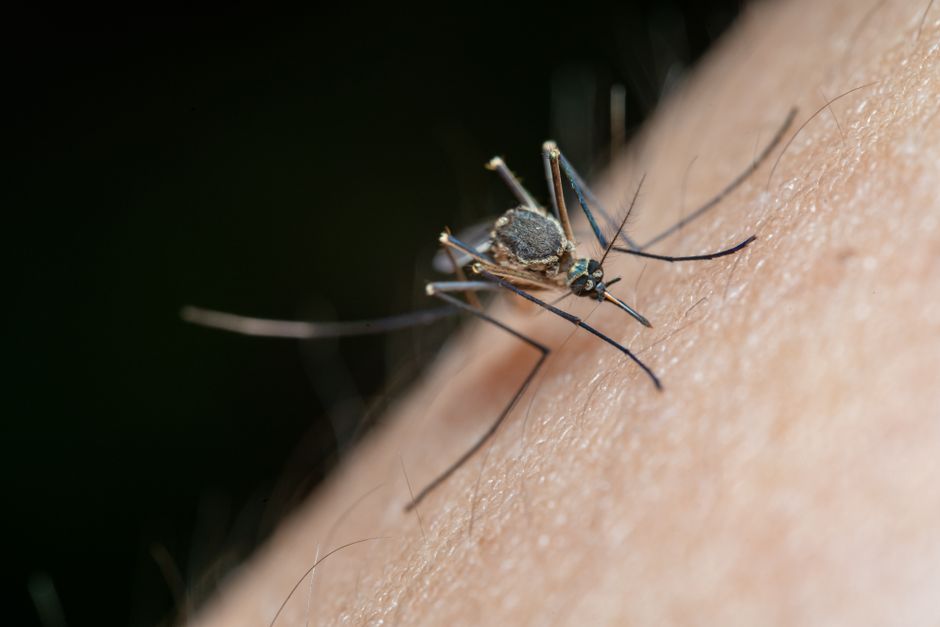
Mosquito bites itch because your immune system reacts to the mosquito’s saliva. When a mosquito bites, it injects saliva that prevents your blood from clotting. Your body sees that saliva as a foreign invader and releases histamine, which causes the itch and swelling. To stop the itch, you need to calm that histamine response or block the nerve signals that tell your brain something itches. The fastest, most reliable approach is an over-the-counter antihistamine cream or an oral antihistamine pill. For immediate relief, apply a cold compress to numb the area and reduce swelling.
Why Do Mosquito Bites Itch So Much?
The itch is not from the bite itself. It is an allergic reaction to proteins in mosquito saliva. When the mosquito feeds, it leaves saliva behind. Your immune system detects these foreign proteins and sends histamine to the area. Histamine makes blood vessels widen, which causes redness and swelling. It also irritates nearby nerves, which creates that persistent itch.
Some people react more strongly than others. Children often have more dramatic reactions because their immune systems are still learning to recognize mosquito saliva. Adults who have been bitten many times may have milder reactions over time. But even if you have been bitten countless times, a new bite can still trigger a strong itch response depending on your body’s current immune state.
How To Stop A Mosquito Bite From Itching Fast
The most effective way to stop a mosquito bite from itching is to act quickly. Treat the bite within minutes of noticing it. The longer you wait, the more histamine your body releases, and the harder the itch becomes to control.
Start with a cold compress. Wrap ice or a frozen gel pack in a thin cloth and hold it against the bite for 10 to 15 minutes. Cold numbs the nerve endings and constricts blood vessels, which reduces both swelling and itch. You can repeat this as needed throughout the day.
Next, apply an over-the-counter hydrocortisone cream. A 1% hydrocortisone cream is a topical steroid that directly reduces inflammation and calms the immune response. It is widely available at drugstores and is considered safe for short-term use on small areas of skin. Apply a thin layer and rub it in gently. You can reapply up to three times a day for a few days.
Oral antihistamines also work well. Medications like cetirizine, loratadine, or diphenhydramine block histamine receptors throughout your body. Cetirizine and loratadine are non-drowsy options that last about 24 hours. Diphenhydramine works faster but causes drowsiness, so it is best used at night. These pills treat the itch from the inside, while creams treat it from the outside. Using both together is often the most effective strategy for a very itchy bite.
Do Home Remedies Actually Work?
You will find endless home remedies online. Some help. Many do not. Here is what the evidence says.
Heat is one remedy that has some support. Applying a heated metal spoon or a heat pack to the bite for a few seconds can confuse the nerve signals that transmit itch. The heat overrides the itch sensation temporarily. Some small studies have found this helpful, but the relief is short-lived. Be careful not to burn yourself. The heat should feel uncomfortable but not painful.
Aloe vera gel can soothe the skin and reduce mild inflammation. It does not block histamine, but it can make the area feel cooler and less irritated. It is a reasonable option if you have nothing else on hand.
Baking soda paste is a popular recommendation. Mix a small amount of baking soda with water to form a paste and apply it to the bite. Some people find it calming, but there is no strong evidence it reduces histamine or stops the itch mechanism. It may only work because it is cool and moist.
Essential oils like tea tree oil or lavender oil are often promoted for bites. The evidence for their effectiveness is limited and inconsistent. They can also cause skin irritation or allergic reactions in some people. If you try them, dilute them properly and test on a small patch of skin first. Do not apply them to broken skin.
Avoid the remedies that involve onion slices, toothpaste, or lemon juice. These can irritate the skin and increase inflammation. They do not address the underlying histamine response.




What Not To Do When You Have A Mosquito Bite
The most important rule is simple: do not scratch. Scratching damages the skin and releases more histamine, which makes the itch worse. It also opens the door for bacteria to enter, which can turn a minor bite into a skin infection.
When you scratch, you create a cycle. The scratch damages skin cells, which triggers more inflammation, which causes more itching. The relief you feel when scratching is brief and deceptive. The itch always comes back stronger.
If you have already scratched and broken the skin, wash the area with soap and water. Apply an antibiotic ointment if you have one. Watch for signs of infection, including increasing redness, warmth, pain, or pus. If you see any of these, see a doctor.
Do not use rubbing alcohol directly on the bite. It may feel like it is cleaning the area, but it dries out the skin and can worsen irritation. Similarly, avoid applying undiluted vinegar, which can cause chemical burns on sensitive skin.
When To See A Doctor About A Mosquito Bite
Most mosquito bites are harmless and resolve within a few days. But some situations require medical attention.
If the bite becomes very swollen, hot to the touch, or develops red streaks, it may be infected. Cellulitis is a bacterial skin infection that can develop from scratching. It needs antibiotics, so see a doctor promptly if you suspect it.
Some people experience a severe allergic reaction called skeeter syndrome. This causes excessive swelling, warmth, and sometimes blistering at the bite site. It is not life-threatening, but it is uncomfortable and may require prescription-strength treatment.
Anaphylaxis from mosquito bites is extremely rare, but it can happen. Signs include difficulty breathing, swelling of the lips or throat, dizziness, or hives spreading beyond the bite area. If you experience any of these, seek emergency care immediately.
In areas where mosquito-borne diseases are present, watch for flu-like symptoms within a few weeks of being bitten. Fever, headache, body aches, and fatigue can signal diseases like West Nile virus or dengue. This is more relevant if you have traveled recently or live in a region where these viruses circulate.
How To Prevent Mosquito Bites In The First Place
Prevention is always better than treatment. Mosquitoes are most active at dawn and dusk, so limit outdoor activity during those times if possible.
Use an EPA-registered insect repellent. Products containing DEET, picaridin, or oil of lemon eucalyptus are proven to repel mosquitoes. DEET is the most thoroughly studied and remains the gold standard. Follow the label instructions and reapply as directed. For children, choose a repellent with a lower concentration of DEET and do not apply it to their hands, eyes, or mouth.
Wear long sleeves and pants when you are in mosquito-heavy areas. Light-colored clothing is less attractive to mosquitoes than dark clothing. Mosquitoes are also drawn to body heat, sweat, and carbon dioxide, so you cannot fully hide from them.
Remove standing water around your home. Mosquitoes breed in even tiny amounts of water. Empty flower pots, bird baths, gutters, and any container that collects rainwater. This is the most effective way to reduce the mosquito population near your home.
Frequently Asked Questions
Does scratching make mosquito bites worse?
Yes. Scratching damages skin cells and releases more histamine, which makes the itch worse and increases the risk of infection.
Can you use ice directly on a mosquito bite?
No. Always wrap ice in a thin cloth or towel first. Direct ice contact can damage skin and cause frostbite.
How long does a mosquito bite itch last?
Most mosquito bites stop itching within 2 to 3 days and fully heal within a week. Treating the bite early with antihistamines can shorten the itching period.
Is it safe to use hydrocortisone cream on children?
Yes, for short-term use on small areas. Use a low-strength 1% cream and follow the label instructions. For children under 2, check with a pediatrician first.
