
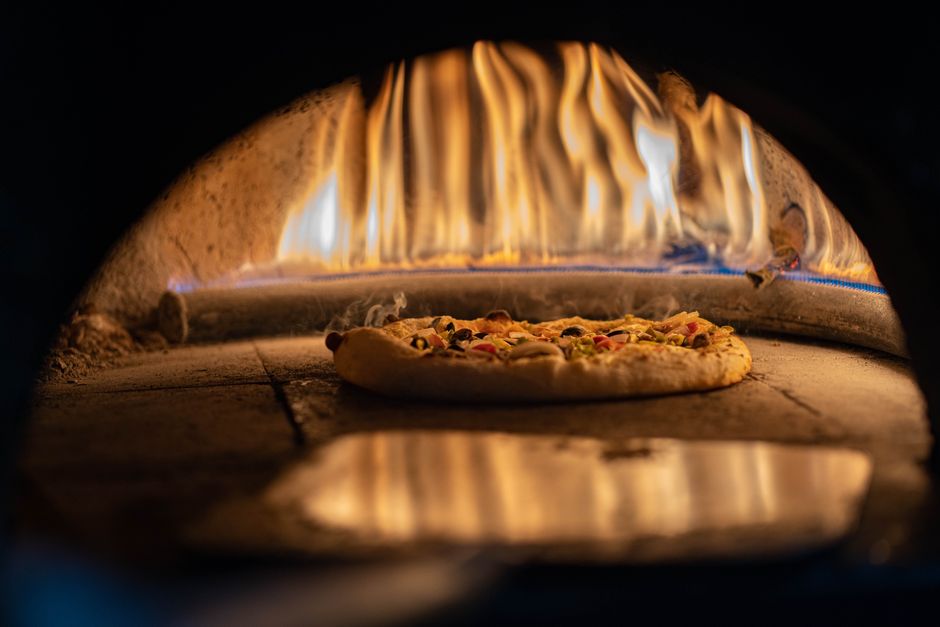
An oven fire starts when food, grease, or residue inside the cavity reaches its ignition temperature and catches flame. To stop it before it spreads, turn off the heat source and keep the oven door closed. Closing the door starves the fire of oxygen and contains it inside the oven, where it will usually burn out on its own. Never open the door to check on it, and never throw water on a grease fire.
How To Stop A Fire In The Oven Before It Spreads
The single most effective action is to shut the oven off and leave the door closed. Fire needs three things: fuel, heat, and oxygen. Turning off the oven removes the heat source. Closing the door limits the oxygen supply. Together, those two steps stop most oven fires from growing.
This works because an oven is designed as a sealed metal box. A fire inside it has a limited supply of air. Once that air is used up, the flames die down. The fire cannot spread to your cabinets or curtains as long as it stays contained behind a closed door.
Here is what to do, in order:
- Turn off the oven and any nearby heat source, such as a stovetop burner.
- Keep the oven door closed. Do not open it.
- Watch the oven from a safe distance. If smoke or flames do not stop, leave the home and call 911.
- If the fire is on the stovetop instead, slide a lid over the pan and turn off the burner.
- If flames escape the oven or reach cabinets, evacuate immediately and call emergency services.
The instinct to open the door and look is the most common mistake. Opening the door feeds the fire a rush of fresh oxygen, and flames can flare out toward your face and arms. People are burned this way more often than by the fire itself.
Why You Should Never Use Water On An Oven Fire
Water makes a grease fire worse. Cooking oils and fats float on water and are lighter than it. When water hits burning grease, it flashes to steam almost instantly and expands. That expansion throws burning grease into the air and can spread the fire across your kitchen.
This is also why you should not use a wet towel or a splash of water from a cup. Even a small amount of water contacting hot oil can cause a violent flare.
Flour and other fine powders carry the same risk. Flour dust can ignite and even explode when it contacts a flame. Never throw flour, sugar, or baking powder on a fire.
A fire extinguisher rated for Class B fires — the kind used for flammable liquids and grease — can be used if the fire is small and you know how to operate it. The standard technique is to aim at the base of the fire, not the flames, and sweep side to side. If you are not confident using an extinguisher, get out and call for help. A kitchen can be replaced. You cannot.
What Causes An Oven Fire In The First Place?
Most oven fires come from grease and food residue that has built up on the oven floor, racks, or heating elements. Every time you cook something fatty, a thin layer of grease settles inside. Over many uses, that layer thickens. When the oven gets hot enough, the grease reaches its ignition point and catches fire.
Food spills are the other common cause. A piece of food that falls onto a hot heating element can ignite directly. This is more likely in a toaster oven or a gas oven, where the flame or element is exposed.
Other causes include:
- Storing items inside the oven, such as plastic containers, bread, or paper, then accidentally turning the oven on.
- Using the oven to dry or warm items not meant for it.
- A malfunctioning thermostat that lets the oven overheat.
- Self-cleaning cycles, which reach very high temperatures and can ignite built-up residue.
The self-cleaning cycle deserves a note. It heats the oven to a very high temperature to burn off food and grease. That is exactly what it is designed to do, but it also means the cycle can produce smoke and, in rare cases, a fire if the oven is very dirty. Some manufacturers advise wiping out loose debris before running a self-clean cycle. Follow your oven’s manual.




How To Prevent An Oven Fire
Prevention comes down to keeping the oven free of the fuel that fires need. Grease and food residue are the fuel. Remove them before they build up.
Clean your oven regularly, and clean up spills as soon as the oven cools. Do not wait for a self-cleaning cycle to handle everything. Wipe the floor and racks when you notice grease collecting. Check the heating elements for food that has baked on.
Before you turn the oven on, look inside. This sounds obvious, but many fires start because something was stored in the oven and forgotten. Children sometimes put toys or plastic items inside. A quick glance takes a second and prevents a common accident.
Never leave cooking unattended, especially when roasting fatty meats or cooking at high heat. If you must step away, set a timer so you do not forget the oven is on.
Keep flammable items away from the stovetop and oven. Curtains, paper towels, wooden spoons, and oven mitts should not sit near hot surfaces. Keep a lid nearby when cooking on the stovetop so you can smother a pan fire quickly.
When Should You Leave And Call 911?
Leave immediately if the fire does not go out after you turn off the oven and keep the door closed. Leave if flames are coming out of the oven, if the fire has spread to cabinets or walls, or if your home is filling with smoke.
Smoke is a serious danger on its own. It can make it hard to breathe and see within seconds. If you cannot see clearly or breathe easily, get out.
Once you are outside, call 911. Do not go back inside for any reason. Fires can grow faster than most people expect, and a fire that seemed small can spread through a kitchen in a very short time.
If anyone has been burned, seek medical care. Burns that are large, deep, or on the face, hands, or joints need professional treatment. Do not apply butter, oil, or ointments to a burn. Cool running water is the standard first aid for minor burns, but serious burns need emergency care.
Does A Small Oven Fire Need A Fire Extinguisher?
Not always. Many small oven fires go out on their own once the heat is off and the door stays closed. A fire extinguisher is for fires that are not responding or that have escaped the oven.
If you do use an extinguisher, make sure it is rated for the type of fire. Kitchen fires often involve grease, so a Class B rating matters. Many home extinguishers are rated A-B-C, which covers common household fires. Read the label before you need it, not during an emergency.
If you have any doubt about whether you can safely put out the fire, do not try. Get everyone out and call 911. That decision is always the safer one.
Frequently Asked Questions
Should I open the oven door if there is a fire inside?
No. Keep the door closed to cut off the oxygen the fire needs and to prevent flames from flaring out at you. Opening the door can make the fire much worse in an instant.
Can I use baking soda to put out an oven fire?
Baking soda can smother a small stovetop grease fire, but for an oven fire the safer action is to turn off the heat and keep the door closed. Never use flour or water, which can make a grease fire spread.
How long does an oven fire take to go out?
A contained oven fire usually dies down within a few minutes once the heat is off and the door stays closed. If it does not go out or flames escape the oven, leave the home and call 911.
Is it safe to use the oven again after a small fire?
Only after it has fully cooled and you have cleaned out the grease or food that caused it. If the oven was damaged or you are unsure it is working correctly, have it inspected before using it again.
