
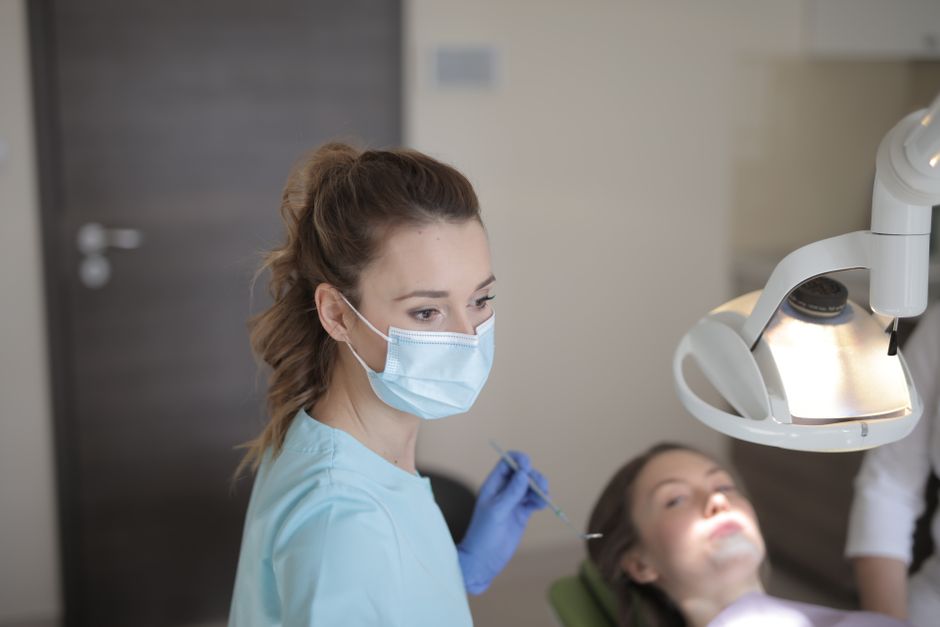
Dental anxiety is common, but you don’t have to let it control your appointments. You can stay calm at the dentist even with anxiety by using a combination of preparation, communication, and specific relaxation techniques that work during the visit. Telling your dentist about your fear upfront is the single most effective step, as it allows them to adjust their approach and pace the appointment to your comfort level.
Why Does Sitting In The Dental Chair Feel So Stressful?
Understanding the source of your fear is the first step to managing it. For many people, the anxiety is not really about pain. It is often about feeling trapped or out of control.
You are lying down in a vulnerable position. Someone is leaning over you with sharp instruments. You cannot easily speak or see what is happening. This combination can trigger a strong stress response in your body, even if your mind knows you are safe.
Some studies also suggest that past negative experiences play a major role. If you had a painful or rushed appointment as a child, your body may remember that feeling. The brain connects the smell of the office or the sound of the drill with that old threat, creating a cycle of anticipatory anxiety before you even sit down.
How To Stay Calm At The Dentist Even With Anxiety: Tell Your Dentist First
The most powerful tool you have is your voice. Tell your dentist and the dental hygienist that you are anxious before the work begins. Do not wait until you are already in the chair and feeling overwhelmed.
Dentists are trained to work with anxious patients. When they know your concerns, they can explain each step before they do it. They can also agree on a signal — like raising your left hand — that means “stop immediately.” This gives you a sense of control that directly counters the feeling of being trapped.
This conversation also allows the dentist to adjust their clinical approach. They might use a slower injection technique for the numbing medication. They might offer breaks during a longer procedure. They might also suggest nitrous oxide, commonly called laughing gas, which is a safe and effective option for reducing anxiety during treatment.
Use Controlled Breathing To Calm Your Nervous System
Your body’s stress response is automatic, but you can override it with your breath. When you are anxious, your breathing becomes fast and shallow. This makes your heart rate rise and increases feelings of panic.
Slow, deep breathing does the opposite. It activates the parasympathetic nervous system, which is responsible for rest and relaxation. This is not a vague wellness idea — it is a physiological response that lowers your heart rate and blood pressure.
Try this specific technique while you are waiting and during the appointment:
- Breathe in slowly through your nose for a count of four.
- Hold your breath gently for a count of four.
- Exhale slowly through your mouth for a count of six.
Make the exhale longer than the inhale. This longer exhale is what signals your brain to calm down. Practice this at home a few times before your appointment so it feels natural when you need it.





Distract Your Brain With Music Or Podcasts
Your brain can only focus on so much at once. If you are listening to something engaging, you have less attention available for the sounds and sensations of the dental work.
Bring your own headphones and ask if you can listen to music, an audiobook, or a podcast during the procedure. Many dental offices are happy to accommodate this. Choose something you know well and find calming. A familiar podcast episode or a playlist of your favorite songs can be more effective than silence.
Some people find that listening to a guided meditation or a sleep story works even better. These audio tracks often include instructions for relaxation that pair well with the controlled breathing technique mentioned above.
Try Progressive Muscle Relaxation In The Chair
Anxiety makes your muscles tense up, especially in your shoulders, jaw, and hands. You may not even notice you are clenching. This tension can make the appointment feel more uncomfortable and increase your perception of pain.
Progressive muscle relaxation is a simple technique that involves tensing and then releasing different muscle groups. It helps your body recognize the difference between tension and relaxation.
Here is how to do it discreetly in the dental chair:
- Start with your feet. Tense the muscles for five seconds, then release.
- Move to your calves and thighs. Tense, hold, release.
- Clench your fists tightly, then let them go loose.
- Shrug your shoulders up toward your ears, hold, then drop them down.
- Finally, relax your jaw and let your tongue rest gently at the bottom of your mouth.
Working through this sequence takes about two minutes. It gives your body a physical task to focus on and directly reduces the muscle tension that feeds the anxiety cycle.
Should You Take Medication For Dental Anxiety?
For people with severe anxiety, relaxation techniques alone may not be enough. This is where medication options come into play, and they can be highly effective.
Nitrous oxide is the most common in-office option. You inhale it through a small mask over your nose. It produces a feeling of calm and mild euphoria while keeping you fully conscious and able to respond to the dentist. The effects wear off within minutes after the mask is removed, so you can drive yourself home.
Oral sedatives are another option. Medications like triazolam or diazepam are typically taken about an hour before the appointment. They reduce anxiety but do not put you fully to sleep. You will be awake and responsive but deeply relaxed. Because these drugs impair your coordination and judgment, you will need someone to drive you to and from the appointment.
IV sedation is reserved for the most severe cases or for complex procedures. A specialist administers the medication through a vein, and you drift into a sleep-like state. You will not remember much of the procedure afterward.
These options require a conversation with your dentist or an oral surgeon. They will review your medical history to determine which option, if any, is safe for you.
What About Natural Supplements For Calming Nerves?
Many people ask about herbal remedies like chamomile, valerian root, or L-theanine before a dental visit. The evidence supporting these for acute anxiety is limited, and there are important safety concerns.
Some research suggests that chamomile may have mild calming effects, but the studies are small and the results are not consistent. Valerian root is sometimes used for sleep and anxiety, but its effectiveness for situational anxiety like a dental appointment has not been well studied.
There is no clinical guideline that recommends any specific herbal supplement for dental anxiety. If you are considering one, you must tell your dentist and your primary care doctor. Some supplements interact with medications used in dentistry, including sedatives and local anesthetics. For example, valerian root can increase the sedative effects of anesthesia, which may be dangerous.
Do not take any supplement without first discussing it with your healthcare provider. The potential risks are not worth the uncertain benefit.
Build A Long-Term Strategy For Dental Visits
Managing dental anxiety is not just about the day of the appointment. It is also about changing your relationship with dental care over time.
One effective strategy is to schedule a “no-work” appointment. This is simply a visit where you sit in the chair, talk to the dentist, and have a look around. No instruments, no procedures. This helps your brain learn that the dental office is not always a place of discomfort. It builds trust between you and the dental team.
Regular check-ups also help. When you visit the dentist every six months for a cleaning, you have a chance to catch small problems early. Small problems mean simpler, shorter, and less invasive treatments. This reduces the likelihood of needing a long, complex procedure that feels overwhelming.
It is also worth remembering that modern dentistry is far less painful than it used to be. Local anesthetics are highly effective, and dentists have access to techniques that minimize discomfort. The anticipation of pain is often worse than the actual experience.
Frequently Asked Questions
Can I ask the dentist to stop during the procedure?
Yes, absolutely. Agree on a hand signal before the appointment, such as raising your left hand, and the dentist will stop immediately.
Is laughing gas safe for dental anxiety?
Nitrous oxide is considered safe for most people when administered by a trained dental professional, and its effects wear off within minutes.
What should I do if I panic during the appointment?
Use your agreed stop signal, then focus on slow breathing with a longer exhale until your heart rate settles before continuing.
Does dental anxiety medication require a ride home?
Oral sedatives and IV sedation require a responsible adult to drive you home, but nitrous oxide does not because it wears off quickly.
