
Standing still for long periods hurts most people. The pain is real, and it is not just about weak muscles. When you stand, your veins work against gravity to push blood back to your heart. Muscles in your legs pump that blood upward. When you stand still, those muscles stay quiet, blood pools in your lower legs, and pressure builds. That pressure triggers pain, fatigue, and swelling. The fix is not just “toughening up” — it is understanding how your body handles standing and using small movements and positioning to keep blood moving.
Why Does Standing Still Hurt So Much?
Standing still is physically harder than walking for most people. Walking uses leg muscles as a pump. Each step squeezes veins and pushes blood upward against gravity. Standing still removes that pump. Blood gathers in the lower legs, veins stretch, and fluid leaks into surrounding tissue.
That pooling triggers a chain reaction. Pressure builds in the veins, the legs feel heavy and achy, and eventually the discomfort becomes sharp or burning. This is why people who stand all day — retail workers, chefs, factory workers — often complain of tired, swollen legs by evening. The problem is not muscle fatigue alone. It is blood and fluid management.
Your body also works to keep you upright. Small muscles in your feet, calves, and back constantly fire to maintain balance. Even when you feel still, you are never truly motionless. You sway slightly, and those micro-adjustments fatigue muscles over time.
How To Stand Still For A Long Time Without Pain
The most effective strategy is to keep moving, even when you appear still. Shift your weight from one leg to the other every few minutes. Rock slightly from heels to toes. These small movements activate the calf muscle pump and push blood back toward your heart.
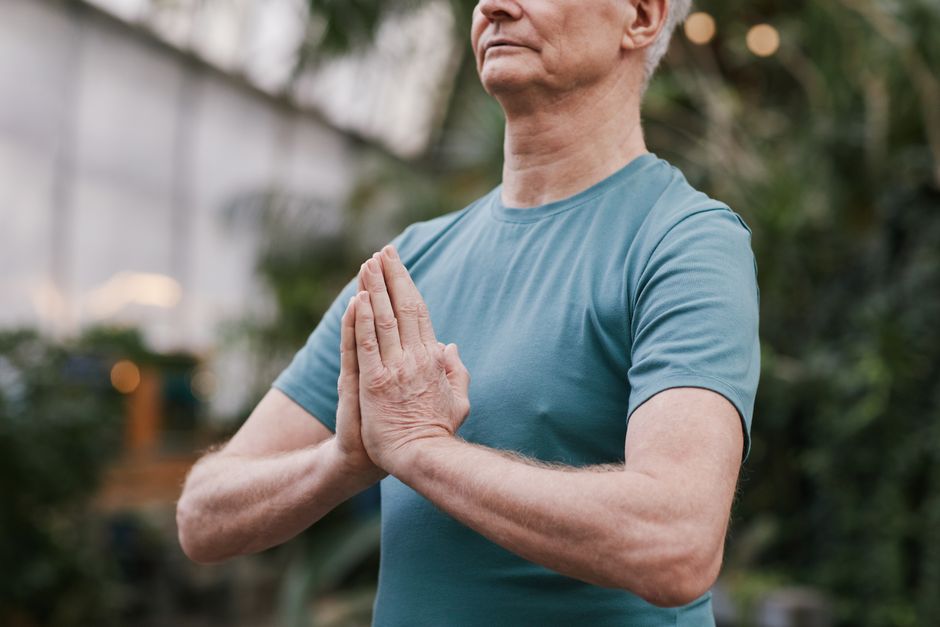
Positioning matters as much as movement. Stand with your feet shoulder-width apart. Keep your knees soft — never locked. Locked knees put unnecessary strain on joints and reduce blood flow. Tuck your pelvis slightly under, keep your shoulders back, and hold your head level. This alignment distributes your weight evenly across your feet.
Place one foot on a low step or footrest if you can. Raising one foot slightly — even by an inch or two — reduces pressure on your lower back and changes the angle of your hips. Alternate which foot is elevated every few minutes. This simple change can dramatically reduce discomfort during long periods of standing.
Wear supportive footwear. Flat shoes with thin soles offer almost no cushioning. Shoes with arch support and a small heel — about half an inch to one inch — reduce strain on your feet and lower back. If your job requires long standing, consider compression socks. They gently squeeze your lower legs and help veins push blood upward.
What Happens To Your Body When You Stand For Hours?
Blood volume shifts downward. Within minutes of standing, a significant portion of your blood moves into your lower extremities. Your heart rate rises slightly as your body works harder to maintain blood flow to your brain.
Fluid leaves your blood vessels and enters surrounding tissue. This is why your ankles may swell after a long day on your feet. The swelling is temporary for most people and resolves with rest and leg elevation. But for some, it signals a deeper issue with vein function.
Your spine also feels the strain. Standing compresses the discs between your vertebrae. Over hours, this compression can cause lower back pain, especially if your posture is poor. The pain often feels worse than it would after walking the same amount of time because your spine is not getting the shock absorption and movement that walking provides.
Muscles in your feet take a heavy load. The small intrinsic muscles of the feet work constantly to keep you balanced. Over time, they fatigue and cramp. This is why foot pain is often the first complaint from people who stand for long periods.


Do Compression Socks Actually Help?
Yes, for most people. Compression socks apply graduated pressure — tightest at the ankle and gradually looser toward the knee. That pressure supports your veins and reduces blood pooling. Studies have found that compression stockings reduce leg pain and swelling in people who stand for long periods.
They are not a cure-all. Compression socks help manage symptoms but do not fix underlying vein problems. If you have peripheral artery disease or diabetes, talk to your doctor before using compression socks. They are not appropriate for everyone.
Choose graduated compression — meaning the pressure decreases as it moves up your leg. Over-the-counter options typically range from 15 to 20 mmHg, which is sufficient for most people who stand at work. Higher compression levels require a prescription.
How To Recover After A Long Day Of Standing
Elevate your legs when you get home. Lie down and prop your legs on pillows so your feet are above your heart. This allows gravity to help drain fluid from your lower legs. Fifteen to twenty minutes can noticeably reduce swelling.
Move your ankles. While sitting or lying down, point your toes and flex your feet repeatedly. This activates the calf muscle pump without requiring you to stand. Do this for a few minutes every hour if you can.
Soak your feet in cool water. Heat can increase swelling. Cool water constricts blood vessels and may reduce inflammation. If your feet are sore rather than swollen, a warm soak may feel better — but cool is generally better for swelling.
Stretch your calves and hamstrings. Tight calf muscles pull on your Achilles tendon and increase strain on your feet and lower back. Gentle stretching before bed can reduce morning stiffness.
When Standing Pain Signals A Bigger Problem
Occasional discomfort after a long day is normal. Persistent pain, visible varicose veins, or swelling that does not improve with elevation may indicate chronic venous insufficiency. This condition means your veins cannot effectively return blood to your heart.
See a doctor if you notice any of these signs:
- Swelling that does not go down overnight
- Skin changes on your lower legs — darkening, thickening, or redness
- Pain that worsens over weeks rather than improving
- Leg ulcers or open sores that do not heal
- Sudden swelling in one leg only, especially with pain
Sudden swelling in one leg with pain can be a blood clot. This is a medical emergency. Do not wait to see if it improves — seek medical care immediately.
Does Posture Really Matter That Much?
Yes. Poor posture increases the load on your spine and joints. When you slouch, your head moves forward, and your neck and upper back muscles work harder to hold it up. That strain radiates down your spine.
Good standing posture is not about standing rigidly at attention. It is about alignment. Your ears should be over your shoulders, your shoulders over your hips, and your hips over your ankles. Keep your chin level and your gaze forward. Let your arms hang naturally at your sides.
Check your posture every few minutes. Most people gradually slump as fatigue sets in. A quick mental check — are my shoulders relaxed, is my chin level, are my knees soft — can prevent the gradual slide into poor alignment.
Frequently Asked Questions
What is the best way to stand for hours without pain?
Shift your weight every few minutes and keep your knees slightly bent. Place one foot on a low step or footrest and alternate sides regularly.
Do compression socks help with standing all day?
Yes, graduated compression socks reduce leg pain and swelling for most people who stand for long periods. They are not appropriate for everyone, so check with your doctor if you have circulation problems or diabetes.
Why do my legs ache when I stand still but not when I walk?
Walking activates the calf muscle pump, which pushes blood back toward your heart. Standing still lets blood pool in your lower legs, increasing pressure and causing aching.
How long does it take for standing-related swelling to go down?
Mild swelling usually resolves within a few hours of rest with legs elevated. If swelling persists overnight or worsens, see a doctor.
