
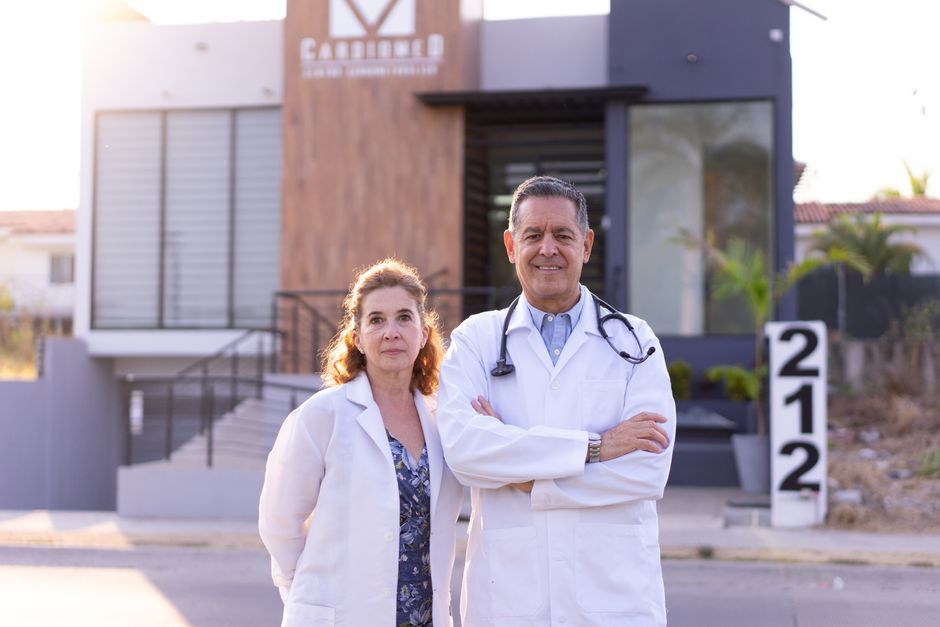
Getting into medical school takes more than a high GPA and a strong MCAT score. Thousands of applicants each year have excellent academic records, so schools need other ways to tell candidates apart. Admissions committees look for evidence that you understand medicine as a practice, not just as a subject. They want to see maturity, persistence, and a genuine commitment to patient care. The good news is that you can build these qualities deliberately, starting now.
What Do Medical Schools Actually Look For Beyond Grades?
Admissions committees evaluate several core competencies alongside your academic record. These include service orientation, social skills, cultural competence, teamwork, and resilience. They also assess your ability to reflect on experiences and learn from them.
Your personal statement, activity list, and interview responses give schools a window into these traits. A candidate who shadowed a physician for 40 hours and wrote a thoughtful reflection may stand out more than one who logged 200 hours without apparent insight. Quality of engagement matters more than raw quantity.
Schools differ in how they weigh these factors. Some prioritize research experience. Others emphasize community service or primary care exposure. Research the mission of each school you apply to and tailor your experiences and essays accordingly.
How To Stand Out For Medical School Beyond Good Grades
Clinical experience is the foundation. You need to show that you have seen real patients and understand the realities of medical practice. This can come from paid positions like medical scribing or EMT work, or from structured volunteer roles in hospitals or clinics.
Direct patient contact is valuable, but so is observing how physicians think and communicate. Shadowing teaches you the rhythm of clinical work. It also gives you material for interviews and essays. When you describe what you saw and how it affected you, committees can tell whether you were paying attention.
Community service shows that you care about people beyond a clinical setting. Long-term commitment to one organization often carries more weight than brief involvement with many. If you have been tutoring underserved students for three years, that demonstrates consistency and genuine interest. A one-time mission trip does not.
Leadership experience matters, but it does not require a formal title. Starting a study group, organizing a food drive, or mentoring younger students all count. What matters is that you identified a need and took action to address it. Be ready to explain what you learned from the experience, including any setbacks.
Does Research Experience Help Your Application?
Research experience strengthens your application, especially for research-focused medical schools. It shows you can think critically, analyze data, and persist through challenges. You do not need to be first author on a published paper. A solid letter from your research mentor describing your contribution can be just as effective.
Basic science research in a lab is the traditional path, but clinical research and public health projects also count. Some applicants complete a senior thesis or participate in a summer research program. The key is to understand the question your project addressed and what your specific role was.
If you cannot find a paid research position, ask professors in your department about volunteer opportunities in their labs. Many are willing to train motivated undergraduates. Even a semester of hands-on experience gives you something concrete to discuss.





How Important Are Physician Shadowing and Clinical Volunteering?
Shadowing gives you direct exposure to the physician’s role. Most successful applicants have at least 40 to 60 hours of shadowing across one or two specialties. More important than the total is what you learned. Some premeds shadow in primary care, emergency medicine, and surgery to compare how doctors practice in different settings.
Clinical volunteering is different from shadowing. As a volunteer, you are part of the care team, even if your role is limited to greeting patients, restocking supplies, or transporting people. These experiences teach you how hospitals function and how patients experience illness. They also show admissions committees that you can handle the emotional realities of healthcare.
Hospice volunteering, working a crisis hotline, or helping at a free clinic are all meaningful options. Some students worry that these roles do not involve enough medicine. That misses the point. The goal is to demonstrate compassion and maturity, not to perform procedures.
What Makes a Personal Statement Memorable?
A strong personal statement tells a story that only you can tell. It should explain why you want to practice medicine and what experiences shaped that decision. Avoid listing accomplishments. Committees already have your transcript and activity list.
Choose one or two formative experiences and explore them in depth. Show how you changed, what you questioned, and how you grew. Specific details make your writing vivid. Instead of saying you enjoyed volunteering at a clinic, describe a particular patient interaction that stayed with you and why.
Draft early and revise often. Ask trusted mentors and peers to read your essay and give honest feedback. Your writing voice should sound like you, not like a thesaurus. Admissions readers can tell when an essay has been over-polished to the point of losing authenticity.
How Do Letters of Recommendation Factor In?
Strong letters of recommendation can tip the balance in your favor. Most schools require a committee letter or a set of individual letters from professors and mentors. The best letters come from people who know you well and can speak specifically to your strengths.
Build relationships with professors early. Attend office hours, ask thoughtful questions, and engage with the material. A letter from a science professor who supervised your independent project carries more weight than one from a large lecture course where you were one of 300 students.
Give your letter writers time. Ask at least a month in advance and provide them with your resume, personal statement draft, and a list of experiences you want highlighted. Remind them of specific moments or projects you worked on together. A detailed letter that describes your growth over time is far more persuasive than a generic endorsement.
What Role Do Extracurricular Activities Play?
Extracurriculars show who you are outside of academics. They demonstrate that you have interests, skills, and a life beyond studying. Sustained involvement in one or two activities is generally stronger than superficial participation in many.
Consider activities that align with medicine indirectly. Teaching, coaching, playing a musical instrument, or competing in athletics all build skills that transfer to clinical practice. Teamwork, communication, discipline, and the ability to handle pressure are all relevant to medicine.
If you have a nontraditional background or interest, use it to your advantage. An engineering major who wants to design medical devices brings a unique perspective. A philosophy student who studied ethics offers a different lens on patient care. Medical schools increasingly value diverse intellectual backgrounds.
How Should You Prepare for the Interview?
The interview is your chance to show that you are personable, thoughtful, and genuinely interested in medicine. Many schools use the multiple mini interview format, where you rotate through short scenarios assessing communication, ethics, and critical thinking.
Practice articulating your experiences out loud. Have someone ask you common questions like “Why medicine?” and “Tell me about a time you faced a challenge.” Your answers should be concise and grounded in real examples. Avoid memorized speeches. Committees can spot rehearsed responses quickly.
Stay current on issues in healthcare. You do not need to have strong opinions on every policy debate, but you should be able to discuss topics like healthcare access, medical ethics, and the role of technology in medicine. Read a reputable news source regularly in the months before your interviews.
Remember that the interview is also your chance to evaluate the school. Prepare thoughtful questions about the curriculum, clinical rotations, and student support services. Showing that you have done your homework leaves a positive impression.
Frequently Asked Questions
How many hours of clinical experience do I need for medical school?
There is no official minimum, but most successful applicants have at least 100 to 150 hours of combined clinical experience. Quality and what you learned matter more than reaching a specific number.
Do medical schools prefer research or community service?
It depends on the school’s mission. Research-focused programs value lab experience, while schools emphasizing primary care may weigh community service more heavily. A balance of both is the safest approach.
Can I get into medical school without shadowing a physician?
Technically yes, but it is rare and makes your application harder to evaluate. Shadowing demonstrates that you understand the realities of clinical practice and still want to pursue medicine.
What is the most common mistake premed students make on their applications?
Listing activities without reflecting on what they learned. Committees want to see growth and insight, not just a chronological record of what you did.
