
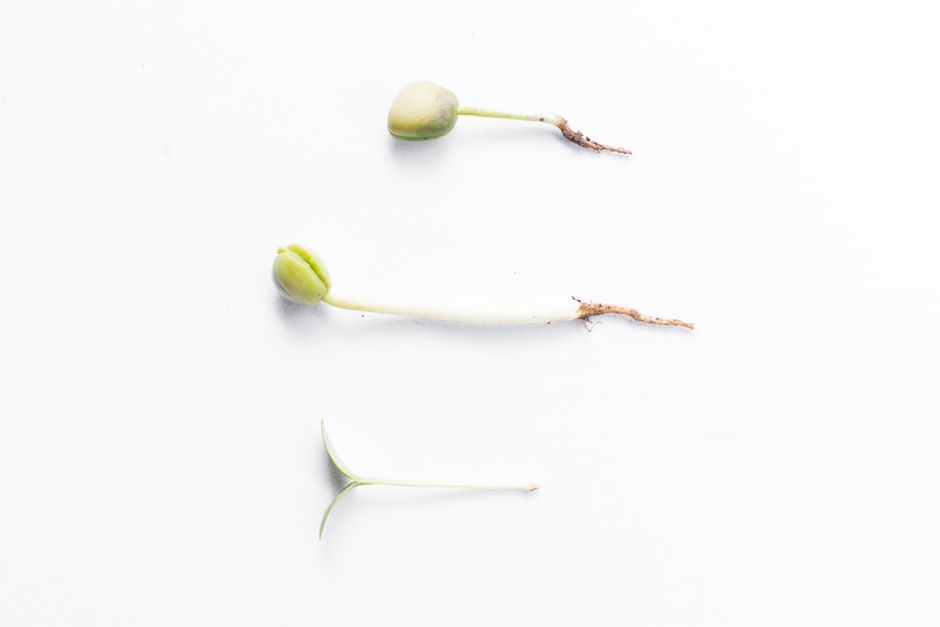
Growing a mango tree from a seed is a fun project, but it often ends in frustration. The two biggest problems are a seed that never sprouts and mold that ruins the seed before it gets a chance. The fastest way to sprout a mango seed is to remove the hard outer husk, wrap the inner kernel in a damp paper towel, and seal it in a plastic bag in a warm spot. To avoid mold, change the paper towel every couple of days and keep the bag slightly open for airflow. This method gives you results in about one to three weeks, while leaving the husk on can take months or fail entirely.
Why Do Mango Seeds Get Moldy?
Mold is the most common reason mango seed sprouting fails. The seed sits in a warm, moist environment for weeks. That is exactly what mold needs to grow.
The hard outer husk of a mango seed traps moisture against the inner kernel. When you wrap the whole seed in a wet paper towel, you create a sealed, humid chamber. The husk holds water against the seed coat, and mold spores — which are everywhere in the air — land and multiply.
Another factor is the mango itself. A seed from an overripe or rotting fruit already carries mold spores on its surface. If you skip cleaning the seed properly, you are planting the problem from day one.
Temperature matters too. Seeds kept too cold sit in damp conditions without germinating, giving mold more time to take over. Seeds kept too hot can cook or dry out. The sweet spot is warm room temperature, around 75–85°F (24–29°C).
How To Sprout A Mango Seed Fast And Avoid Mold
The fastest method starts with a sharp knife and a careful hand. You need to remove the outer husk to expose the inner kernel. This is the single most important step for speed.
Here is the process step by step:
- Remove the flesh. Eat the mango or cut the fruit away from the seed. Rinse the seed under cool water to remove all remaining fruit.
- Dry the husk. Let the outer seed sit for a few hours or overnight. A slightly drier husk is easier to cut.
- Cut the husk open. Use a sharp knife to carefully cut along the edge of the husk, like opening a clam. Do not cut toward your hand. Pry it open gently. Inside, you will find a bean-shaped kernel.
- Peel the thin papery skin. The kernel has a brown, papery coating. You can leave it on, but removing it helps you spot mold earlier and may speed germination.
- Wrap in a damp paper towel. The towel should be moist but not dripping. If you can squeeze water out of it, it is too wet.
- Seal in a plastic bag. Use a zipper bag. Leave it slightly open at one corner for airflow. This is your mold prevention strategy.
- Store in a warm place. On top of the refrigerator or near a warm appliance works well. Check every two days.
- Change the paper towel. Replace it with a fresh damp towel every two to three days. This removes mold spores before they can establish.
Within one to three weeks, you should see a root emerge from the kernel. Once the root is about an inch long, plant the kernel in potting soil with the root pointing down.
How Long Does It Take For A Mango Seed To Sprout?
With the husk removed and the paper towel method, expect germination in one to three weeks. Some seeds sprout in as little as five days. Others take a month.
If you leave the husk on and plant the whole seed directly in soil, expect to wait anywhere from two to eight weeks. Some seeds take months. The husk is hard and the root must push through it, which slows everything down.
Patience is part of the process. If the kernel looks firm and healthy after three weeks, keep waiting. If it turns brown, mushy, or smells sour, it has rotted and will not sprout.



What If You Cannot Remove The Husk Safely?
Removing the husk requires a sharp knife and careful technique. If you are not comfortable cutting into a hard seed, there is a safer alternative.
Use a pair of heavy-duty scissors or pliers to crack the husk instead of cutting it. Place the seed on its edge and squeeze gently until it cracks. Then peel the pieces away.
Another option is to soak the whole seed in warm water for 24 hours before attempting to open it. This softens the husk slightly and makes it easier to cut. It also rinses away some surface mold spores.
Avoid the method that involves drying the whole seed for weeks before planting. This is a common recommendation online, but it does not speed up germination. It just adds time and increases the chance of the seed drying out too much to sprout.
Is It Better To Plant The Seed Directly In Soil?
Planting the husked seed directly in soil works, but it is slower and harder to monitor. You cannot see the seed, so you do not know if it is germinating, rotting, or simply dormant.
If you choose this method, plant the seed horizontally about an inch deep in well-draining potting mix. Water lightly and keep the soil consistently moist but not soggy. Place the pot in a warm spot with indirect light.
Check for mold by gently brushing away the top layer of soil every week. If you see white, fuzzy growth on the seed, it is likely mold. If the seed feels soft when you press it, it has rotted.
The paper towel method is better for most home growers because it lets you watch the seed. You see the root emerge, and you can catch mold before it destroys the seed. Once you see a healthy root, the seed is ready for soil.
Common Mistakes That Kill Mango Seeds
Most failed mango seeds die from one of a few predictable errors. Knowing them helps you avoid repeating them.
Too much moisture. A soaking-wet paper towel drowns the seed and invites mold. The towel should feel damp, not wet. If water pools in the bag, the seed is too wet.
No airflow. A fully sealed bag traps humidity and creates a mold incubator. Leave the bag slightly open or poke a few small holes in it.
Cold location. A cool room slows germination dramatically. The seed sits in damp conditions longer, and mold gains the upper hand. Keep the seed warm.
Skipping the husk removal. The husk is not just a physical barrier. It holds moisture against the kernel and hides mold growth until it is too late.
Using a rotten seed. If the mango was overripe or the seed smells fermented, it may already be dead. Start with a fresh, healthy fruit.
Does The Mango Variety Matter?
Yes, but not the way most people think. Any mango seed can sprout using this method. The variety affects the quality of the fruit the tree will produce, not the germination process.
Most grocery store mangoes come from polyembryonic varieties. This means the seed can produce multiple sprouts, and the new trees are typically identical to the parent. This is good news — your store-bought mango seed can grow into a tree that bears similar fruit.
Some varieties are monoembryonic. Seeds from these trees produce a single sprout that is a genetic mix, not a clone. The fruit quality is unpredictable. This matters only if your goal is growing fruit. If your goal is growing a houseplant or a shade tree, it does not matter at all.
One important note: a mango tree grown from seed takes five to eight years to bear fruit, if it bears at all. If you want fruit sooner, a grafted nursery tree is the practical choice. If you want the experience of growing a tree from a seed, this project is for you.
How To Plant The Sprouted Seed
Once the root is about one inch long, the seed is ready for soil. Use a pot with drainage holes and a well-draining potting mix.
Plant the kernel about an inch deep with the root pointing down. The top of the kernel should sit just below the soil surface. Water lightly and place the pot in a warm spot with bright, indirect light.
Keep the soil moist but not soggy. A seedling will emerge within a few weeks. Once the seedling has several sets of leaves, move it to a larger pot or plant it outdoors if you live in a warm climate.
Mango trees need warmth. They cannot survive frost. If you live in a cold climate, keep the tree in a pot and move it indoors during winter. With proper care, a mango tree can live for decades as a container plant.
Frequently Asked Questions
Can you sprout a mango seed without removing the husk?
Yes, but it takes much longer and has a higher failure rate. The husk slows germination and traps moisture that promotes mold.
How often should you change the paper towel when sprouting a mango seed?
Change it every two to three days. Fresh paper towels remove mold spores and keep moisture levels consistent.
What does a rotten mango seed look like?
A rotten seed turns brown, soft, and mushy, and it often smells sour or fermented. A healthy seed stays firm and pale.
Can you grow a mango tree indoors?
Yes, but it needs a large pot, bright light, and warm temperatures year-round. It will not bear fruit indoors, but it can grow into a handsome houseplant.
