
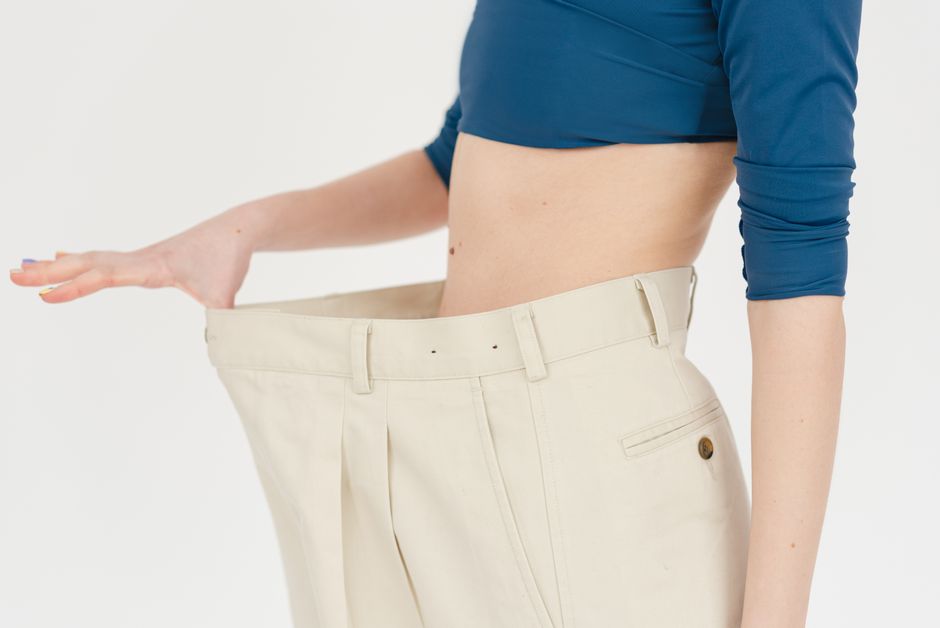
Ketosis alone does not guarantee fast weight loss. Many people enter ketosis and then wonder why the scale barely moves. The truth is that ketosis creates the right metabolic environment for fat burning, but you still need to nudge your body in the right direction. Eating too many calories, even from keto-friendly foods, will slow you down. Not getting enough electrolytes can stall your energy and your progress. The fastest way to speed up weight loss in ketosis is to combine a moderate calorie deficit with smart protein intake, strategic exercise, and careful attention to your sleep and stress levels. These steps are simple, and they work.
How Does Ketosis Actually Help You Lose Weight?
Ketosis is a metabolic state where your body burns fat for fuel instead of glucose. When you eat very few carbohydrates, your liver starts making ketones from stored fat. These ketones become your main energy source.
This shift matters for weight loss because your body becomes better at using fat for energy. Studies have found that people in ketosis tend to have lower insulin levels. Lower insulin makes it easier for fat cells to release stored fat.
But ketosis is not a magic switch. It is a tool. If you eat too many calories, your body will store fat even in ketosis. The advantage is that most people feel less hungry on a keto diet. That natural calorie reduction is where real weight loss starts.
Current research suggests that ketosis can help you lose about two to three more pounds over several months compared to other diets. The difference is modest but real. The bigger benefit is that many people find it easier to stick with.
What Is the Right Calorie Deficit for Ketosis?
You need a calorie deficit to lose weight. This is true on any diet, including keto. Some people believe they can eat unlimited fat and still lose weight. That is not how biology works.
Research shows that a deficit of 300 to 500 calories per day is effective for steady weight loss. Going lower than that can backfire. Very low calorie diets can slow your metabolism and cause muscle loss.
On keto, your calorie intake should come mostly from fat and protein. Fat provides energy. Protein protects your muscle. A typical breakdown is 70 percent fat, 25 percent protein, and 5 percent carbs.
Track your food for at least a week. Many people underestimate how much they eat. Use a simple app or a food scale. Once you know your baseline, cut 300 calories and see what happens.
How Much Protein Do You Need to Protect Muscle?
Protein is the most important macronutrient for weight loss in ketosis. It keeps your muscles from breaking down while you lose fat. Muscle tissue burns more calories than fat tissue, even at rest.
Studies have found that people on keto who eat enough protein lose more fat and less muscle. The recommended amount is about 0.8 grams of protein per pound of body weight. For a 180-pound person, that is roughly 144 grams per day.
This is higher than what many keto guides suggest. Some older keto protocols kept protein low to maintain high ketone levels. Current research shows that moderate protein does not kick you out of ketosis. It helps you stay in it longer because you feel fuller.
Good protein sources include eggs, chicken, beef, fish, and tofu. Spread your protein across meals. Aim for 30 to 40 grams per meal rather than eating all your protein at dinner.
-
 What is the Ice Hack for Weight Loss? A Simple Explanation
 -
How to Use Protein Powder for Weight Loss? A Simple Guide
-
How to Get Your Period Back After Weight Loss? A Simple Guide
-
How to Figure Percentage of Weight Loss? Simple Steps That Help
-
Citrus Burn Reviews 2026. What Users Say About Weight Loss!

Does Exercise Speed Up Weight Loss in Ketosis?
Exercise helps, but not in the way most people think. Cardio burns calories during the workout. Strength training builds muscle that burns calories all day. Both have a place.
Research shows that combining keto with resistance training leads to better body composition changes. People lose more fat and keep more muscle compared to diet alone. The muscle you keep helps prevent the metabolic slowdown that often happens with weight loss.
High-intensity interval training, or HIIT, works well with ketosis. Short bursts of intense effort followed by rest periods burn glycogen quickly and then shift your body toward fat burning. Sessions of 15 to 20 minutes are enough.
Do not expect to perform at your peak during the first few weeks of keto. Your body needs time to adapt to using fat for fuel. After about four to six weeks, most people report steady energy and better workout performance.
What Role Do Sleep and Stress Play in Ketosis Weight Loss?
Sleep and stress are often overlooked, but they matter a lot. Poor sleep raises cortisol, a stress hormone. High cortisol signals your body to hold onto fat, especially around your belly.
Studies have found that people who sleep fewer than six hours per night lose less weight on any diet. The same is true for keto. One study showed that sleep-deprived people had higher hunger hormones and lower fullness hormones.
Stress also affects ketosis. When you are stressed, your body produces more cortisol. Cortisol can raise blood sugar and insulin levels, which makes it harder to stay in ketosis. Some people report that stress alone knocks them out of ketosis for a day or two.
Simple fixes help. Aim for seven to eight hours of sleep per night. Keep a consistent bedtime. For stress, try a short walk, deep breathing, or five minutes of quiet time. These small habits add up over weeks and months.
What Are Common Mistakes That Slow Down Ketosis Weight Loss?
Many people make the same mistakes. Knowing them can save you weeks of frustration.
Eating too many keto treats is a big one. Fat bombs, keto bars, and low-carb desserts are still calories. They can add up fast. Some have hidden sugars or sugar alcohols that affect blood sugar in some people.
Not drinking enough water is another mistake. Ketosis makes your body flush out more water and electrolytes. Dehydration can cause fatigue, headaches, and constipation. It also makes it harder for your body to burn fat efficiently.
Electrolyte imbalance is common. Low sodium, potassium, and magnesium can cause muscle cramps, low energy, and brain fog. Many people quit keto because they feel terrible, but the fix is simple. Add salt to your food. Eat leafy greens and avocados. Consider a magnesium supplement.
Some people also eat too much dairy. Dairy is high in calories and can cause inflammation in some individuals. If your weight loss stalls, try cutting back on cheese and cream for a week and see if things change.
How to Speed Up Weight Loss in Ketosis with Intermittent Fasting
Intermittent fasting pairs well with ketosis. Both approaches lower insulin levels and shift your body toward fat burning. Combining them can create a stronger effect than either alone.
The most common method is the 16:8 schedule. You eat all your meals within an eight-hour window and fast for sixteen hours. For example, eat between noon and 8 PM, then fast until noon the next day.
Research shows that intermittent fasting can increase ketone levels. One study found that people who fasted for 16 hours had significantly higher ketones than those who ate three meals a day. Higher ketones may mean more fat burning.
Fasting also helps with calorie control. It is harder to overeat when you have fewer hours to eat. Many people naturally eat fewer calories without feeling deprived.
Start slowly. Try a 12-hour fast first. Then gradually extend to 14 hours, then 16. Listen to your body. Some people feel great with fasting. Others feel dizzy or irritable. If that happens, shorten your fast or eat more protein during your eating window.
What to Eat and What to Avoid for Faster Results
Your food choices matter more than you think. Even on keto, some foods support weight loss better than others.
Eat plenty of non-starchy vegetables. Broccoli, spinach, cauliflower, zucchini, and bell peppers are low in carbs and high in fiber. Fiber helps you feel full and supports gut health. Aim for at least two cups of vegetables per day.
Choose whole foods over processed keto products. Whole foods like eggs, meat, fish, nuts, seeds, and avocados are more satisfying. They provide vitamins and minerals that processed foods lack.
Avoid foods labeled as keto that contain maltitol or other sugar alcohols. Maltitol can raise blood sugar almost as much as sugar. Some people find that even small amounts kick them out of ketosis.
Limit nuts and seeds if your weight loss stalls. They are healthy but very calorie-dense. A handful of almonds has about 170 calories. It is easy to eat several handfuls without thinking.
| Food Type | Eat More Of | Eat Less Of |
|---|---|---|
| Vegetables | Leafy greens, broccoli, cauliflower | Potatoes, corn, carrots |
| Protein | Eggs, chicken, beef, fish, tofu | Processed meats with added sugar |
| Fats | Avocado, olive oil, coconut oil | Vegetable oils, margarine |
| Snacks | Celery with almond butter, hard-boiled eggs | Keto bars, fat bombs, diet sodas |
How Long Does It Take to See Results?
Results vary from person to person. Some people lose several pounds in the first week. That is mostly water weight as your body flushes out glycogen stores. Real fat loss happens more slowly.
After the first week, expect to lose one to two pounds per week. This is a healthy and sustainable rate. Faster loss often means muscle loss or water loss, not fat loss.
If you lose weight for a few weeks and then stall, do not panic. Weight loss naturally slows down as you get smaller. Your body needs fewer calories at a lower weight. You may need to adjust your calorie intake or increase your activity level.
Some people also experience a plateau after several months on keto. This is normal. Your body adapts to any diet over time. Taking a short break or changing your exercise routine can help restart progress.
Be patient. As of 2026, the best evidence still shows that slow, steady weight loss is more likely to stay off than rapid loss. Focus on habits, not the scale.
Frequently Asked Questions
Can you speed up weight loss in ketosis by eating less fat?
Yes, eating less fat can help if you are eating too many calories. But do not cut fat too low or you will feel hungry and may lack energy.
Does exercise speed up weight loss in ketosis?
Yes, especially strength training and high-intensity interval training help preserve muscle and burn more fat. Cardio alone is less effective for long-term results.
How much water should I drink on keto for weight loss?
Drink at least eight to ten cups per day. More if you exercise or live in a hot climate. Water helps with fat metabolism and prevents dehydration.
Will intermittent fasting speed up weight loss in ketosis?
Many people find it helps by lowering insulin and reducing calorie intake. Start with a 12-hour fast and work up to 16 hours if it feels right for you.
