
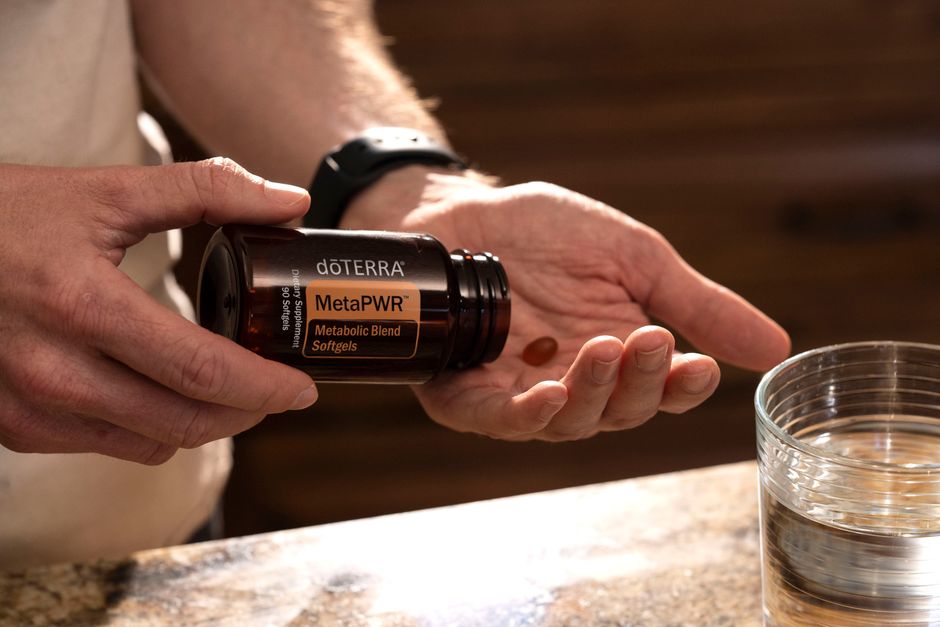
Your liver works around the clock filtering blood, processing nutrients, and clearing waste. When people talk about “speeding up” liver metabolism, they usually want more energy, better digestion, or help losing weight. The truth is you cannot force your liver to work faster than its natural capacity, but you can remove the things that slow it down and support its normal function. The most effective strategies are consistent sleep, regular physical activity, limiting alcohol, and eating a balanced diet with plenty of vegetables and fiber. No supplement, tea, or “detox” product has been proven to boost liver metabolism beyond what your body already does on its own.
What Does Liver Metabolism Actually Mean?
Liver metabolism refers to the chemical processes your liver performs every second. It breaks down fats, stores sugar as glycogen, makes proteins, and filters toxins from your blood. These processes run constantly, whether you are awake or asleep.
Your liver does not have a “speed setting” you can adjust. It works at the rate your body needs. What changes is how efficiently it works. A liver burdened by excess fat, heavy alcohol use, or poor nutrition processes things more slowly and less effectively. The goal is not to make it faster but to remove the burden so it can work normally.
The liver is also the only organ that can fully regenerate. It can repair damage if the cause is removed. That is good news. It means the steps you take to support liver health can produce real improvement over weeks and months.
Does the Liver Really Need a “Detox”?
No. Your liver is already a detoxification system. It processes alcohol, medications, metabolic waste, and environmental chemicals without any help from special diets or products.
The commercial “liver detox” industry sells juices, teas, and supplements that claim to flush toxins. None of these products have been shown to improve liver function in healthy people. Some can actually cause harm. Certain herbal supplements have been linked to liver injury, and juice cleanses can spike blood sugar or deprive you of protein.
What your liver needs is not a cleanse. It needs you to stop feeding it excess alcohol, highly processed food, and unnecessary medications. When you remove those inputs, the liver does its job on its own. That is the only “detox” that has ever been proven to work.
How To Speed Up Liver Metabolism What Actually Works
The most direct answer is that you speed up liver metabolism by removing what slows it down. Alcohol is the single biggest factor. Heavy drinking causes fat to build up in liver cells, which interferes with normal function. Reducing or eliminating alcohol gives your liver room to work efficiently again.
Weight loss matters too, especially if you carry excess weight around your middle. Fat accumulation in the liver — called hepatic steatosis — is extremely common and directly impairs liver metabolism. Losing even 5 to 10 percent of your body weight has been shown to reduce liver fat and improve liver enzyme levels.
Exercise helps independently of weight loss. Physical activity increases the liver’s ability to burn fat for energy. Both aerobic exercise and resistance training have been studied, and both appear beneficial. Aim for regular movement most days of the week, but do not obsess over a specific routine. Consistency matters more than intensity.




What Foods Support Liver Function?
Coffee is one of the most studied foods for liver health. Research consistently shows that regular coffee consumption is associated with lower risk of liver disease progression and lower levels of abnormal liver enzymes. The effect appears to come from coffee itself, not caffeine, since decaf shows similar benefits in some studies.
Vegetables, particularly leafy greens, provide fiber and nutrients that support liver metabolism. Broccoli, Brussels sprouts, and other cruciferous vegetables contain compounds that help the liver process certain toxins. These foods are not magic, but they are part of a pattern that works.
Protein matters because the liver needs amino acids to build enzymes and repair tissue. Eggs, fish, poultry, beans, and lentils are all good sources. Avoid very high-protein diets that rely on supplements, as these have no proven benefit for liver function and may add unnecessary strain.
Sugar is the food to watch. Excess fructose, especially from sugary drinks, is processed heavily by the liver and contributes to fat buildup. Cutting out soda and sweetened beverages is one of the most effective dietary changes you can make for liver health.
Do Liver Supplements Work?
Milk thistle is the most popular liver supplement. It contains silymarin, a compound studied for decades. Some research suggests it may help in specific liver diseases, but the evidence for healthy people is weak. No large, high-quality trial has shown that milk thistle improves liver metabolism or prevents liver disease in the general population.
Other supplements marketed for liver health — such as turmeric, artichoke extract, and dandelion root — have even less evidence. They are not harmful in typical doses for most people, but they are not a substitute for the basics. No supplement can undo the effects of heavy drinking or a poor diet.
Be cautious with any supplement claiming to “boost” or “speed up” liver function. That claim is not supported by evidence. The supplement industry is not required to prove effectiveness before selling products, and some liver supplements have been found to contain ingredients that actually damage the liver.
How Long Does It Take To See Improvement?
Liver enzyme levels can improve within weeks of stopping alcohol or losing weight. In one well-known study pattern, patients with fatty liver who lost weight showed measurable reductions in liver fat within three to six months. Full improvement takes longer, and the timeline depends on how much damage exists and how consistently you maintain changes.
If you have been diagnosed with fatty liver disease, ask your doctor about a specific follow-up plan. Blood tests and sometimes imaging are used to track progress. Do not assume you can feel when your liver is improving. Many liver conditions cause no symptoms until they are advanced.
What Actually Slows Liver Metabolism Down?
Alcohol is the most common cause of reduced liver function in otherwise healthy adults. It is directly toxic to liver cells and promotes fat accumulation. The more you drink and the longer you drink, the greater the effect.
Metabolic syndrome — a cluster of conditions including high blood pressure, high blood sugar, excess belly fat, and abnormal cholesterol — is strongly linked to fatty liver. If you have these conditions, treating them is the most effective way to improve liver metabolism.
Certain medications can stress the liver. Acetaminophen (Tylenol) is safe at recommended doses but can cause liver damage at high doses. Some prescription drugs also affect liver enzymes. Never stop a prescribed medication without talking to your doctor, but do ask whether any of your medications affect liver function.
Viral hepatitis is another cause of reduced liver function. Hepatitis B and C are treatable, and treatment can dramatically improve liver health. If you have risk factors, ask your doctor about testing.
What About Intermittent Fasting?
Intermittent fasting has gained attention for liver health, and some research is promising. Fasting periods give the liver time to use stored glycogen and shift toward fat metabolism. Small studies have shown reductions in liver fat in people who follow time-restricted eating patterns.
The evidence is still early. Most studies are small and short-term. Fasting is not necessary for liver health, and it is not safe for everyone. People with diabetes, pregnant women, and those with a history of eating disorders should not fast without medical supervision.
If you are interested in fasting, start with a simple approach like eating within a 10- to 12-hour window each day. That is less extreme than many popular plans and easier to sustain. The benefits, if any, likely come from eating fewer calories and less sugar overall, not from the fasting itself.
When Should You See a Doctor?
Most people with mild liver fat or slightly elevated liver enzymes feel fine. That is why routine blood work matters. If your doctor finds elevated liver enzymes on a standard panel, it is worth discussing — even if you have no symptoms.
See a doctor promptly if you have yellowing of the skin or eyes, dark urine, persistent fatigue, unexplained weight loss, or pain in the upper right side of your abdomen. These can be signs of more serious liver disease.
Do not try to diagnose or treat liver problems on your own. Blood tests are simple and reliable. A doctor can tell you whether your liver is functioning normally and what specific steps, if any, are needed.
Frequently Asked Questions
Can you actually speed up liver metabolism?
No, you cannot force your liver to work faster than normal. You can remove factors like alcohol and excess weight that slow it down, allowing it to work at full capacity.
What is the fastest way to improve liver health?
Stop drinking alcohol and lose excess weight if you carry it. These two changes have the strongest evidence for improving liver function and reducing liver fat.
Does milk thistle speed up liver metabolism?
No clinical evidence confirms that milk thistle speeds up liver metabolism in healthy people. Some studies suggest it may help in specific liver diseases, but results are mixed and no large trials confirm benefit for general use.
How long does it take for the liver to recover from fatty liver?
Measurable improvement can occur within three to six months of consistent weight loss and reduced alcohol intake. The timeline varies based on how much fat is present and how consistently you maintain changes.
