
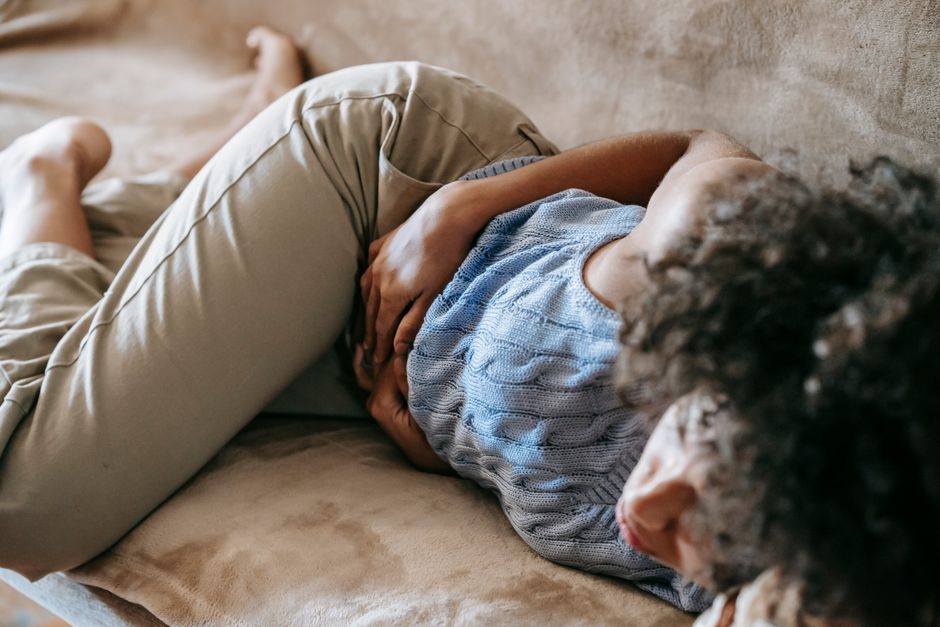
There is no proven way to prevent period cramps entirely, but the science points to a few things that can lower how often they hit and how bad they get. Regular aerobic exercise, enough sleep, not smoking, and getting ahead of pain with anti-inflammatory drugs or heat at the first sign of cramping all have real evidence behind them. What does not work is waiting until the pain peaks and hoping it passes.
Menstrual cramps — the medical term is dysmenorrhea — affect a majority of people who menstruate at some point. The cause is well understood, which is why the prevention advice is not guesswork. It comes down to controlling a specific molecule your uterus releases during your period.
What Actually Causes Period Cramps?
Period cramps come from prostaglandins. These are hormone-like compounds your uterine lining releases as it breaks down during menstruation. Higher prostaglandin levels trigger stronger, more frequent uterine muscle contractions, and those contractions temporarily reduce blood flow to the muscle. That reduced blood flow is what produces the cramping pain.
This is why the pain is not imaginary and not “just part of being a woman.” It is a measurable physiological event with a clear chemical driver. It also explains why the most effective over-the-counter treatments are drugs that block prostaglandin production, not drugs that simply dull pain signals in the brain.
There are two broad categories. Primary dysmenorrhea is cramping caused by menstruation itself, with no underlying pelvic disease. Secondary dysmenorrhea is cramping caused by a condition such as endometriosis, uterine fibroids, or adenomyosis. The prevention strategies below mostly target primary dysmenorrhea. If cramps are severe, getting worse over time, or not responding to standard treatment, that pattern can point toward a secondary cause and is worth evaluating with a clinician.
How To Not Get Period Cramps According To Science
The most reliable approach is to start treatment before the pain peaks. Prostaglandin release begins before you feel the worst of it, so the timing of what you do matters as much as what you do.
Nonsteroidal anti-inflammatory drugs, or NSAIDs, work by blocking the enzymes that make prostaglandins. Ibuprofen and naproxen are the common examples. Taken at the first sign of cramping or bleeding — rather than waiting for pain to build — they reduce both the intensity of cramps in many people. This is one of the better-supported findings in menstrual health research. NSAIDs are not appropriate for everyone; people with certain stomach, kidney, or bleeding conditions, or who are pregnant, should talk to a clinician first.
Heat is the other well-supported option. A heating patch or hot water bottle applied to the lower abdomen has been shown in studies to reduce cramp pain, and some research suggests continuous low-level heat can perform comparably to NSAIDs for mild to moderate cramps. Heat is low-risk and easy to combine with other approaches.
What does not have strong evidence: avoiding cold drinks, “balancing hormones” with supplements, or specific food combinations marketed for period pain. No clinical evidence currently confirms these work.
Does Exercise Really Reduce Period Cramps?
Yes, and the evidence is reasonably consistent. People who exercise regularly tend to report less menstrual pain than people who are sedentary. The effect is modest but real, and it shows up across multiple studies.
The mechanism is not fully settled, but the leading explanation involves improved blood flow and the release of endorphins, your body’s own pain-modulating compounds. Exercise also tends to improve sleep and lower stress, both of which can influence how pain is experienced.
Aerobic activity — walking, cycling, swimming, jogging — appears more helpful than strength training alone for this purpose, though the research is not definitive on that point. The key is consistency. A single workout the day your period starts is unlikely to prevent cramps. Regular activity across the month is what seems to matter.
If you are not currently active, you do not need an intense program. Even light regular movement is associated with lower reported cramp severity in some studies.



Do Lifestyle Factors Like Sleep and Smoking Affect Cramps?
Smoking is associated with more severe menstrual cramps. This shows up consistently in observational research. Nicotine constricts blood vessels, and since cramping pain is partly driven by reduced blood flow to the uterus, smoking plausibly makes that worse. People who smoke report higher rates of dysmenorrhea than people who do not.
Sleep matters too, though the evidence is less direct. Poor sleep is linked to higher pain sensitivity in general, and chronic short sleep appears to lower pain tolerance. Whether improving sleep specifically reduces period cramps has not been tested in large trials, but the general relationship between sleep and pain processing is well established.
Stress is in a similar category. High stress is associated with more reported menstrual pain, but it is hard to untangle cause from effect in the available studies. Managing stress is reasonable and low-risk, but it should not be presented as a proven cramp prevention method on its own.
Which Supplements Have Evidence and Which Do Not?
Most supplements marketed for period pain have weak or absent evidence. A few have some research behind them, but the quality varies and none should be treated as a substitute for proven approaches.
Magnesium has been studied for menstrual cramps, and some trials suggest it may reduce pain severity. The results are not uniform across studies, and dosing used in research varies. Magnesium can cause digestive upset and interacts with some medications, so it is worth discussing with a clinician before starting.
Vitamin B1 (thiamine) and vitamin E have both been studied with mixed results. Some trials show benefit, others do not. Omega-3 fatty acids have a plausible anti-inflammatory mechanism and some supportive research, but the evidence is not strong enough to call them proven for cramp prevention.
What to be skeptical of:
- Products claiming to “balance hormones” without specifying which hormone or how
- Herbal blends with no listed doses or no human trials
- Any supplement described as a cure rather than a possible aid
- Claims that a product works for everyone with cramps regardless of cause
If cramps are caused by a condition like endometriosis, no supplement will address the underlying disease. That requires medical evaluation.
When Should You See a Doctor About Period Cramps?
See a clinician if cramps regularly interfere with work, school, or daily activities despite using NSAIDs and heat. That level of disruption is not something to push through — it often signals that either the treatment needs adjusting or something else is going on.
Other reasons to get evaluated:
- Pain that has gotten progressively worse over months or years
- Cramping that starts earlier in the cycle or lasts longer than usual
- Pain during sex or with bowel movements during your period
- Heavy bleeding alongside severe cramps
- Cramps that do not improve with NSAIDs at all
These patterns can suggest secondary dysmenorrhea. Endometriosis, for example, affects roughly one in ten people of reproductive age, and it commonly presents with severe menstrual pain that does not respond well to standard pain relief. Diagnosing it often takes years because the symptoms overlap with ordinary cramps. That delay is a known problem, and it is one reason not to assume severe pain is normal.
Hormonal birth control — including combined pills, hormonal IUDs, and other methods — is commonly prescribed to reduce menstrual cramping by thinning the uterine lining and lowering prostaglandin production. This is well-established clinical practice, and for many people it substantially reduces cramp severity. It is a prescription decision to make with a clinician, not a self-treatment.
What the Evidence Does Not Support
A few popular claims do not hold up. Drinking warm water or avoiding cold foods is a common folk remedy with no clinical evidence behind it. “Detox” teas and cleanses have no mechanism that would affect prostaglandin production. Essential oil blends marketed for cramps have limited research, and what exists is small and not conclusive.
This does not mean these things are harmful. It means the science does not currently support them as effective, and they should not replace approaches that do have evidence.
The honest summary is that period cramps are not fully preventable for most people. But the severity and frequency can often be reduced with consistent exercise, not smoking, treating pain early with NSAIDs, and using heat. If those steps are not enough, that is a medical conversation, not a personal failing.
Frequently Asked Questions
Can you prevent period cramps completely?
No method prevents cramps entirely for everyone, since prostaglandin release is a normal part of menstruation. Consistent exercise, not smoking, early NSAID use, and heat can reduce how severe and frequent they are.
What is the fastest way to stop period cramps?
Taking an NSAID like ibuprofen at the first sign of cramping and applying continuous heat to the lower abdomen are the two best-supported fast options. Both work better started early than after pain peaks.
Does exercise actually help with period cramps?
Yes, regular aerobic exercise is associated with less menstrual pain across multiple studies. The effect is modest, and consistency across the month matters more than intensity.
Are period cramps a sign of something serious?
Usually not, but cramps that keep getting worse, do not respond to NSAIDs, or come with heavy bleeding or pain during sex can point to a condition like endometriosis. Those patterns are worth evaluating with a clinician.
