
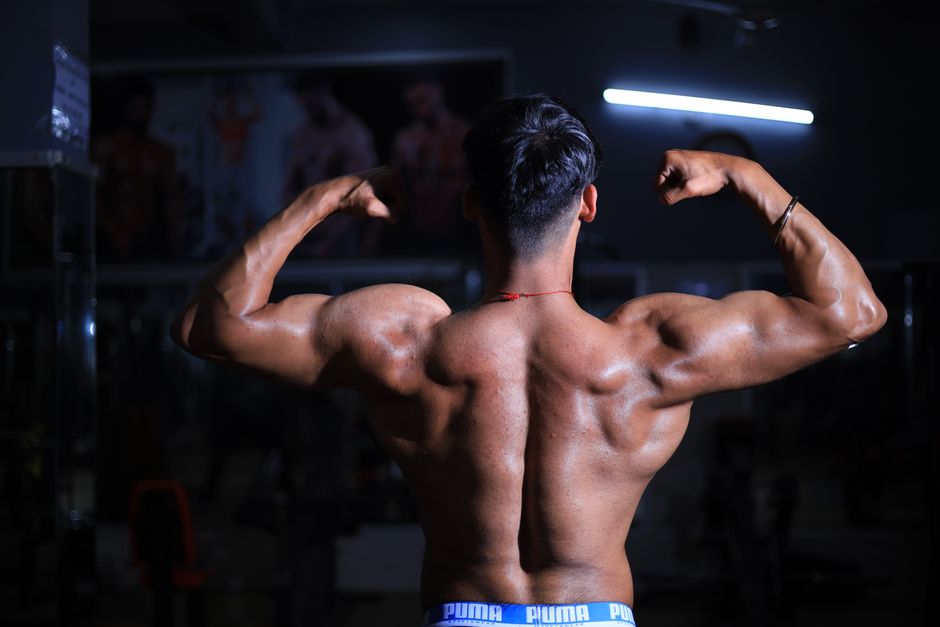
Yes, you can lose fat and gain muscle at the same time, but it is not a simple process. It requires a specific approach to training and nutrition that works against your body’s natural biology. Most people can achieve this goal, especially if they are new to strength training or are carrying excess body fat.
Is It Actually Possible to Lose Fat and Gain Muscle at Once?
The short answer is yes, but with conditions. Your body cannot easily build muscle while in a calorie deficit because building muscle requires energy. Losing fat requires burning more calories than you take in. These two goals seem to cancel each other out.
However, research consistently shows that beginners and people with higher body fat percentages can build muscle while losing fat. This process is called body recomposition. It works because your body can use stored fat as fuel to build muscle when you provide the right stimulus and enough protein.
For people who are already lean or are experienced lifters, this process is much harder. The leaner you are, the more your body resists losing fat while building muscle. Your body sees stored fat as a safety reserve and will fight to keep it.
What Is the Best Diet for Losing Fat and Gaining Muscle?
Your diet determines whether you lose fat or gain muscle. You cannot out-train a poor diet, and you cannot build muscle without enough protein.
Protein is the most important nutrient for this goal. Studies have found that higher protein intake helps preserve muscle mass during weight loss. A common guideline is 1.6 to 2.2 grams of protein per kilogram of body weight daily. For a person weighing 80 kilograms (176 pounds), that is roughly 128 to 176 grams of protein per day.
You also need a moderate calorie deficit. A deficit of about 300 to 500 calories per day is a reasonable starting point for most people. This is enough to lose fat without starving your muscles of the energy they need to grow.
Do not cut carbohydrates completely. Carbs fuel your workouts and help you train hard enough to build muscle. Focus on complex carbs like oats, rice, potatoes, and vegetables. Fats are also necessary for hormone production, so keep them moderate rather than eliminating them.
What Kind of Training Builds Muscle While Burning Fat?
Strength training is the non-negotiable part of this process. You must give your muscles a reason to grow. Resistance training tells your body to keep muscle tissue even when you are eating fewer calories.
Compound lifts are the most efficient choice. Exercises like squats, deadlifts, bench presses, rows, and overhead presses work multiple muscle groups at once. They burn more calories and stimulate more muscle growth than isolation exercises alone.
Aim for two to four strength training sessions per week. Each session should include exercises that challenge your muscles. The last few reps of each set should feel hard. This effort signals your body to build muscle.
Cardio can help create the calorie deficit needed for fat loss, but it should not replace strength training. Walking is underrated for fat loss and does not interfere with muscle recovery. High-intensity interval training can also help but may slow recovery if done too often. Start with two to three cardio sessions per week and adjust based on your energy levels.

How Much Protein Do You Really Need?
Protein is the building block of muscle. Without enough of it, your body cannot repair the muscle fibers you break down during training.
Most research suggests that eating protein spread across the day works better than eating it all in one meal. Aim for 20 to 40 grams of protein per meal. This gives your body a steady supply of amino acids for muscle repair.
Good protein sources include chicken, fish, eggs, Greek yogurt, cottage cheese, beans, lentils, and tofu. Protein supplements like whey or plant-based powders are convenient but not required. Whole foods should be your primary source.
If you are not sure whether you are eating enough protein, track your intake for a few days. Use a food scale and an app. Most people overestimate how much protein they eat. Seeing the actual numbers helps you adjust.
How Fast Will You See Results?
Results take time, and the timeline depends on your starting point.
A beginner lifting consistently and eating enough protein can see noticeable changes in eight to twelve weeks. This might include losing a clothing size, gaining strength, or seeing more muscle definition. The scale might not move much because muscle weighs more than fat by volume.
Do not rely on the scale alone. Body composition changes are not always reflected in body weight. Take progress photos, measure your waist and hips, and track how your clothes fit. These are better indicators of body recomposition than a number on a scale.
A realistic rate of fat loss is about 0.5 to 1 percent of your body weight per week. Faster loss increases the risk of losing muscle along with fat. Slower is better if your priority is preserving or building muscle.
What Mistakes Stop People From Reaching This Goal?
Several common mistakes can derail your progress. Knowing them helps you avoid them.
- Eating too little. Severe calorie restriction causes muscle loss and slows your metabolism. Your body cannot build muscle without energy.
- Not eating enough protein. This is the most common mistake. You can train hard and still lose muscle if your protein intake is too low.
- Doing only cardio. Cardio burns calories but does not stimulate muscle growth. Strength training is essential.
- Not training hard enough. Light weights with high reps will not build muscle. You need to challenge your muscles with progressive overload.
- Expecting overnight results. Body recomposition is slow. Most people quit before seeing meaningful changes.
Sleep is also a factor that many people ignore. Your body repairs muscle and regulates hunger hormones during sleep. Most adults need seven to nine hours per night. Poor sleep makes fat loss harder and muscle gain slower.
Should You Eat Before or After Workouts?
Meal timing matters less than total daily intake. What you eat across the whole day is more important than when you eat it.
That said, having protein before or after training can help. A meal with protein and carbs one to two hours before a workout gives you energy and amino acids. A post-workout meal within a few hours supports recovery.
You do not need a protein shake immediately after training. The idea of an “anabolic window” is overstated. As long as you eat enough protein within a few hours after your workout, you are fine. Focus on consistency rather than perfect timing.
Can You Do This Without Going to a Gym?
Yes, but it is harder. Gym equipment gives you the ability to progressively overload your muscles with heavier weights over time.
At home, bodyweight exercises can build muscle for a while, especially for beginners. Push-ups, pull-ups, squats, lunges, and glute bridges are effective. Resistance bands and adjustable dumbbells add variety and allow you to increase difficulty.
The key is progression. You must make exercises harder over time. This could mean more reps, more sets, slower tempos, or added resistance. If you can do 20 push-ups easily, you are not building much muscle. Add a weighted vest or switch to a harder variation.
How Do Hormones Affect Fat Loss and Muscle Gain?
Hormones play a major role in both processes. Insulin, cortisol, testosterone, and growth hormone all influence how your body uses energy.
Insulin helps shuttle nutrients into cells. Eating protein and carbs after training can improve insulin sensitivity, which helps muscle building. Cortisol is a stress hormone that breaks down muscle when chronically elevated. Chronic stress and poor sleep raise cortisol levels, which works against your goals.
Testosterone and growth hormone support muscle building naturally. Strength training stimulates their release. This is another reason why heavy compound lifts are effective. There is no safe way to artificially boost these hormones beyond normal levels, and supplements that claim to do so are not supported by evidence.
For women, hormonal changes during the menstrual cycle can affect training performance and appetite. This is normal. Adjust your expectations during certain phases rather than fighting your body’s natural rhythms.
What Role Do Supplements Play?
Supplements are not required for body recomposition. Food should always come first.
The only supplement with strong evidence for muscle building is creatine. Research consistently shows that creatine monohydrate helps increase strength and muscle mass when combined with resistance training. It is one of the most studied supplements in sports nutrition.
Protein powder can help you hit your daily protein target, but it is not magic. It is just a convenient food source. Fat burners and testosterone boosters are not supported by evidence and can be harmful. Save your money and focus on training and nutrition.
Frequently Asked Questions
Can I lose fat and gain muscle at the same time?
Yes, especially if you are new to strength training or have excess body fat. It requires a moderate calorie deficit, high protein intake, and consistent resistance training.
How long does body recomposition take?
Most people see noticeable changes in eight to twelve weeks of consistent effort. Faster changes are possible for beginners, while experienced lifters may see slower progress.
How much protein do I need to gain muscle while losing fat?
A common guideline is 1.6 to 2.2 grams of protein per kilogram of body weight daily. Spread this across your meals rather than eating it all at once.
Do I need to do cardio to lose belly fat?
No. You cannot target belly fat specifically. Strength training combined with a calorie deficit will reduce overall body fat, including belly fat, over time.
