
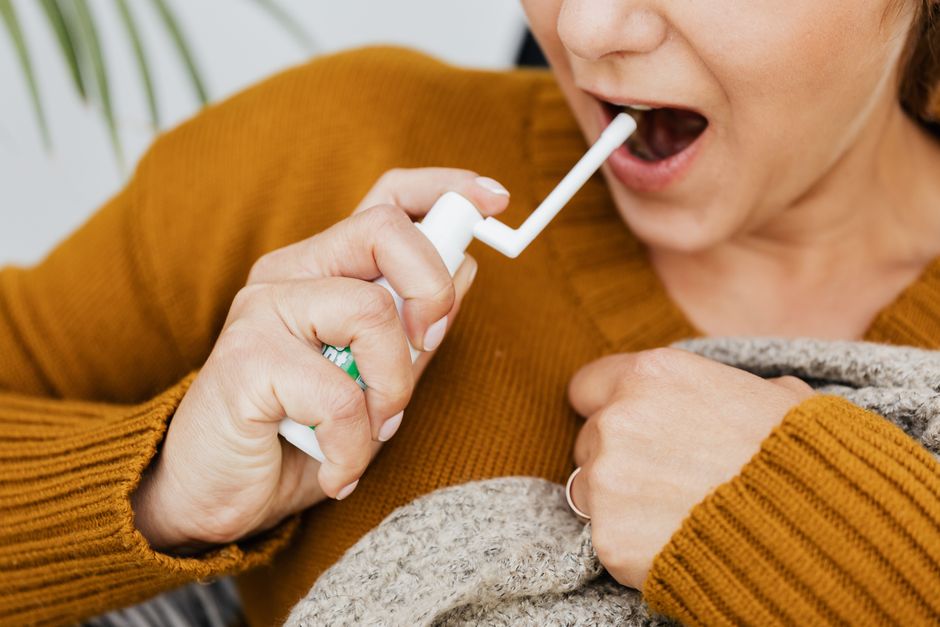
A tickle in the throat is that irritating sensation that makes you want to cough constantly. It usually means the sensitive lining of your airway is irritated, often by dryness, post-nasal drip, or a mild viral infection. To get rid of it, you need to soothe the tissue and address the underlying cause, starting with hydration, humidity, and simple home remedies like warm salt water gargles or honey.
What Causes a Tickle in the Throat?
Several common conditions can trigger that tickling feeling. The cause matters because the right remedy depends on what is irritating your throat in the first place.
Post-nasal drip is one of the most frequent culprits. Mucus from your nose drips down the back of your throat, stimulating the cough reflex. This often happens with allergies, colds, or sinus issues.
Dry air is another major trigger. When the air is dry, especially in winter or in air-conditioned rooms, the moisture in your throat evaporates. The throat lining becomes dry and raw, which feels like a tickle.
Viral infections, like the common cold or early flu, directly inflame the throat tissue. This inflammation creates that scratchy, tickly sensation before a full sore throat develops.
Less common causes include acid reflux, where stomach acid washes up into the throat, and irritants like smoke, dust, or strong chemical fumes. Even talking for long periods or shouting can dry out and strain the throat muscles.
How To Get Rid Of Tickle In Throat Causes Remedies: Quick Relief Options
Start with the simplest fixes first. They work for most people because they address the basic problem of irritation and dryness.
Drink warm fluids. Warm water, herbal tea, or broth helps coat the throat and adds moisture. Warm liquids also increase saliva production, which naturally soothes irritated tissue.
Use honey. Research consistently shows honey is effective for soothing coughs and throat irritation. A spoonful of honey coats the throat and has mild antibacterial properties. Do not give honey to children under one year old due to the risk of infant botulism.
Gargle with warm salt water. Mix about half a teaspoon of salt into a glass of warm water. Gargle for 30 seconds and spit it out. The salt draws fluid out of swollen tissues and helps clear mucus. This is safe to repeat several times a day.
Add moisture to the air. Use a cool-mist humidifier in your room, especially while sleeping. If you do not have one, take a hot shower and breathe in the steam. The moisture soothes the dry throat lining directly.
Suck on lozenges or hard candy. Sucking increases saliva flow, which keeps the throat moist. Look for lozenges containing pectin or glycerin, which coat the throat. Avoid lozenges with strong flavors or menthol if they irritate you further.
When the Cause Is Post-Nasal Drip
If your tickle comes with a runny nose, congestion, or allergy symptoms, post-nasal drip is likely the problem. Treating the nose often relieves the throat.
Saline nasal rinse is a safe first step. A neti pot or squeeze bottle with sterile saline solution flushes out mucus and allergens from your nasal passages. Always use distilled, sterile, or previously boiled water for nasal rinses to prevent infection.
Antihistamines can help if allergies are driving the drip. They dry up nasal secretions. Some antihistamines cause drowsiness, so choose a non-drowsy version for daytime use.
Decongestants reduce nasal swelling and mucus production. They work well for colds but are not the right choice for everyone, especially people with high blood pressure. Check with your pharmacist or doctor if you have health conditions.
Sleeping with your head slightly elevated can also help. Gravity keeps mucus from pooling in the back of your throat overnight.





Home Remedies That Work and Ones That Do Not
Some popular remedies have real evidence behind them. Others are mostly tradition without much proof.
What works:
- Honey — well studied for cough relief in both adults and children over one year old
- Warm salt water gargles — reduces swelling and clears irritants
- Steam inhalation — adds moisture directly to the airway
- Warm fluids — soothe and hydrate the throat tissue
What has little evidence:
- Apple cider vinegar drinks — no clinical studies confirm this helps throat irritation, and the acid can damage tooth enamel
- Vitamin C megadoses — does not shorten colds or relieve throat tickles in most people
- Zinc lozenges — evidence is mixed on whether they shorten cold duration, and they can cause nausea
If you want to try apple cider vinegar or zinc, they are unlikely to cause serious harm in healthy adults in normal amounts. But do not expect reliable relief based on current evidence.
When a Tickle in the Throat Means Something Else
Sometimes the tickle is not from a cold or dryness. Recognizing these situations matters because the treatment is different.
Acid reflux can cause a throat tickle, especially at night or after meals. If you also notice heartburn, a sour taste in your mouth, or a hoarse voice in the morning, reflux may be the cause. Eating smaller meals, avoiding food within three hours of bedtime, and elevating your head while sleeping can help.
Allergies can cause a persistent tickle that lasts for weeks rather than days. If your symptoms appear in certain seasons or around specific triggers like dust or pets, allergy treatment may be needed. Over-the-counter antihistamines or allergy nasal sprays often help.
Medication side effects can dry out the throat. Some blood pressure medications, antihistamines, and antidepressants reduce saliva production. If you started a new medication recently and developed a dry throat tickle, mention it to your doctor.
Certain medical conditions cause chronic throat clearing or coughing. Asthma, especially cough-variant asthma, can present mainly as a persistent cough or tickle. Vocal cord dysfunction and chronic sinusitis are other possibilities. If your tickle lasts more than three weeks, see a healthcare provider for evaluation.
How Long Does a Tickle in the Throat Last?
For a common cold, the tickle typically lasts a few days. It usually appears on day one or two, peaks with other cold symptoms, and fades within a week.
If the cause is post-nasal drip from allergies, the tickle can last as long as the allergen exposure continues. That could be weeks during pollen season.
Dry-air throat tickles usually resolve within a day or two once you add moisture back to your environment. If you travel to a dry climate or turn on winter heating, expect the tickle to return until you address the dryness.
See a doctor if the tickle lasts more than three weeks, comes with difficulty swallowing, breathing problems, a fever over 101°F, or coughing up blood. These symptoms need proper medical evaluation, not home remedies.
Preventing a Tickle in the Throat
Prevention is mostly about protecting the throat lining and managing known triggers.
Stay hydrated. Drink water throughout the day. Your throat lining needs moisture to stay healthy. If your urine is dark yellow, you are likely not drinking enough.
Humidify your environment. Keep indoor humidity around 30-50 percent. In winter, run a humidifier in your bedroom. In summer, be aware that air conditioning dries the air.
Protect your voice. If you speak for long periods, take breaks and drink water. Avoid shouting or whispering, both of which strain the vocal cords.
Avoid irritants. Smoke, including secondhand smoke, is a major throat irritant. Strong cleaning chemicals, paint fumes, and dusty environments can also trigger a tickle. Use masks or ventilation when exposed.
Manage allergies. If you know your triggers, take allergy medication before exposure. Keep windows closed during high pollen days and shower after outdoor activities to remove pollen from your skin and hair.
Frequently Asked Questions
Does drinking cold water make a throat tickle worse?
Cold water can temporarily worsen the tickle for some people because it constricts blood vessels and may increase the cough reflex. Room-temperature or warm fluids are generally more soothing.
Can a throat tickle be the first sign of COVID-19?
Yes, a tickle or scratchy throat can be an early symptom of COVID-19, though it is more commonly associated with other cold viruses. If you develop a fever, loss of taste or smell, or cough, consider testing.
Is it better to cough or suppress the cough from a throat tickle?
Suppressing a dry, tickling cough is usually better because coughing further irritates the throat. Sucking on a lozenge or drinking warm fluids can calm the urge to cough.
When should I see a doctor for a tickle in my throat?
See a doctor if the tickle lasts more than three weeks, or if you have difficulty swallowing, shortness of breath, high fever, or cough up blood. These symptoms require proper evaluation.
